Ivydene Gardens Box to Crowberry Wild Flower Families Gallery: |
|||
Click on Underlined Text in:- Common Name to view that Plant Description Page |
|||
Cornel Family:- Cornel Family plant table with its Common Name - Botanical Name. Flowering Months Range. Habitat with link to that Wild Flower Gallery:- |
|||
Common Name |
Botanical Name |
Flowering Months |
Habitat |
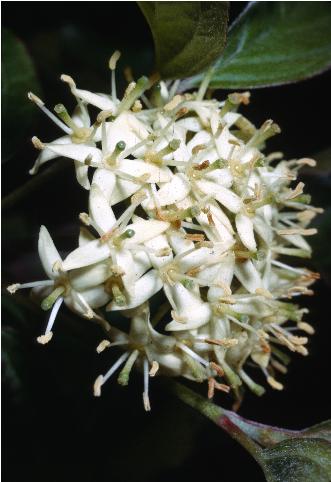
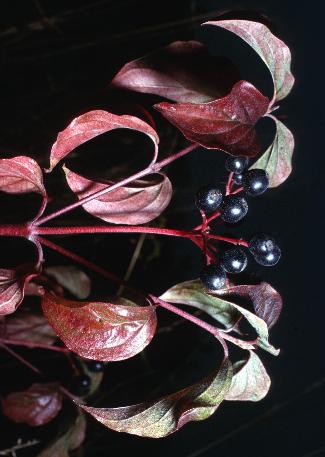
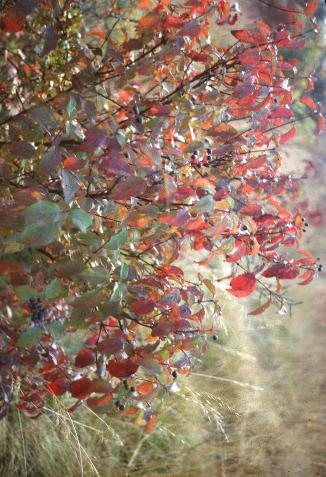
Dogwood |
(Cornus sanguinea) |
A deciduous shrub, locally frequent in woodland, scrub, hedgerows and shelter-belts on limestone soils or base-rich clays, and sometimes dominant in hedges and scrub on chalk. It is frequently planted in landscaping schemes and is introduced sporadically, or occurs as an escape, outside its native range. Lowland. |
|
|
|
|
|
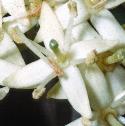
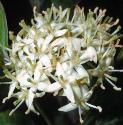
Flower from Strood in Kent in June |
Flowers from Strood in Kent in June |
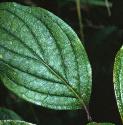
Foliage |
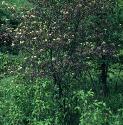
Form in July |
|
|||
Dogwood in Strood, Kent in June 1965 slide by Foord |
|||
|
|||
Dogwood fruit in Kemsing in November 1964 slide by Foord |
|||
|
|||
Dogwood foliage in Kemsing in November 1964 slide by Foord |
|||
Dwarf Cornel |
Chamae-periclymenum suecicum (Cornus suecica) |
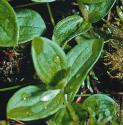
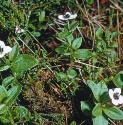
A low-growing rhizomatous perennial herb of wet, base-poor peats at moderate to high altitudes, including areas of late snow-lie. It is almost entirely confined to montane dwarf shrub heath communities, but also extends into acid montane grassland. From 135 m in N.W. Yorkshire to 915 m in Atholl (E. Perth) |
|
|
|
|
|
Flower from Inchnadamph in Sutherland on 23 June |
Flowers |
Foliage from Inchnadamph in Sutherland on 23 June |
Form from Inchnadamph in Sutherland on 23 June |
|
|||
The Bumblebee Pages website is divided into five major areas: • Bumblebees which deals solely with bumblebees, and was the original part of the site. • Invertebrates, which deals with all the other invertebrates. • Homework answers, where you'll find hints and tips to common questions set as biology, ecology, botany, zoology homework, there are also definitions of common terms in biology. • Window box gardens, this was started when we were exiled to central Paris, and 2 north-facing window boxes were all the garden available, however it was amazing the wildlife those window boxes attracted. You'll find plant lists, hints and tips, etc. • Torphins, this is the village in north-east Scotland where we are now located. In this part of the site you can find photographs of invertebrates found locally, where to see them and when, also links to pages with more detailed information.
FORCED INDOOR BULBS in Window Box Gardens. Once these have flowered don't throw them out. Cut off the heads (unless you want seed) then put them somewhere that the leaves can get the sun. This will feed the bulb for the next year. Once the leaves have died you can plant the bulbs outside and they will flower at the normal (unforced) time next year. The narcissus Tete-a-tete is particularly good, and provides early colour and a delicate fragrance too. Below I have listed groups of plants. I have tried to include at least four plants in each list as you may not be able to find all of them, although, unless you have a very large windowbox, I would recommend that you have just three in each box. |
|||
Theme |
Plants |
Comments |
|
Thyme |
Thymus praecox, wild thyme Thymus pulegioides Thymus leucotrichus Thymus citriodorus |
Thymes make a very fragrant, easy to care for windowbox, and an excellent choice for windy sites. The flower colour will be pinky/purple, and you can eat the leaves if your air is not too polluted. Try to get one variegated thyme to add a little colour when there are no flowers. |
|
Herb |
Sage, mint, chives, thyme, rosemary |
Get the plants from the herb section of the supermarket, so you can eat the leaves. Do not include basil as it need greater fertility than the others. Pot the rosemary up separately if it grows too large. |
|
Mints |
Mentha longifolia, horse mint Mentha spicata, spear mint Mentha pulgium, pennyroyal Mentha piperita, peppermint Mentha suaveolens, apple mint |
Mints are fairly fast growers, so you could start this box with seed. They are thugs, though, and will very soon be fighting for space. So you will either have to thin and cut back or else you will end up with one species - the strongest. The very best mint tea I ever had was in Marrakesh. A glass full of fresh mint was placed in front of me, and boiling water was poured into it. Then I was given a cube of sugar to hold between my teeth while I sipped the tea. Plant this box and you can have mint tea for months. |
|
Heather |
Too many to list
See some in |
For year-round colour try to plant varieties that flower at different times of year. Heather requires acid soils, so fertilise with an ericaceous fertilser, and plant in ericaceous compost. Cut back after flowering and remove the cuttings. It is best to buy plants as heather is slow growing. |
|
Blue |
Ajuga reptans, bugle Endymion non-scriptus, bluebell Myosotis spp., forget-me-not Pentaglottis sempervirens, alkanet |
This will give you flowers from March till July. The bluebells should be bought as bulbs, as seed will take a few years to flower. The others can be started from seed. |
|
Yellow |
Anthyllis vulneraria, kidney vetch Geum urbanum, wood avens Lathryus pratensis, meadow vetchling Linaria vulgaris, toadflax Lotus corniculatus, birdsfoot trefoil Primula vulgaris, primrose Ranunculus acris, meadow buttercup Ranunculus ficaria, lesser celandine |
These will give you flowers from May to October, and if you include the primrose, from February. Try to include a vetch as they can climb or trail so occupy the space that other plants can't. All can be grown from seed. |
|
White |
Trifolium repens, white clover Bellis perennis, daisy Digitalis purpurea alba, white foxglove Alyssum maritimum Redsea odorata, mignonette |
All can be grown from seed. The clover and daisy will have to be cut back as they will take over. The clover roots add nitrogen to the soil. The mignonette flower doesn't look very special, but the fragrance is wonderful, and the alyssum smells of honey. |
|
Pink |
Lychnis flos-cucli, ragged robin Scabiosa columbaria, small scabious Symphytum officinale, comfrey |
The comfrey will try to take over. Its leaves make an excellent fertiliser, and are very good on the compost heap, though windowbox gardeners rarely have one. |
|
Fragrant |
Lonicera spp., honeysuckle Alyssum maritimum Redsea odorata, mignonette Lathyrus odoratus, sweet pea |
The sweet pea will need twine or something to climb up, so is suitable if you have sliding windows or window that open inwards. You will be rewarded by a fragrant curtain every time you open your window. |
|
Spring bulbs and late wildflowers |
Galanthus nivalis, snowdrop Narcissus pseudonarcissus, narcissius Crocus purpureus, crocus Cyclamen spp. |
The idea of this box is to maximize your space. The bulbs (cyclamen has a corm) will flower and do their stuff early in the year. After flowering cut the heads off as you don't want them making seed, but leave the leaves as they fatten up the bulbs to store energy for next year. The foliage of the wildflowers will hide the bulb leaves to some extent. Then the wildflowers take over and flower till autumn |
|
Aster spp., Michaelmas daisy Linaria vulgaris, toadflax Lonicera spp., honeysuckle Succisa pratensis, devil's bit scabious Mentha pulgium, pennyroyal |
|||
|
|
||
Bee Garden in |
|
|
|
|
|||

UKButterflies Larval Foodplants website page lists the larval foodplants used by British butterflies. The name of each foodplant links to a Google search. An indication of whether the foodplant is a primary or secondary food source is also given. Please note that the Butterfly you see for only a short time has grown up on plants as an egg, caterpillar and chrysalis for up to 11 months, before becoming a butterfly. If the plants that they live on during that time are removed, or sprayed with herbicide, then you will not see the butterfly. |
Sewage Pollution in the UK rivers and its surrounding Seas:- This is being ignored by the UK Government, Local UK Government and Commerce, so again they will do nothing about this, and continue to ignore the death of the wildlife, marine life, the dairy, farming and fishing industries, together with the onland and ocean producers of oxygen during 2024. Why not visit the UK and add your excrement to the increase of 102% of raw sewage spills into rivers and the seas in 2023 from 2022, while 240,000 new homes will be built each year without the future Labour or Conservative government stopping their excrement being offloaded into the sea to affect all the other countries surrounding us. If 92% of the seagrass has been smothered that means nowhere round the UK is either safe to swim in or for its fish and other marine life. The same could be said about the farmed salmon in the seas round Scotland and any fish caught in the rivers of the UK. Ocean Pollution as reported by the Marine Conservation Society Marine pollution is diverse, from tiny fibres which shed from clothes, to chemicals washed down the sink. Pollutants, including plastic, chemicals and bacteria travel from our towns and cities to our seas, as well as from activities directly in our ocean. If we don’t tackle pollution at source, these highly persistent chemicals and plastics will continue to increase in our ocean causing untold damage. That's where we come in.
------
Marine Conservation Society - Seagrass: The ocean superhero at risk from sewage:-Seagrass meadows are a key player in helping to combat climate change – but untreated sewage pollution in our seas is threatening their future. Seagrass meadows are the Swiss army knife of marine habitats. They create hotspots for biodiversity and provide vital nursery habitats for various fish species. Long seagrass blades buffer wave energy, protecting our shores against coastal erosion and storms. Their canopies slow the flow of water, drawing down suspended matter like pollutants and excess nutrients from the water column and burying it in the sediment below. This also makes them one of the oldest and most effective carbon storage technologies, accounting for an estimated 10-18% of ocean carbon storage while occupying only 0.1% of the seafloor. Unlike terrestrial habitats like forests, seagrass doesn't release the carbon it has captured back into the atmosphere when it decomposes. If undisturbed, seagrass can store carbon for thousands of years. Seagrasses do a lot of heavy lifting in mitigating the stress that we inflict on the ocean. As ecosystem engineers, they’re skilled at adapting their environment to suit their needs. However, the flow of untreated sewage discharges into UK seas is posing a problem for seagrass. Untreated sewage discharges contain excess nutrients and pathogens, which encourage faster-growing macroalgae which reduce light availability and epiphytic algae which smother the seagrass leaves. Research by Cardiff University and Swansea University indicates that insufficient monitoring and management of sewage and wastewater treatment threatens seagrass meadows around the UK. Each of the 11 sites sampled in the study, ten of which were within marine protected areas, contained seagrass that was contaminated by nutrients “of a human and livestock waste origin”. The findings show that sewage pollution is a stressor to seagrass – one whose effects are far-reaching and continues to have an impact far from its source. The only effective way to protect seagrass and the whole marine environment from this stress is to tackle the issue at source. We have already lost 92% of seagrass meadows in the UK, and their survival and recovery is further undermined by poor water quality. However, we can reverse this trend. Removing stressors, such as untreated sewage pollution, is the most important factor in allowing seagrass to recover and we have seen seagrass successfully recolonise areas which were previously wiped out by sewage outfall. Our seagrass meadows are an essential ally against global warming, a biodiversity crisis, and pervasive pollution. These superhero habitats need our help and a first major step towards this is to stop releasing untreated sewage into our seas.
|
|||||||
Plants used by the Butterflies follow the Plants used by the Egg, Caterpillar and Chrysalis as stated in |
||||||||
Plant Name |
Butterfly Name |
Egg/ Caterpillar/ Chrysalis/ Butterfly |
Plant Usage |
Plant Usage Months |
||||
Egg, |
1 egg under leaf. |
10 days in May-June |
||||||
Egg, |
Eggs laid in batches encircling the branch of the food plant. |
Hatches after 18-22 days in April. |
||||||
Egg, |
Groups of eggs on upper side of leaf. |
- |
||||||
Egg, |
1 egg at base of plant. |
Late August-April |
||||||
Egg, |
Groups of eggs on upper side of leaf. |
- |
||||||
Egg, |
1 egg laid on underside of leaflets or bracts. |
7 days in June. |
||||||
Egg, |
1 egg laid on underside of leaflets or bracts. |
7 days in June. |
||||||
Egg, |
1 egg laid under the leaf or on top of the flower. |
7 days in August. |
||||||
Egg, |
1 egg on underside of a flower bud on its stalk. |
7 days. |
||||||
Egg, |
1 egg on underside of a flower bud on its stalk. |
7 days. |
||||||
Egg, |
1 egg under leaf. |
10 days in May-June. |
||||||
Egg, |
1 egg on leaf. |
2 weeks |
||||||
Cabbages - Large White eats all cruciferous plants, such as cabbages, mustard, turnips, radishes, cresses, nasturtiums, wild mignonette and dyer's weed |
Egg,
|
40-100 eggs on both surfaces of leaf. |
May-June and August-Early September. 4.5-17 days. |
|||||
Egg, |
1 egg on underside of leaf. |
May-June and August. 7 days. |
||||||
Cabbages:- |
Egg, |
1 egg on underside of leaf. |
July or August; hatches in 3 days. |
|||||
Cabbages:- |
Egg, |
1 egg laid in the tight buds and flowers. |
May-June 7 days. |
|||||
Cherry with |
Egg, |
Eggs laid in batches encircling the branch of the food plant. |
Hatches after 18-22 days in April. |
|||||
Egg, |
Groups of eggs on upper side of leaf. |
- |
||||||
Egg, |
1 egg on leaf. |
10 days in May-June. |
||||||
Egg, |
1 egg on leaf. |
6 days in May-June. |
||||||
Egg, |
1 egg under leaf. |
|
||||||
|
(Common CowWheat, Field CowWheat) |
Egg, |
Eggs laid in batches on the under side of the leaves. |
Hatches after 16 days in June. |
|||||
Currants |
Egg, |
Groups of eggs on upper side of leaf. |
|
|||||
Egg, |
Eggs laid in batches on the under side of the leaves. |
Hatches after 20 days in July. |
||||||
Dog Violet with |
Egg, |
1 egg on oak or pine tree trunk |
15 days in July. |
|||||
Dog Violet with |
Egg, |
1 egg on leaf or stem. |
Hatches after 15 days in May-June. |
|||||
Dog Violet with |
Egg, |
1 egg on leaf or stem. |
Hatches after 10 days in May-June. |
|||||
Egg, |
1 egg on underside of a flower bud on its stalk. |
7 days. |
||||||
Egg, |
Eggs laid in batches encircling the branch of the food plant. |
Hatches after 18-22 days in April. |
||||||
False Brome is a grass (Wood Brome, Wood False-brome and Slender False-brome) |
Egg, |
1 egg under leaf. |
... |
|||||
Egg, |
Eggs laid in batches on the under side of the leaves. |
Hatches after 20 days in July. |
||||||
Egg, |
1 egg laid on underside of leaflets or bracts. |
7 days in June. |
||||||
Egg, |
1 egg on leaf or stem. |
Hatches after 10 days in May-June. |
||||||
Egg, |
1 egg on underside of a flower bud on its stalk. |
7 days. |
||||||
Egg, |
1 egg laid under the leaf or on top of the flower. |
7 days in August. |
||||||
Egg, |
1 egg on leaf. 5 or 6 eggs may be deposited by separate females on one leaf. |
14 days in July-August. |
||||||
Egg, |
1 egg on underside of a flower bud on its stalk. |
7 days. |
||||||
Egg, |
1 egg laid in the tight buds and flowers. |
May-June 7 days. |
||||||
Egg, |
Eggs laid in batches on the under side of the leaves. |
Hatches after 20 days in July. |
||||||
Egg, |
Groups of eggs on upper side of leaf. |
|
||||||
Egg, |
1 egg under leaf. |
1 then |
||||||
Egg, |
1 egg on underside of a flower bud on its stalk. |
7 days. |
||||||
Egg, |
1 egg at base of plant. |
Late August-April. |
||||||
Egg, |
1 egg on leaf. |
10 days in May-June. |
||||||
Egg, |
1 egg on leaf. |
2 weeks |
||||||
Egg, |
1 egg on leaf. |
6 days in May-June. |
||||||
Egg, |
1 egg on underside of leaf. |
May-June and August. 7 days. |
||||||
Egg, |
1 egg on leaf. 5 or 6 eggs may be deposited by separate females on one leaf. |
14 days in July-August. |
||||||
Narrow-leaved Plantain (Ribwort Plantain) |
Egg, |
Eggs laid in batches on the under side of the leaves. |
Hatches after 16 days in June. |
|||||
Narrow-leaved Plantain (Ribwort Plantain) |
Egg, |
Eggs laid in batches on the under side of the leaves. |
Hatches after 16 days in June. |
|||||
Nasturtium from Gardens |
Egg, |
1 egg on underside of leaf. |
May-June and August. 7 days. |
|||||
Egg, |
1 egg on tree trunk |
15 days in July. |
||||||
Mountain pansy, |
Egg, Chrysalis |
1 egg laid under the leaf or on top of the flower. |
7 days in August. 3 weeks in September |
|||||
Egg, |
1 egg on tree trunk. |
15 days in July. |
||||||
Egg, |
Eggs laid in batches on the under side of the leaves. |
Hatches after 20 days in July. |
||||||
Egg, |
Eggs laid in batches encircling the branch of the food plant. |
Hatches after 18-22 days in April. |
||||||
Egg, |
Groups of eggs on upper side of leaf. |
- |
||||||
Egg, |
1 egg under leaf. |
|
||||||
Egg, |
1 egg laid under the leaf or on top of the flower. |
7 days in August. |
||||||
Egg, |
Eggs laid in batches encircling the branch of the food plant. |
Hatches after 18-22 days in April. |
||||||
Egg, |
Eggs laid in batches on the under side of the leaves. |
Hatches after 16 days in June. |
||||||
Egg, |
1 egg on underside of a flower bud on its stalk. |
7 days. |
||||||
Egg, |
1 egg on underside of a flower bud on its stalk. |
7 days. |
||||||
Egg, |
Groups of eggs on upper side of leaf. |
|
||||||
Egg, |
1 egg under leaf. |
|
||||||
Egg, |
1 egg on leaf. |
2 weeks |
||||||
Trefoils 1, 2, 3 |
Egg, |
1 egg on leaf. |
6 days in May-June. |
|||||
Egg, |
Groups of eggs on upper side of leaf. |
- |
||||||
Egg, |
1 egg laid on underside of leaflets or bracts. |
7 days in June. |
||||||
Violets:- |
Egg, |
1 egg on underside of leaf or on stalk. |
July-August for 17 days. |
|||||
Violets:- |
Egg, |
1 egg on stem or stalk near plant base. |
July to hatch in 8 months in March. |
|||||
Egg, |
1 egg on leaf. |
2 weeks. |
||||||
Egg, |
Eggs laid in batches encircling the branch of the food plant. |
Hatches after 18-22 days in April. |
||||||
Egg, |
1 egg on leaf. 5 or 6 eggs may be deposited by separate females on one leaf. |
14 days in July-August. |
||||||
Willow |
Egg, |
Eggs laid in batches encircling the branch of the food plant. |
Hatches after 18-22 days in April. |
|||||
Egg, |
Eggs laid in batches on the under side of the leaves. |
Hatches after 20 days in July. |
||||||
Plants used by the Butterflies |
||||||||
Plant Name |
Butterfly Name |
Egg/ Caterpillar/ Chrysalis/ Butterfly |
Plant Usage |
Plant Usage Months |
||||
Asters |
Butterfly |
Eats nectar. |
|
|||||
Runner and Broad Beans in fields and gardens |
Butterfly |
Eats nectar |
April-June or July-September. |
|||||
Aubretia in gardens |
Butterfly |
Eats nectar |
May-June or August till killed by frost and damp in September-November |
|||||
Butterfly |
Eats sap exuding from trunk. |
April-Mid June and Mid July-Early September for second generation. |
||||||
Butterfly |
Eats nectar. |
20 days. |
||||||
Butterfly |
Eats nectar |
May-June |
||||||
Holly Blue |
Butterfly |
Eats nectar |
April-Mid June and Mid July-Early September for second generation. |
|||||
Butterfly |
Eats nectar. |
July-October. |
||||||
Buddleias |
Butterfly |
Eats nectar. |
July-October. |
|||||
Wood White |
Butterfly |
Eats nectar |
May-June. |
|||||
Cabbage and cabbages in fields |
Butterfly |
Eats nectar |
April-June or July-September. |
|||||
Butterfly |
Eats nectar |
July-October |
||||||
Adonis Blue |
Butterfly |
Eats nectar. |
1 Month during Mid-May to Mid-June or during August-September |
|||||
Pale Clouded Yellow |
Butterfly |
Eats nectar |
May-June or August till killed by frost and damp in September-November |
|||||
Cow-wheat |
Butterfly |
Eats nectar |
June-July |
|||||
Butterfly |
Eats nectar |
May-June |
||||||
Butterfly |
Eats nectar |
April-Mid June and Mid July-Early September for second generation. |
||||||
Butterfly |
Eats nectar. |
3 weeks between May and September |
||||||
Germander Speedwell (Veronica chamaedrys - Birdseye Speedwell) |
Butterfly |
Eats nectar |
June-July |
|||||
Butterfly |
Eats nectar. |
July-October. |
||||||
Butterfly |
Eats nectar |
30 days in May-June. |
||||||
Butterfly |
Eats nectar |
May-September |
||||||
Butterfly |
Eats nectar. |
May-June for 18 days. |
||||||
Butterfly |
Eats nectar. |
July-October |
||||||
Butterfly |
Eats nectar. |
1 Month. |
||||||
Butterfly |
Eats nectar. |
July-October. |
||||||
Painted Lady |
Butterfly |
Eats nectar |
July-October. |
|||||
Marigolds in gardens |
Butterfly |
Eats nectar |
May-June or August till killed by frost and damp in September-November |
|||||
Butterfly |
Eats nectar. |
1 Month during Mid-May to Mid-June or during August-September. |
||||||
Michaelmas Daisies |
Butterfly |
Eats nectar. |
July-October |
|||||
Butterfly |
Eats nectar |
April-June or July-September. |
||||||
Narrow-leaved Plantain (Ribwort Plantain) |
Butterfly |
Eats nectar |
June-July |
|||||
Nasturtiums in gardens |
Butterfly |
Eats nectar |
April-June or July-September |
|||||
Butterfly |
Eats sap exuding from trunk. |
April-Mid June and Mid July-Early September for second generation. |
||||||
Butterfly |
Eats nectar |
June. |
||||||
Butterfly |
Eats nectar |
May-June. |
||||||
Butterfly |
Eats nectar |
July-October. |
||||||
Butterfly |
Eats nectar |
July-May |
||||||
Butterfly |
Eats nectar |
7 weeks in July-August. |
||||||
Comma |
Butterfly |
Eats nectar. |
July-October. |
|||||
Butterfly |
Eats nectar. |
3 weeks between May and September |
||||||
Trefoils 1, 2, 3 |
Butterfly |
Eats nectar. |
1 Month during Mid-May to Mid-June or during August-September |
|||||
Butterfly |
Eats nectar. |
20 days in August. |
||||||
Butterfly |
Eats nectar |
June.
|
||||||
Butterfly |
Eats nectar |
June-July |
||||||
Apple/Pear/Cherry/Plum Fruit Tree Blossom in Spring |
Butterfly |
Eats Nectar |
April-May |
|||||
Rotten Fruit |
Butterfly |
Drinks juice |
July-September |
|||||
Tree sap and damaged ripe fruit, which are high in sugar |
Butterfly |
Hibernates inside hollow trees or outhouses until March. Eats sap or fruit juice until April. |
10 months in June-April |
|||||
Wild Flowers |
Large Skipper |
Butterfly |
Eats Nectar |
June-August |
||||
Links to the other Butterflies:- Black Hairstreak |
||||||||
THE LIFE AND DEATH OF A FLAILED CORNISH HEDGE
September 21st. Most of the survey mile closely flailed today along both sides of the road. End note, June 2008. I hear spring vetch has been officially recorded somewhere in West Cornwall and confirmed as a presence in the county, so perhaps I can be permitted to have seen it pre-1972 in the survey mile. I wonder where they found it? It's gone from hedges where it used to be, along with other scarcities and so-called scarcities that used to flourish in so many hedges unrecorded, before the flail arrived. I have given careful thought to including mention of some of the plants and butterflies. So little seems to be known of the species resident in Cornish hedges pre-flail that I realise some references may invite scepticism. I am a sceptic myself, so sympathise with the reaction; but I have concluded that, with a view to re-establishing vulnerable species, it needs to be known that they can with the right management safely and perpetually thrive in ordinary Cornish hedges. In future this knowledge could solve the increasingly difficult question of sufficient and suitable sites for sustainable wild flower and butterfly conservation - as long as it is a future in which the hedge-flail does not figure.
CHECK-LIST OF TYPES OF CORNISH HEDGE FLORA by Sarah Carter of Cornish Hedges Library:-
Titles of papers available on www.cornishhedges.co.uk:-
THE GUILD OF CORNISH HEDGERS is the non-profit-making organisation founded in 2002 to support the concern among traditional hedgers about poor standards of workmanship in Cornish hedging today. The Guild has raised public awareness of Cornwall's unique heritage of hedges and promoted free access to the Cornish Hedges Library, the only existing source of full and reliable written knowledge on Cornish hedges." |
||||||||
|
|||||||||||||||||||||||||||||||||||||||||||||||||||||||||||||||||||||||||||||
BOX TO CROWBERRY WILD FLOWER GALLERY |
GBIF makes available data that are shared by hundreds of data publishers from around the world. These data are shared according to the GBIF Data Use Agreement, which includes the provision that users of any data accessed through or retrieved via the GBIF Portal will always give credit to the original data publishers. What is the Global Biodiversity Information Facility? GBIF enables free and open access to biodiversity data online. We’re an international government-initiated and funded initiative focused on making biodiversity data available to all and anyone, for scientific research, conservation and sustainable development. GBIF provides three core services and products:
|
||||||||||||||||||||||||||||||||||||||||||||||||||||||||||||||||||||||||||||
WILD FLOWER GALLERY INDEX LINK TO WILDFLOWER PLANT DESCRIPTION PAGE Wildflower Garden Use page from Evergreen Perrennial Shape Gallery. FLOWER COLOUR SEED COLOUR BED PICTURES HABITAT TABLES See Explanation of Structure of this Website with User Guidelines to aid your use of this website. |
WILD FLOWER FAMILY
|
WILD FLOWER FAMILY
|
WILD FLOWER FAMILY
|
WILD FLOWER FAMILY
|
Wild About Britain is home to hundreds of thousands of pages about British wildlife, the Environment and the Great Outdoors; from birds, butterflies, fungi and trees to climate change, marine life, astronomy and the weather. We're also a huge online community with 35,000 members and more than 3 million unique visitors a year. World Atlas of Seagrasses by Edmund P. Green and Frederick T. Short - "a group of about sixty species of underwater marine flowering plants, grow in the shallow marine and estuary environments of all the world's continents except Antarctica. The primary food of animals such as manatees, dugongs, and green sea turtles, and critical habitat for thousands of other animal and plant species, seagrasses are also considered one of the most important shallow-marine ecosystems for humans, since they play an important role in fishery production. Though they are highly valuable ecologically and economically, many seagrass habitats around the world have been completely destroyed or are now in rapid decline. The World Atlas of Seagrasses is the first authoritative and comprehensive global synthesis of the distribution and status of this critical marine habitat. " Over 300 accounts of the Flora of the British Isles have been published in |
||||||||||||||||||||||||||||||||||||||||||||||||||||||||||||||||||||||||
Superceeded Wildflower Indices After clicking on the WILD FLOWER Common Name INDEX link to Wildflower Family Page; |
The process below provides a uniform method for
The following Extra Index of Wildflowers is created in the Borage Wildflower Gallery, to which the Wildflowers found in the above list will have that row entry copied to.
Having transferred the Extra Index row entry to the relevant Extra Index row for the same type of plant in a gallery below; then
|
||||||||||||||||||||||||||||||||||||||||||||||||||||||||||||||||||||||||||||
The English Flower Garden Design, Arrangement, and Plans |
|||||||||||||||||||||||||||||||||||||||||||||||||||||||||||||||||||||||||||||
KPR - Gardeners Club Slovakia:- "KPR was officially established in 2000 in Slovakia in Europe; however, we supply seeds and plants from all over the world since 1998. Our main object is focused on joining gardeners around the world from all fields of interests to create a big database of seeds and plants (Seeds and Plants Bank of KPR) from around the world. At present, we have 6 main branches (Slovakia, Czechia, Australia, India, Thailand, South Africa and Tanzania) and over 200 co-operators and seeds collectors all over the world. Nowadays we are able to collect and supply over 10 000 species of plants from all over the world. If you are looking for anything, you are at the right place! Although we do not have every plant in our collection yet, but we are expanding daily, step-by-step, seed-by-seed, plant by plant. We believe that soon we will be able to supply (almost) anything! For sale over 10 000 seeds and plants from all over the world - palms, cycads, exotic and frost tolerant shrubs and trees, succulents, carnivorous, annuals, perennials, ornamental grasses, vegetable, etc." "At present, we can collect seeds and plants on request (as well as parts of plants - for example bulbs, cuttings, meristematic tissues, pollen, etc.) from more than 4000 species of plants from 19 European countries. Now we collect in the following countries: Austria, Bulgaria, Czechia, Germany, Spain, Finland, Great Britain, Croatia, Hungary, Lithuania, Latvia, Montenegro, Macedonia, Poland, Portugal, Serbia, Russia, Slovenia, Slovakia. We prepare to collect in the following countries: Albania, Bosnia and Herzegovina, Belarus, Estonia, France, Switzerland, Italy, Kosovo, Norway, Sweden, Ukraine. We are able to collect all species in this area on your request. However, we do not collect protected species and species from the orchids (Orchidaceae). Since 2002, we supply a wide range of European plants annually to both domestic and foreign small gardeners as well as big gardeners' societies, pharmaceutical companies and for scientific research. The Vegetation season in Europe is from March to October. Seeds are usually harvested from August to September, and some species earlier. We provide a guarantee of 2 years for germination seeds. Seeds of some species are available throughout the year, but most of the species are collected on request. If you are searching for anything from Europe, you are at the right place! Contact us and inform yourself about stock availability, prices and terms of supplying. We are able to supply all plant parts as well - seeds, bulbs, cuttings, meristematic issues, pollen etc. We also grow many species in cultivation and supply these as seedlings or young plants for wholesale. If you require seedlings, your order should be placed before April, seeing that the seeds are sown in April."
Colin's virtual Herbarium - "I am Colin Ladyka, and I live in Regina, Saskatchewan, Canada. Native plants are my hobby.
Toxicity of Common Comfrey :-
The Botanical Society of Britain and Ireland – Founded in 1836 as the Botanical Society of London and welcomes both professional and amateur botanists. The society focuses on the study of botany in the British Isles. The British Bryological Society – For the study and conservation of mosses and liverworts worldwide. The British Lichen Society – The first society in the world entirely devoted to the study of lichens. The Natural History Society of Northumbria – Everything you might want to know about NHSN including details of their field meetings, lectures, and nature reserve. Common by Nature – James Common regularly writes about his botanical finds across Newcastle and Northumberland on his personal blog. Help Identifying Plants Online BSBI Plant Crib – Sections from BSBI’s ground-breaking publication make the identification of complex plant families much easier. NatureSpot – Perfect for beginners, this online resource hosts species accounts for many plants also found in the North East. Arable Plant Crib – A series of helpful crib sheets for the UK’s arable plants from the Colour in the Margins project (now ceased). Common’s Cribs – A new series of beginner-friendly crib sheets exploring the identification of various plant families and group.
Biopix is a collection of biological photos, primarily from Scandinavia. Biopix is used online by a wide range of students, teachers, researchers, photographers etc. The photos are used professionally in a large range of publications; the sale helps to cover the expenses.
|
|
Handbook of alien species in Europe
Herbaria@home, a ground-breaking new approach to digitising and documenting the archives of the UK's herbaria. This site provides a web-based method for documenting herbarium sheets. We welcome participation in the project, so please read more about the project and if you would like to help then get involved!
Ukwildflowers has lists of English Common Names with their Latin botanical name.
APHOTOFLORA
Since 1972 I (Leif Stridvall) have almost exclusively been working with Nikon 35 mm system cameras as photographic equipment. They have proved to be very reliable and have never let me down. I started with Nikkormat, later exchanging it for Nikon FA (had matrix metering) and ended up with Nikon 801 (had autofocus) adding Nikon F70 as a reserve camera. In 2001 I began shooting digitally, first with Nikon Coolpix 990 and a couple of years later Minolta Dimage 7Hi, both excellent cameras for close-up photography. However when Nikon last year released its digital system camera D70 at a very affordable price, giving me opportunity to use all my old lenses with their new camera model, I gave up 35 mm photography for good. Since many years I use as macro lens the very sharp Nikon 60/2,8 AF (many old photos are taken with Mikro-Nikkor 3,5/55, also an excellent lens for macro work but only with manual focusing). All my 35 mm photos are taken with slide film, before 1972 Agfacolor, from 1972 till 1991 Kodachrome 25 (very few with Kodachrome 64) and from 1992 onwards with my favourite film, Fuji Velvia, very sharp and contrasty. Slides have been scanned by a HP PhotoSmart S20 Photo Scanner at a fairly moderate resolution of 1200 dpi. Most photos have been slightly edited either in Ulead PhotoImpact or in Adobe Photoshop. Photos with filenames starting with 4 letters are shot with a digital camera (AAAAxxxx or BBBBxxxx indicate Nikon CoolPix 990, MINAxxx Minolta Dimage 7Hi and NIKAxxxx Nikon D70).
The Global Strategy for Plant Conservation grew out of the Convention on Biological Diversity and is being fed into government policy around the world. |
Bookreview of A.R. Clapham, T.G. Tutin et E.F. Warburg Flora of the British Isles. Second Edition. Cambridge University Press.
Ferns in Britain and Ireland - A guide to ferns, horsetails, clubmosses
Selected References from KingdomPlantae.net National Audubon Society Field Guide to North American Wildflowers, Niering and Olmstead Peterson Field Guides Eastern/Central Medicinal Plants, Steven Foster and James A. Duke Peterson Field Guides Edible Wild Plants, Lee Allen Peterson Stalking the Healthful Herbs, Euell Gibbons Identifying and Harvesting Edible and Medicinal Plants, Steve Brill The Encyclopedia of Edible Plants of North America, Francois Couplan, Ph.D. Tom Brown's Guide to Wild Edible and Medicinal Plants, Tom Brown, Jr. A Modern Herbal, Volume II, Mrs. M. Grieve Weeds, Alexander C Martin
---------
Database of Insects and their Food Plants from the Biological Records Centre:- This database is primarily a collation of published interactions between Great Britain 's invertebrate herbivores (insects and mites) and their host plants. There are also some interactions for the invertebrates closely associated with herbivores, such as predators, parasitoids, cleptoparasites and mutualists. DBIF contains about 47,000 interactions for roughly 9,300 invertebrate taxa (species, sub-species and forms) and 5,700 plant taxa (species, genera and broader groupings).
---------
Helping Earth's Sustainable Management with a Plant IT'S SO PRODUCTIVE! 1 acre of hemp = 1,000 gallons of methanol. In fact, Henry Ford's first car ran on hemp-methanol! - and at just a fraction of the cost of petroleum alternatives. Alternatives to coal, fuel oil, acetone, ethyl, tar pitch and creosote can be derived - from this one single plant! |
||||||||||||||||||||||||||||||||||||||||||||||||||||||||||||||||||||||||||
|
|
|
|
|
|
||||||||||||||||||||||||||||||||||||||||||||||||||||||||||||||||||||||||
The New Zealand Electronic Text Centre has under the Creative Commons Attribution-Share Alike 3.0 New Zealand Licence produced the following information from Chapter IX - Ferns for the Open Garden from The Cultivation of New Zealand Plants by L.Cockayne published by Whitcombe and Tombs Limited, 1923, Auckland:- Class 1.—Ferns requiring no shade in dry districts. Class 2.—Ferns requiring only the minimum amount of shade. Class 3.—Ferns requiring a moderate amount of shade. Class 4.—Ferns requiring a considerable amount of shade.
GrassBase - The Online World Grass Flora:- What is GrassBase?
A Vegetative Key to Grasses by Ellen McDouall from the Bristol Regional Environmental Records Centre. |
|
How www.discoverlife.org Works About Everyone can benefit in some way from a partnership with Discover Life. With our powerful integrated web tools, you can:
We are dedicated to improving education about the natural world, and therefore make our tools available for everyone, for free. You keep copyrights of your photographs and other information, you control how much or how little information you provide. We work constantly to improve our technology to make it easier to use."
What is The Threatened Plants Database
BackyardGardener.com:- This is no superficial overview. We have everything you need to learn, explore, and improve your gardening. We also provide every product imaginable to assist you in creating your beautiful home garden surroundings. Backyard Gardener has provided gardening information since 1996. We are a one stop informational site to help people understand their gardening needs. Backyard Gardener provides gardening plans and plant lists to enhance your gardening knowledge. We assist in providing the best gardening reference sites on the web with our own 'hands on' gardening information." |
|||||||||||||||||||||||||||||||||||||||||||||||||||||||||||||||||||||||||||
|
|||||||||||||||||||||||||||||||||||||||||||||||||||||||||||||||||||||||||||||
|
|||||||||||||||||||||||||||||||||||||||||||||||||||||||||||||||||||||||||||||
Monty Don. The Observer, Sunday 22 April 2001 "Weeds are the unwanted visitors which spoil our garden parties. But before you chuck them out, they can teach us a thing or two. There are other ways to deal with weeds:-
My weeds: Monty's list of garden horrors, most of which are detailed in this website - look by common name or botanical in the Cream and Brown Wild Flower Gallery Page menus above:-
|
|||||||||||||||||||||||||||||||||||||||||||||||||||||||||||||||||||||||||||||
|
Site design and content copyright ©May 2008. DISCLAIMER: Links to external sites are provided as a courtesy to visitors. Ivydene Horticultural Services are not responsible for the content and/or quality of external web sites linked from this site. |
|
|||||||||||||||||||||||||||||||||||||||||||||||||||||||||||||||||||||||||||
From Sarah Ravens Kitchen & Garden:- Wildflowers - Chalk and sand, freely-drained soil mix A wonderfully varied self-sowing wild flower mix for thin, poor, chalky or sandy soils to give your garden or field flowers right through the year and food for the birds and bees. To cover an area of 3m2
|
From Sarah Ravens Kitchen & Garden:- Wildflowers - Clay and rich loam soil mix There are two main things I want from my wildflower meadow –
That’s what you’ll get with this beautiful selection of my favourite easy and reliable perennial wild flowers. To cover an area of 3m2
Spring into Summer Flowering
Summer into Autumn Flowering
|
||||||||||||||||||||||||||||||||||||||||||||||||||||||||||||||||||||||||||||


Ivydene Gardens Water Fern to Yew Wild Flower Families Gallery: |
Only Wildflowers detailed in the following Wildflower Colour Pages |
|
|||||||||||||||
Jan |
Feb |
Mar |
Apr |
May |
Jun |
Jul |
Aug |
Sep |
Oct |
Nov |
Dec |
||||||
1 |
Blue |
||||||||||||||||
1 |
|||||||||||||||||
1 |
Cream |
||||||||||||||||
1 |
|||||||||||||||||
1 |
|||||||||||||||||
1 |
|||||||||||||||||
1 |
|||||||||||||||||
1 |
|||||||||||||||||
1 |
|||||||||||||||||
1 |
|||||||||||||||||
1 |
White A-D |
||||||||||||||||
1 Yellow |
|||||||||||||||||
1 |
|||||||||||||||||
1 |
|||||||||||||||||
1 |
|||||||||||||||||
1 |
Flowering plants of |
||||||||||||||||
1 |
Flowering plants of |
||||||||||||||||
This table is copied from Bee Bloom Plant Index Gallery
|
|||||||||||
Jan |
Feb |
Mar |
Apr |
May |
Jun |
Jul |
Aug |
Sep |
Oct |
Nov |
Dec |
OOO E1. |
OOO |
OOO |
OOO |
||||||||
OOO E13. |
OOO |
OOO |
OOO |
||||||||
OOO |
OOO |
OOO |
|||||||||
OOO |
OOO |
OOO |
OOO |
OOO |
|||||||
OOO |
OOO |
OOO |
|||||||||
OOO |
OOO |
OOO |
|||||||||
OOO |
OOO |
OOO |
OOO |
OOO |
OOO |
OOO |
OOO |
||||
OOO |
OOO |
OOO |
OOO |
||||||||
OOO |
OOO |
OOO |
OOO |
OOO |
|||||||
OOO |
|||||||||||
OOO |
|||||||||||
OOO |
OOO |
||||||||||
|
|||||||||||
Inner circle of Grey is 12 months of Unusual or Multi-Coloured Flower Colour |
|||||||||||
Bulb and Perennial Height from Text Border |
Brown = 0-12 inches (0-30 cms) |
Blue = 12-24 inches (30-60 cms) |
Green = 24-36 inches (60-90 cms) |
Red = 36-72 inches (90- 180 cms) |
Black = 72+ inches (180+ cms) |
||||||
Shrub Height from Text Border |
Brown = 0-12 inches (0-30 cms) |
Blue = 12-36 inches (30-90 cms) |
Green = 36-60 inches (90- 150 cms) |
Red = 60-120 inches (150- 300 cms) |
Black = 120+ inches (300+ cms) |
||||||
Tree Height from Text Border |
Brown = 0-240 inches (0- 600 cms) |
Blue = 240- 480 inches (600- 1200 cms) |
Green = 480+ inches (1200 + cms) |
Red = Potted |
Black = Use in Small Garden |
||||||
Climber Height from Text Border |
|
Blue = 0-36 inches (0-90 cms) |
Green = 36-120 inches (90-300 cms) |
Red = 120+ inches (300+ cms) |
|
||||||
Bamboo, Bedding, Conifer, Fern, Grass, Herb, Rhododendron, Rose, Soft Fruit, Top Fruit, Vegetable and Wildflower Height from Text Border |
Blue = 0-24 inches (0-60 cms) |
Green = 24-72 inches (60- 180 cms) |
Red = 72+ inches (180+ cms) |
|
|||||||
Plant Soil Moisture from Text Background |
Wet Soil |
Moist Soil |
|
Dry Soil |
|||||||
BEE-POLLINATED BLOOM IN MONTH PLANT INDEX GALLERY PAGES
Societies by Plant Type in USA |
|||||||||||
Bee-Pollinated Bloom Plant Index.
You could then progress to Rootop Gardens, which may require a further strengthening of the supporting structure to carry the potential extra weight:-
If you do not fancy putting plants on the walls or your roof, then you could have a series of window box gardens and Balcony gardens using self-watering planters and boxes from Amberol. If you have the room in the hardstanding round your property then why not use a series of Promenade Self-Watering Planters from Amberol. These are easy to work on - even if you are in a wheelchair or otherwise infirm - and they could still then provide flowers for the bees to use. "What do bees need?
The Potential Impact of Global Warming
|
|||||||||||
The plants in Table 10 (on the right) there are Bee Pollinated Plants for Hay Fever Sufferers in these pages |
|||||||||||
What are Beebombs and why do we need them sown?
|
|||||||||||
"Soils vary enormously in characteristics, but the size of the particles that make up a soil defines its gardening characteristics:
The dominating particle size gives soil its characteristics and because the tiny clay particles have a huge surface area for a given volume of clay they dominate the other particles:
|
|||||||||||
"Soils vary enormously in characteristics, but the size of the particles that make up a soil defines its gardening characteristics:
The dominating particle size gives soil its characteristics and because the tiny clay particles have a huge surface area for a given volume of clay they dominate the other particles:
|
|||||||||||
|
|||||||||||
|
|||||||||||

From Annuals and Biennials chapter in Plants for Ground-cover by Graham Stuart Thomas - Gardens consultant to the National Trust. Published by J.M. Dent and Sons Ltd in 1970, Reprinted (with further revisions) 1990. ISBN 0-460-12609-1:- "I think there is a case to be considered for annuals and biennials in ground-cover schemes so long as they will sow themselves freely. |
||
Use |
Plant |
Comments |
Lawn and ground-cover under conifer trees |
Poa annua |
The needles under a cedar tree were weekly swept away and the grass, despite fertilizers, top dressing, re-seading and re-turfing, simply would not grow. The needles were left alone and within 12 months the area became self-sown with a close and permanent sward of Poa nnua. This little grass regenerates itself constantly so that it makes a lawn, though each plant has only a short life. |
Oxalis rosea |
This is highly successful in the shade of conifers or any other tree |
|
Cyclamen hederifolium |
This is a perennial, though sowing itself freely when suited and it is here because plants to grow under cedars and yews, somewhat away from the trunks, are very few. |
|
Temporary ground-cover under trees |
Tropaeolum or Eschscholtzia |
A sheet of 'Gleam' nasturtiums or eschscholtzia; both are free-flowering and easily pulled up, though like all annuals it may be a year or two later before all dispersed seeds have germinated. Silene armeria and Iberis amara are equally successful, with Sett Alyssum (Lobularia maritima) creating a dwarf ground-cover carpet in late summer. |
Ground-cover under trees with high rainfall |
Claytonia sibirica (Montia sibirica) |
This grows under trees where the grass is thin at high altitude and high rainfall. It covers the area - interpersed with primroses and Oxalia acetosella - with a mass of pinky-white stars a few inches (cms) above the ground. Claytonia perfoliata is an annual; it is usually classed as a weed but is excellent cover in cool, acid soil, but far less conspicuous in flower |
Streamsides, river banks and fringes of boggy ground |
Impatiens glandulifera (Impatiens roylei, Annual Balsam) |
It is a rapid colonizer because its seeds are ejected with some force from the ripe pods. It seeds with great abandon and grows to 72 (180) or more; its many pink flowers make a great show. |
Full sun and drier soils than by streamsides |
Angelica archangelica |
It very quickly produces great green heads in spring, ripening quickly, with the result that the ground is thickly covered with seedlings in late summer. Oenothera biennis (Evening Primrose) will colonize any sunny waste place and produce yellow blooms for weeks in the summer Lychnis coronaria is a prolific seeder with rosettes of silvery basal leaves. Erysimum linifolium (Wallflower) produces lilac flowers |
Plants that seed about with abandon |
|
|
|
|
|
From Appendix II Lists of plants for special conditions in Plants for Ground-cover by Graham Stuart Thomas - Gardens consultant to the National Trust. Published by J.M. Dent and Sons Ltd in 1970, Reprinted (with further revisions) 1990. ISBN 0-460-12609-1:- |
||
Plant |
Plant |
Plant |
1. Plants requiring lime-free soils
|
||
Arctostaphylos. |
Erica. |
Philesia. |
2. Plants which will thrive in limy soils
|
||
Acaena. |
Cotula. |
Paeonia. |
3. Plants which tolerate clay.
|
||
Acanthus. |
Euonymus fortunei. |
Rodgersia. |
4. Plants which will grow satisfactorily in dry, shady places. Apart from ill-drained clay, this combination of conditions is the most difficult to cope with in the garden. * indicates those which will not tolerate lime. |
||
Alchemilla conjuncta. |
Fragaria. |
Reynoutria. |
5. Plants which thrive on moist soils. Genera marked * are suitable for boggy positions. |
||
Ajuga. |
Cornus stolonifera. |
*Onoclea. |
6. Plants which grow well in shady positions. The bulk of these are woodland plants, growing well under shrubs and trees, but those marked * are not so satisfactory under trees, though thriving in the shade given by buildings. For those requiring lime-free soil, compare with List 1. |
||
Adiantum. |
Carex. |
Epigaea. |
Helxine. |
Onoclea. |
Shortia. |
7. Plants which will thrive in hot, sunny places on dry soils. Those marked * require lime-free soil. |
||
Acaena. |
Dimorphotheca. |
Lychnis coronaria. |
8. Plants which thrive in maritime districts. Many of the following will stand wind and salt-spray, particularly those marked *. Those marked ** will provide shelter for others and shelter is highly important in seaside gardening. For genera requiring, lime-free soil, compare with List 1. |
||
Acaena. |
Aubretia. |
Ceanothus. |
*Genista. |
Pulsatilla. |
*Sedum. |
9. Plants which create barriers. The following by their dense or prickly character will deter small animals and human beings as well as weeds. |
||
Arundinaria anceps. |
Mahonia japonica. |
|
10. Plants for town gardens. Genera marked * prefer acid soil; those marked £ will thrive in impoverished soils. Soil in towns is usually deficient in humus. |
||
£Acanthus. |
Euonymus. |
Ribes. |
EXPLAINATION OF WHY SOIL IN UK TOWNS IS USUALLY DEFICIENT IN HUMUS.
Humus is dark, organic material that forms in soil when plant and animal matter decays.
The humus provides the organic polymers to interact with the clay domains and bacterium to stick the 2 grains of sand together. This soil molecule of 2 grains of sand, organic polymers, clay domains and bacterium will disintegrate by the action of the bacterium or fungal enymatic catalysis on the organic polymers. So if a continuous supply of humus is not present, then the soil molecules will break up into sand and clay. |
||
Cultural Needs of Plants "Understanding Fern Needs
Only Earthworms provide the tunnels which transport water, gas and nutrients to and from roots. When the roots of the plant requires the mineral nutrients dissolved in soil water, oxygen and nitrogen intake and waste gases output, it gets it through the action of the earthworm continously making tunnels to provide the transport system. |
||
11. Plants suitable for covering rose-beds. The following are all small plants that will not be strong-growing for the purpose, and will help to make the beds more attractive during the 7 months when Hybrid Teas and Floribundas are not in flower. Small spring-flowering bulbs can be grown through them. The more vigorous shrub roses will tolerate many others among the shorter growing plants in this 1000 ground cover table. |
||
Acaena. |
Cardamine trifolia. |
Primula auricula. |

This group has been completed in the Index Gallery only |
This table is copied from Bee Bloom Plant Index Gallery
|
||||||||||||||||||||||||||||||||||||||||||||||||||||||||||||||||||||||||||||||||||||||||||||||||||||||||||||||||||||||||||||||||||||||||||||||||||||||||||||||||||||||||||||||||||||||||||||||||||||||||||||||||||||||||||||||||||||||||||||||||||||||||||||||||||||||||||||||||
|
|||||||||||||||||||||||||||||||||||||||||||||||||||||||||||||||||||||||||||||||||||||||||||||||||||||||||||||||||||||||||||||||||||||||||||||||||||||||||||||||||||||||||||||||||||||||||||||||||||||||||||||||||||||||||||||||||||||||||||||||||||||||||||||||||||||||||||||||||
Comment |
Plant Name |
Common Name |
Feb-Mar |
Apr |
May |
Jun |
Jul |
Aug |
Sep-Oct |
||||||||||||||||||||||||||||||||||||||||||||||||||||||||||||||||||||||||||||||||||||||||||||||||||||||||||||||||||||||||||||||||||||||||||||||||||||||||||||||||||||||||||||||||||||||||||||||||||||||||||||||||||||||||||||||||||||||||||||||||||||||||||||||||||||||||
Pollen |
Alnus glutinosa |
Alder |
Brown |
|
|
|
|
|
|
||||||||||||||||||||||||||||||||||||||||||||||||||||||||||||||||||||||||||||||||||||||||||||||||||||||||||||||||||||||||||||||||||||||||||||||||||||||||||||||||||||||||||||||||||||||||||||||||||||||||||||||||||||||||||||||||||||||||||||||||||||||||||||||||||||||||
Nectar and Pollen |
Prunus dulcis |
Almond |
Pink |
000 |
|
|
|
|
|
||||||||||||||||||||||||||||||||||||||||||||||||||||||||||||||||||||||||||||||||||||||||||||||||||||||||||||||||||||||||||||||||||||||||||||||||||||||||||||||||||||||||||||||||||||||||||||||||||||||||||||||||||||||||||||||||||||||||||||||||||||||||||||||||||||||||
Pollen |
Lobularia maritima |
Alyssum |
|
|
|
Unus-ual |
000 |
000 |
|
||||||||||||||||||||||||||||||||||||||||||||||||||||||||||||||||||||||||||||||||||||||||||||||||||||||||||||||||||||||||||||||||||||||||||||||||||||||||||||||||||||||||||||||||||||||||||||||||||||||||||||||||||||||||||||||||||||||||||||||||||||||||||||||||||||||||
Nectar |
Anchusa species |
Anchusa |
|
|
Blue |
000 |
000 |
000 |
000 |
||||||||||||||||||||||||||||||||||||||||||||||||||||||||||||||||||||||||||||||||||||||||||||||||||||||||||||||||||||||||||||||||||||||||||||||||||||||||||||||||||||||||||||||||||||||||||||||||||||||||||||||||||||||||||||||||||||||||||||||||||||||||||||||||||||||||
Honey, |
Malus pumila |
Apple |
|
Unus-ual |
000 |
|
|
|
|
||||||||||||||||||||||||||||||||||||||||||||||||||||||||||||||||||||||||||||||||||||||||||||||||||||||||||||||||||||||||||||||||||||||||||||||||||||||||||||||||||||||||||||||||||||||||||||||||||||||||||||||||||||||||||||||||||||||||||||||||||||||||||||||||||||||||
Nectar and Pollen. |
Arabis species |
Arabis |
White |
000 |
000 |
|
|
|
|
||||||||||||||||||||||||||||||||||||||||||||||||||||||||||||||||||||||||||||||||||||||||||||||||||||||||||||||||||||||||||||||||||||||||||||||||||||||||||||||||||||||||||||||||||||||||||||||||||||||||||||||||||||||||||||||||||||||||||||||||||||||||||||||||||||||||
Pollen |
Fraxinus excelsior |
Ash |
Purp-le |
000 |
000 |
000 |
|
|
|
||||||||||||||||||||||||||||||||||||||||||||||||||||||||||||||||||||||||||||||||||||||||||||||||||||||||||||||||||||||||||||||||||||||||||||||||||||||||||||||||||||||||||||||||||||||||||||||||||||||||||||||||||||||||||||||||||||||||||||||||||||||||||||||||||||||||
Nectar and Pollen |
Aubretia deltoidea |
Aubretia |
Unus-ual |
000 |
000 |
|
|
|
|
||||||||||||||||||||||||||||||||||||||||||||||||||||||||||||||||||||||||||||||||||||||||||||||||||||||||||||||||||||||||||||||||||||||||||||||||||||||||||||||||||||||||||||||||||||||||||||||||||||||||||||||||||||||||||||||||||||||||||||||||||||||||||||||||||||||||
Pollen |
Colchicum autumnale |
Autumn Crocus |
|
|
|
|
|
Pink |
000 |
||||||||||||||||||||||||||||||||||||||||||||||||||||||||||||||||||||||||||||||||||||||||||||||||||||||||||||||||||||||||||||||||||||||||||||||||||||||||||||||||||||||||||||||||||||||||||||||||||||||||||||||||||||||||||||||||||||||||||||||||||||||||||||||||||||||||
Honey and |
Impatiens balsamina, Impatiens bicolor. |
Balsam |
|
|
|
Unus-ual |
000 |
000 |
000 |
||||||||||||||||||||||||||||||||||||||||||||||||||||||||||||||||||||||||||||||||||||||||||||||||||||||||||||||||||||||||||||||||||||||||||||||||||||||||||||||||||||||||||||||||||||||||||||||||||||||||||||||||||||||||||||||||||||||||||||||||||||||||||||||||||||||||
Pollen source only in UK. |
Fagus sylvatica in Europe |
Beech |
|
Brown |
000 |
|
|
|
|
||||||||||||||||||||||||||||||||||||||||||||||||||||||||||||||||||||||||||||||||||||||||||||||||||||||||||||||||||||||||||||||||||||||||||||||||||||||||||||||||||||||||||||||||||||||||||||||||||||||||||||||||||||||||||||||||||||||||||||||||||||||||||||||||||||||||
Honey, Major bee plant |
Calluna vulgaris |
Bell Heather |
|
|
|
|
Unus-ual |
000 |
000 |
||||||||||||||||||||||||||||||||||||||||||||||||||||||||||||||||||||||||||||||||||||||||||||||||||||||||||||||||||||||||||||||||||||||||||||||||||||||||||||||||||||||||||||||||||||||||||||||||||||||||||||||||||||||||||||||||||||||||||||||||||||||||||||||||||||||||
Barberry Honey and Nectar |
Berberis |
Berberis |
Mar |
Unus-ual |
000 |
|
|
|
|
||||||||||||||||||||||||||||||||||||||||||||||||||||||||||||||||||||||||||||||||||||||||||||||||||||||||||||||||||||||||||||||||||||||||||||||||||||||||||||||||||||||||||||||||||||||||||||||||||||||||||||||||||||||||||||||||||||||||||||||||||||||||||||||||||||||||
Monarda fistulosa and Monarda didyma |
Bergamot |
|
|
|
Unus-ual |
000 |
000 |
|
|||||||||||||||||||||||||||||||||||||||||||||||||||||||||||||||||||||||||||||||||||||||||||||||||||||||||||||||||||||||||||||||||||||||||||||||||||||||||||||||||||||||||||||||||||||||||||||||||||||||||||||||||||||||||||||||||||||||||||||||||||||||||||||||||||||||||
Vaccinium myrtillus |
Billberry |
|
White |
000 |
000 |
|
|
|
|||||||||||||||||||||||||||||||||||||||||||||||||||||||||||||||||||||||||||||||||||||||||||||||||||||||||||||||||||||||||||||||||||||||||||||||||||||||||||||||||||||||||||||||||||||||||||||||||||||||||||||||||||||||||||||||||||||||||||||||||||||||||||||||||||||||||
Pollen |
Calystegia sepium and Convolvulus arvensis |
|
|
|
000 |
|
|
|
|||||||||||||||||||||||||||||||||||||||||||||||||||||||||||||||||||||||||||||||||||||||||||||||||||||||||||||||||||||||||||||||||||||||||||||||||||||||||||||||||||||||||||||||||||||||||||||||||||||||||||||||||||||||||||||||||||||||||||||||||||||||||||||||||||||||||
Pollen. |
Betula species |
Birch |
Mar |
Brown |
000 |
|
|
|
|
||||||||||||||||||||||||||||||||||||||||||||||||||||||||||||||||||||||||||||||||||||||||||||||||||||||||||||||||||||||||||||||||||||||||||||||||||||||||||||||||||||||||||||||||||||||||||||||||||||||||||||||||||||||||||||||||||||||||||||||||||||||||||||||||||||||||
Comment |
Plant Name |
Common Name |
Feb-Mar |
Apr |
May |
Jun |
Jul |
Aug |
Sep-Oct |
||||||||||||||||||||||||||||||||||||||||||||||||||||||||||||||||||||||||||||||||||||||||||||||||||||||||||||||||||||||||||||||||||||||||||||||||||||||||||||||||||||||||||||||||||||||||||||||||||||||||||||||||||||||||||||||||||||||||||||||||||||||||||||||||||||||||
Single-flowered wild plant for its Nectar |
Lotus corniculatus |
Bird's-foot-trefoil |
|
|
Yell-ow |
000 |
000 |
000 |
Sep |
||||||||||||||||||||||||||||||||||||||||||||||||||||||||||||||||||||||||||||||||||||||||||||||||||||||||||||||||||||||||||||||||||||||||||||||||||||||||||||||||||||||||||||||||||||||||||||||||||||||||||||||||||||||||||||||||||||||||||||||||||||||||||||||||||||||||
Nectar and Pollen. |
Rubus fruticosus |
Blackberry |
|
|
|
White |
000 |
000 |
000 |
||||||||||||||||||||||||||||||||||||||||||||||||||||||||||||||||||||||||||||||||||||||||||||||||||||||||||||||||||||||||||||||||||||||||||||||||||||||||||||||||||||||||||||||||||||||||||||||||||||||||||||||||||||||||||||||||||||||||||||||||||||||||||||||||||||||||
Nectar and Pollen |
Prunus spinosa |
Blackthorn |
|
White |
000 |
|
|
|
|
||||||||||||||||||||||||||||||||||||||||||||||||||||||||||||||||||||||||||||||||||||||||||||||||||||||||||||||||||||||||||||||||||||||||||||||||||||||||||||||||||||||||||||||||||||||||||||||||||||||||||||||||||||||||||||||||||||||||||||||||||||||||||||||||||||||||
Nectar |
Hyacinthoides non-scripta |
Bluebell |
|
Blue |
000 |
000 |
|
|
|
||||||||||||||||||||||||||||||||||||||||||||||||||||||||||||||||||||||||||||||||||||||||||||||||||||||||||||||||||||||||||||||||||||||||||||||||||||||||||||||||||||||||||||||||||||||||||||||||||||||||||||||||||||||||||||||||||||||||||||||||||||||||||||||||||||||||
Honey, |
Borago officinalis |
Borage |
|
|
|
Blue |
000 |
000 |
000 |
||||||||||||||||||||||||||||||||||||||||||||||||||||||||||||||||||||||||||||||||||||||||||||||||||||||||||||||||||||||||||||||||||||||||||||||||||||||||||||||||||||||||||||||||||||||||||||||||||||||||||||||||||||||||||||||||||||||||||||||||||||||||||||||||||||||||
Honey, Nectar and Pollen |
Brassica species |
Brassicas |
|
|
|
White |
000 |
000 |
Sep |
||||||||||||||||||||||||||||||||||||||||||||||||||||||||||||||||||||||||||||||||||||||||||||||||||||||||||||||||||||||||||||||||||||||||||||||||||||||||||||||||||||||||||||||||||||||||||||||||||||||||||||||||||||||||||||||||||||||||||||||||||||||||||||||||||||||||
Nectar and Pollen |
Cytisus scoparius |
Broom |
|
Yell-ow |
000 |
000 |
|
|
|
||||||||||||||||||||||||||||||||||||||||||||||||||||||||||||||||||||||||||||||||||||||||||||||||||||||||||||||||||||||||||||||||||||||||||||||||||||||||||||||||||||||||||||||||||||||||||||||||||||||||||||||||||||||||||||||||||||||||||||||||||||||||||||||||||||||||
Pollen may be harmful to bees. Poisonous to horses, cattle and other livestock eating it |
Ranunculus species like Ranunculus repens |
Buttercup |
|
|
|
Yell-ow |
000 |
000 |
Sep |
||||||||||||||||||||||||||||||||||||||||||||||||||||||||||||||||||||||||||||||||||||||||||||||||||||||||||||||||||||||||||||||||||||||||||||||||||||||||||||||||||||||||||||||||||||||||||||||||||||||||||||||||||||||||||||||||||||||||||||||||||||||||||||||||||||||||
Nectar and Pollen. |
Campanula |
Campanula |
|
|
Blue |
000 |
000 |
000 |
|
||||||||||||||||||||||||||||||||||||||||||||||||||||||||||||||||||||||||||||||||||||||||||||||||||||||||||||||||||||||||||||||||||||||||||||||||||||||||||||||||||||||||||||||||||||||||||||||||||||||||||||||||||||||||||||||||||||||||||||||||||||||||||||||||||||||||
Nectar. |
Nepeta cataria |
Cat-mint |
|
|
Mauve |
000 |
000 |
000 |
Nov |
||||||||||||||||||||||||||||||||||||||||||||||||||||||||||||||||||||||||||||||||||||||||||||||||||||||||||||||||||||||||||||||||||||||||||||||||||||||||||||||||||||||||||||||||||||||||||||||||||||||||||||||||||||||||||||||||||||||||||||||||||||||||||||||||||||||||
Pollen in UK. Nectar and Pollen in USA. |
Ceanothus species |
Ceanothus |
|
Blue |
000 |
|
|
|
|
||||||||||||||||||||||||||||||||||||||||||||||||||||||||||||||||||||||||||||||||||||||||||||||||||||||||||||||||||||||||||||||||||||||||||||||||||||||||||||||||||||||||||||||||||||||||||||||||||||||||||||||||||||||||||||||||||||||||||||||||||||||||||||||||||||||||
Pollen |
Ranunculus ficaria |
Lesser Celandine |
Mar |
Yell-ow |
000 |
|
|
|
|
||||||||||||||||||||||||||||||||||||||||||||||||||||||||||||||||||||||||||||||||||||||||||||||||||||||||||||||||||||||||||||||||||||||||||||||||||||||||||||||||||||||||||||||||||||||||||||||||||||||||||||||||||||||||||||||||||||||||||||||||||||||||||||||||||||||||
Honey, Nectar and Pollen. |
Prunus avium |
Wild Cherry |
|
White |
000 |
|
|
|
|
||||||||||||||||||||||||||||||||||||||||||||||||||||||||||||||||||||||||||||||||||||||||||||||||||||||||||||||||||||||||||||||||||||||||||||||||||||||||||||||||||||||||||||||||||||||||||||||||||||||||||||||||||||||||||||||||||||||||||||||||||||||||||||||||||||||||
Nectar and Pollen. Also used by Bumble Bees |
Malus sylvestris |
Crab apple |
Mar |
Unus-ual |
000 |
|
|
|
|
||||||||||||||||||||||||||||||||||||||||||||||||||||||||||||||||||||||||||||||||||||||||||||||||||||||||||||||||||||||||||||||||||||||||||||||||||||||||||||||||||||||||||||||||||||||||||||||||||||||||||||||||||||||||||||||||||||||||||||||||||||||||||||||||||||||||
Nectar and Pollen |
Geranium species in Geranium Family |
Crane's-bill but not Pelargon-iums - bedding plants |
|
|
|
Blue |
000 |
000 |
000 |
||||||||||||||||||||||||||||||||||||||||||||||||||||||||||||||||||||||||||||||||||||||||||||||||||||||||||||||||||||||||||||||||||||||||||||||||||||||||||||||||||||||||||||||||||||||||||||||||||||||||||||||||||||||||||||||||||||||||||||||||||||||||||||||||||||||||
Pollen |
Crocus species |
Crocus |
Purp-le |
000 |
|
|
|
|
000 |
||||||||||||||||||||||||||||||||||||||||||||||||||||||||||||||||||||||||||||||||||||||||||||||||||||||||||||||||||||||||||||||||||||||||||||||||||||||||||||||||||||||||||||||||||||||||||||||||||||||||||||||||||||||||||||||||||||||||||||||||||||||||||||||||||||||||
Honey, Nectar and Pollen |
Ribes species |
Currants |
|
Unus-ual |
000 |
|
|
|
|
||||||||||||||||||||||||||||||||||||||||||||||||||||||||||||||||||||||||||||||||||||||||||||||||||||||||||||||||||||||||||||||||||||||||||||||||||||||||||||||||||||||||||||||||||||||||||||||||||||||||||||||||||||||||||||||||||||||||||||||||||||||||||||||||||||||||
Honey and Nectar. |
Prunus domestica |
Damson |
|
White |
|
|
|
|
|
||||||||||||||||||||||||||||||||||||||||||||||||||||||||||||||||||||||||||||||||||||||||||||||||||||||||||||||||||||||||||||||||||||||||||||||||||||||||||||||||||||||||||||||||||||||||||||||||||||||||||||||||||||||||||||||||||||||||||||||||||||||||||||||||||||||||
Honey, Nectar and Pollen. |
Taraxacum officinale |
Dandelion |
|
|
Yell-ow |
000 |
000 |
000 |
000 |
||||||||||||||||||||||||||||||||||||||||||||||||||||||||||||||||||||||||||||||||||||||||||||||||||||||||||||||||||||||||||||||||||||||||||||||||||||||||||||||||||||||||||||||||||||||||||||||||||||||||||||||||||||||||||||||||||||||||||||||||||||||||||||||||||||||||
Comment |
Plant Name |
Common Name |
Feb-Mar |
Apr |
May |
Jun |
Jul |
Aug |
Sep-Oct |
||||||||||||||||||||||||||||||||||||||||||||||||||||||||||||||||||||||||||||||||||||||||||||||||||||||||||||||||||||||||||||||||||||||||||||||||||||||||||||||||||||||||||||||||||||||||||||||||||||||||||||||||||||||||||||||||||||||||||||||||||||||||||||||||||||||||
Nectar and Pollen. |
Lamium species like Lamium purpureum |
Dead-nettle |
Mar |
Mauve |
000 |
000 |
000 |
000 |
000 |
||||||||||||||||||||||||||||||||||||||||||||||||||||||||||||||||||||||||||||||||||||||||||||||||||||||||||||||||||||||||||||||||||||||||||||||||||||||||||||||||||||||||||||||||||||||||||||||||||||||||||||||||||||||||||||||||||||||||||||||||||||||||||||||||||||||||
Nectar and Pollen. |
Doronicum like Doronicum plantagineum |
Leopard's Bane |
|
|
Yell-ow |
000 |
|
|
|
||||||||||||||||||||||||||||||||||||||||||||||||||||||||||||||||||||||||||||||||||||||||||||||||||||||||||||||||||||||||||||||||||||||||||||||||||||||||||||||||||||||||||||||||||||||||||||||||||||||||||||||||||||||||||||||||||||||||||||||||||||||||||||||||||||||||
Pollen |
Ulex minor |
Dwarf Gorse |
|
|
|
|
Yell-ow |
000 |
Sep |
||||||||||||||||||||||||||||||||||||||||||||||||||||||||||||||||||||||||||||||||||||||||||||||||||||||||||||||||||||||||||||||||||||||||||||||||||||||||||||||||||||||||||||||||||||||||||||||||||||||||||||||||||||||||||||||||||||||||||||||||||||||||||||||||||||||||
Pollen |
Ulmus species like Ulmus glabra |
Elm |
Unus-ual |
|
|
|
|
|
|
||||||||||||||||||||||||||||||||||||||||||||||||||||||||||||||||||||||||||||||||||||||||||||||||||||||||||||||||||||||||||||||||||||||||||||||||||||||||||||||||||||||||||||||||||||||||||||||||||||||||||||||||||||||||||||||||||||||||||||||||||||||||||||||||||||||||
Nectar and Pollen. |
Escallonia species like Escallonia macrantha |
Escallonia |
|
|
|
Red |
000 |
|
|
||||||||||||||||||||||||||||||||||||||||||||||||||||||||||||||||||||||||||||||||||||||||||||||||||||||||||||||||||||||||||||||||||||||||||||||||||||||||||||||||||||||||||||||||||||||||||||||||||||||||||||||||||||||||||||||||||||||||||||||||||||||||||||||||||||||||
Nectar and Pollen |
Foeniculum vulgare |
Fennel |
|
|
|
|
Yell-ow |
000 |
|
||||||||||||||||||||||||||||||||||||||||||||||||||||||||||||||||||||||||||||||||||||||||||||||||||||||||||||||||||||||||||||||||||||||||||||||||||||||||||||||||||||||||||||||||||||||||||||||||||||||||||||||||||||||||||||||||||||||||||||||||||||||||||||||||||||||||
Honey, Nectar and Pollen. Major bee plant. |
Vicia faba |
Field bean, Broad Bean, French Bean, Kidney Bean and Runner Bean in the UK |
|
|
White |
000 |
000 |
000 |
|
||||||||||||||||||||||||||||||||||||||||||||||||||||||||||||||||||||||||||||||||||||||||||||||||||||||||||||||||||||||||||||||||||||||||||||||||||||||||||||||||||||||||||||||||||||||||||||||||||||||||||||||||||||||||||||||||||||||||||||||||||||||||||||||||||||||||
Nectar |
Scrophularia species like Scrophularia nodosa |
Figwort |
|
|
|
Green |
000 |
000 |
Sep |
||||||||||||||||||||||||||||||||||||||||||||||||||||||||||||||||||||||||||||||||||||||||||||||||||||||||||||||||||||||||||||||||||||||||||||||||||||||||||||||||||||||||||||||||||||||||||||||||||||||||||||||||||||||||||||||||||||||||||||||||||||||||||||||||||||||||
Nectar and Pollen. |
Myosotis species like Myosotis arvensis |
Forget-me-not |
|
Blue |
000 |
000 |
000 |
000 |
000 |
||||||||||||||||||||||||||||||||||||||||||||||||||||||||||||||||||||||||||||||||||||||||||||||||||||||||||||||||||||||||||||||||||||||||||||||||||||||||||||||||||||||||||||||||||||||||||||||||||||||||||||||||||||||||||||||||||||||||||||||||||||||||||||||||||||||||
Nectar. |
Fuchsia magellanica |
Fuschia |
|
|
|
|
|
Red |
000 |
||||||||||||||||||||||||||||||||||||||||||||||||||||||||||||||||||||||||||||||||||||||||||||||||||||||||||||||||||||||||||||||||||||||||||||||||||||||||||||||||||||||||||||||||||||||||||||||||||||||||||||||||||||||||||||||||||||||||||||||||||||||||||||||||||||||||
Nectar and Pollen |
Solidago species like Solidago virgaurea |
Golden rod |
|
|
|
|
Yell-ow |
000 |
000 |
||||||||||||||||||||||||||||||||||||||||||||||||||||||||||||||||||||||||||||||||||||||||||||||||||||||||||||||||||||||||||||||||||||||||||||||||||||||||||||||||||||||||||||||||||||||||||||||||||||||||||||||||||||||||||||||||||||||||||||||||||||||||||||||||||||||||
Nectar |
Ribes uva-crispa |
Gooseberry |
|
Unus-ual |
000 |
|
|
|
|
||||||||||||||||||||||||||||||||||||||||||||||||||||||||||||||||||||||||||||||||||||||||||||||||||||||||||||||||||||||||||||||||||||||||||||||||||||||||||||||||||||||||||||||||||||||||||||||||||||||||||||||||||||||||||||||||||||||||||||||||||||||||||||||||||||||||
Pollen |
Ulex europaeus |
Gorse |
Jan-Mar |
Yell-ow |
000 |
000 |
000 |
000 |
Sep-Dec |
||||||||||||||||||||||||||||||||||||||||||||||||||||||||||||||||||||||||||||||||||||||||||||||||||||||||||||||||||||||||||||||||||||||||||||||||||||||||||||||||||||||||||||||||||||||||||||||||||||||||||||||||||||||||||||||||||||||||||||||||||||||||||||||||||||||||
Honey, Nectar and Pollen. Major bee plant. |
Crataegus species like Crataegus monogyna |
Hawthorn |
|
|
White |
000 |
|
|
|
||||||||||||||||||||||||||||||||||||||||||||||||||||||||||||||||||||||||||||||||||||||||||||||||||||||||||||||||||||||||||||||||||||||||||||||||||||||||||||||||||||||||||||||||||||||||||||||||||||||||||||||||||||||||||||||||||||||||||||||||||||||||||||||||||||||||
Pollen |
Corylus avellana |
Hazel |
Yell-ow |
000 |
|
|
|
|
|
||||||||||||||||||||||||||||||||||||||||||||||||||||||||||||||||||||||||||||||||||||||||||||||||||||||||||||||||||||||||||||||||||||||||||||||||||||||||||||||||||||||||||||||||||||||||||||||||||||||||||||||||||||||||||||||||||||||||||||||||||||||||||||||||||||||||
Nectar and Pollen |
Hieracleum species like Hieraclium spondylium |
Hogweed |
|
|
|
White |
000 |
000 |
000 |
||||||||||||||||||||||||||||||||||||||||||||||||||||||||||||||||||||||||||||||||||||||||||||||||||||||||||||||||||||||||||||||||||||||||||||||||||||||||||||||||||||||||||||||||||||||||||||||||||||||||||||||||||||||||||||||||||||||||||||||||||||||||||||||||||||||||
Nectar. Periodical clipping of holly hedges prevents flowering. Clip in July instead |
Ilex aquifolium |
Holly |
|
|
White |
000 |
000 |
000 |
|
||||||||||||||||||||||||||||||||||||||||||||||||||||||||||||||||||||||||||||||||||||||||||||||||||||||||||||||||||||||||||||||||||||||||||||||||||||||||||||||||||||||||||||||||||||||||||||||||||||||||||||||||||||||||||||||||||||||||||||||||||||||||||||||||||||||||
Nectar. Pollen is in high demand this late in the season |
Alcea rosea like Alcea rosea 'Nigra' |
Hollyhock |
|
|
|
|
Unus-ual |
000 |
Sep |
||||||||||||||||||||||||||||||||||||||||||||||||||||||||||||||||||||||||||||||||||||||||||||||||||||||||||||||||||||||||||||||||||||||||||||||||||||||||||||||||||||||||||||||||||||||||||||||||||||||||||||||||||||||||||||||||||||||||||||||||||||||||||||||||||||||||
Comment |
Plant Name |
Common Name |
Feb-Mar |
Apr |
May |
Jun |
Jul |
Aug |
Sep-Oct |
||||||||||||||||||||||||||||||||||||||||||||||||||||||||||||||||||||||||||||||||||||||||||||||||||||||||||||||||||||||||||||||||||||||||||||||||||||||||||||||||||||||||||||||||||||||||||||||||||||||||||||||||||||||||||||||||||||||||||||||||||||||||||||||||||||||||
Honey, |
Aesculus hippo-castanum |
Horse-chestnut |
|
White |
000 |
|
|
|
|
||||||||||||||||||||||||||||||||||||||||||||||||||||||||||||||||||||||||||||||||||||||||||||||||||||||||||||||||||||||||||||||||||||||||||||||||||||||||||||||||||||||||||||||||||||||||||||||||||||||||||||||||||||||||||||||||||||||||||||||||||||||||||||||||||||||||
Honey, |
Hedera helix |
Ivy |
|
|
|
|
|
|
Sep-Nov Green |
||||||||||||||||||||||||||||||||||||||||||||||||||||||||||||||||||||||||||||||||||||||||||||||||||||||||||||||||||||||||||||||||||||||||||||||||||||||||||||||||||||||||||||||||||||||||||||||||||||||||||||||||||||||||||||||||||||||||||||||||||||||||||||||||||||||||
Nectar and Pollen |
Polemonium caeruleum |
Jacob's-ladder |
|
|
|
Blue |
000 |
|
|
||||||||||||||||||||||||||||||||||||||||||||||||||||||||||||||||||||||||||||||||||||||||||||||||||||||||||||||||||||||||||||||||||||||||||||||||||||||||||||||||||||||||||||||||||||||||||||||||||||||||||||||||||||||||||||||||||||||||||||||||||||||||||||||||||||||||
Honey and |
Centaurea species like Centaurea nigra |
Knapweed |
|
|
|
Purp-le |
000 |
000 |
Sep |
||||||||||||||||||||||||||||||||||||||||||||||||||||||||||||||||||||||||||||||||||||||||||||||||||||||||||||||||||||||||||||||||||||||||||||||||||||||||||||||||||||||||||||||||||||||||||||||||||||||||||||||||||||||||||||||||||||||||||||||||||||||||||||||||||||||||
Nectar. |
Prunus laurocerasus |
Laurel |
|
|
White |
000 |
|
|
|
||||||||||||||||||||||||||||||||||||||||||||||||||||||||||||||||||||||||||||||||||||||||||||||||||||||||||||||||||||||||||||||||||||||||||||||||||||||||||||||||||||||||||||||||||||||||||||||||||||||||||||||||||||||||||||||||||||||||||||||||||||||||||||||||||||||||
Honey and Nectar. |
Lavendular angustifolia |
Lavender |
|
|
|
|
Purp-le |
000 |
Sep |
||||||||||||||||||||||||||||||||||||||||||||||||||||||||||||||||||||||||||||||||||||||||||||||||||||||||||||||||||||||||||||||||||||||||||||||||||||||||||||||||||||||||||||||||||||||||||||||||||||||||||||||||||||||||||||||||||||||||||||||||||||||||||||||||||||||||
Honey and Nectar. |
Tilia species like Tilia vulgaris |
Lime (Linden tree) |
|
|
|
|
Yell-ow |
|
|
||||||||||||||||||||||||||||||||||||||||||||||||||||||||||||||||||||||||||||||||||||||||||||||||||||||||||||||||||||||||||||||||||||||||||||||||||||||||||||||||||||||||||||||||||||||||||||||||||||||||||||||||||||||||||||||||||||||||||||||||||||||||||||||||||||||||
Honey, Nectar and Pollen. Major bee plant. |
Calluna vulgaris |
Ling Heather |
|
|
|
|
Unus-ual |
000 |
Sep-Nov |
||||||||||||||||||||||||||||||||||||||||||||||||||||||||||||||||||||||||||||||||||||||||||||||||||||||||||||||||||||||||||||||||||||||||||||||||||||||||||||||||||||||||||||||||||||||||||||||||||||||||||||||||||||||||||||||||||||||||||||||||||||||||||||||||||||||||
Nectar |
Medicago sativa |
Lucerne, Alfalfa |
|
|
|
Purp-le |
000 |
|
|
||||||||||||||||||||||||||||||||||||||||||||||||||||||||||||||||||||||||||||||||||||||||||||||||||||||||||||||||||||||||||||||||||||||||||||||||||||||||||||||||||||||||||||||||||||||||||||||||||||||||||||||||||||||||||||||||||||||||||||||||||||||||||||||||||||||||
Nectar and Pollen. |
Malva sylvestris |
Mallow |
|
|
|
Purp-le |
000 |
000 |
Sep |
||||||||||||||||||||||||||||||||||||||||||||||||||||||||||||||||||||||||||||||||||||||||||||||||||||||||||||||||||||||||||||||||||||||||||||||||||||||||||||||||||||||||||||||||||||||||||||||||||||||||||||||||||||||||||||||||||||||||||||||||||||||||||||||||||||||||
Nectar and Pollen. |
Acer species like Acer campestre |
Maple |
|
|
Green |
000 |
|
|
|
||||||||||||||||||||||||||||||||||||||||||||||||||||||||||||||||||||||||||||||||||||||||||||||||||||||||||||||||||||||||||||||||||||||||||||||||||||||||||||||||||||||||||||||||||||||||||||||||||||||||||||||||||||||||||||||||||||||||||||||||||||||||||||||||||||||||
Nectar is also collected from O. marjoranae and O. onites |
Origanum vulgare |
Marjoram |
|
|
|
|
Pink |
000 |
Sep |
||||||||||||||||||||||||||||||||||||||||||||||||||||||||||||||||||||||||||||||||||||||||||||||||||||||||||||||||||||||||||||||||||||||||||||||||||||||||||||||||||||||||||||||||||||||||||||||||||||||||||||||||||||||||||||||||||||||||||||||||||||||||||||||||||||||||
Pollen |
Spiraea ulmaria |
Meadow-sweet |
|
|
|
Cream |
000 |
000 |
Sep |
||||||||||||||||||||||||||||||||||||||||||||||||||||||||||||||||||||||||||||||||||||||||||||||||||||||||||||||||||||||||||||||||||||||||||||||||||||||||||||||||||||||||||||||||||||||||||||||||||||||||||||||||||||||||||||||||||||||||||||||||||||||||||||||||||||||||
Honey, |
Aster species - Aster novi-belgii, Aster novae-angliae (Michael-mas Daisies including Aster amellus - Italian Starwort and other asters) |
Michael-mas daisy |
|
|
|
|
|
|
Unus-ual |
||||||||||||||||||||||||||||||||||||||||||||||||||||||||||||||||||||||||||||||||||||||||||||||||||||||||||||||||||||||||||||||||||||||||||||||||||||||||||||||||||||||||||||||||||||||||||||||||||||||||||||||||||||||||||||||||||||||||||||||||||||||||||||||||||||||||
Nectar. |
Mentha species like |
Mint |
|
|
|
Unus-ual |
000 |
000 |
Sep |
||||||||||||||||||||||||||||||||||||||||||||||||||||||||||||||||||||||||||||||||||||||||||||||||||||||||||||||||||||||||||||||||||||||||||||||||||||||||||||||||||||||||||||||||||||||||||||||||||||||||||||||||||||||||||||||||||||||||||||||||||||||||||||||||||||||||
Pollen |
Verbascum species like |
Mullein |
|
|
|
Yell-ow |
000 |
000 |
|
||||||||||||||||||||||||||||||||||||||||||||||||||||||||||||||||||||||||||||||||||||||||||||||||||||||||||||||||||||||||||||||||||||||||||||||||||||||||||||||||||||||||||||||||||||||||||||||||||||||||||||||||||||||||||||||||||||||||||||||||||||||||||||||||||||||||
Comment |
Plant Name |
Common Name |
Feb-Mar |
Apr |
May |
Jun |
Jul |
Aug |
Sep-Oct |
||||||||||||||||||||||||||||||||||||||||||||||||||||||||||||||||||||||||||||||||||||||||||||||||||||||||||||||||||||||||||||||||||||||||||||||||||||||||||||||||||||||||||||||||||||||||||||||||||||||||||||||||||||||||||||||||||||||||||||||||||||||||||||||||||||||||
Honey, |
Sinapis alba |
Mustard |
|
|
Yell-ow |
000 |
000 |
000 |
|
||||||||||||||||||||||||||||||||||||||||||||||||||||||||||||||||||||||||||||||||||||||||||||||||||||||||||||||||||||||||||||||||||||||||||||||||||||||||||||||||||||||||||||||||||||||||||||||||||||||||||||||||||||||||||||||||||||||||||||||||||||||||||||||||||||||||
Pollen |
Quercus species like |
Oak |
|
Unus-ual |
000 |
000 |
|
|
|
||||||||||||||||||||||||||||||||||||||||||||||||||||||||||||||||||||||||||||||||||||||||||||||||||||||||||||||||||||||||||||||||||||||||||||||||||||||||||||||||||||||||||||||||||||||||||||||||||||||||||||||||||||||||||||||||||||||||||||||||||||||||||||||||||||||||
Nectar and Pollen. |
Brassica napus and |
Oil-seed rape autumn sown |
|
000 |
000 |
|
|
|
|
||||||||||||||||||||||||||||||||||||||||||||||||||||||||||||||||||||||||||||||||||||||||||||||||||||||||||||||||||||||||||||||||||||||||||||||||||||||||||||||||||||||||||||||||||||||||||||||||||||||||||||||||||||||||||||||||||||||||||||||||||||||||||||||||||||||||
Nectar and Pollen. |
Brassica napus and |
Oil-seed rape spring sown |
|
|
|
000 |
000 |
|
|
||||||||||||||||||||||||||||||||||||||||||||||||||||||||||||||||||||||||||||||||||||||||||||||||||||||||||||||||||||||||||||||||||||||||||||||||||||||||||||||||||||||||||||||||||||||||||||||||||||||||||||||||||||||||||||||||||||||||||||||||||||||||||||||||||||||||
Nectar and Pollen. |
Brassica rapa |
Barge-man's Cabbage |
|
|
Yell-ow |
000 |
000 |
000 |
|
||||||||||||||||||||||||||||||||||||||||||||||||||||||||||||||||||||||||||||||||||||||||||||||||||||||||||||||||||||||||||||||||||||||||||||||||||||||||||||||||||||||||||||||||||||||||||||||||||||||||||||||||||||||||||||||||||||||||||||||||||||||||||||||||||||||||
Nectar |
Allium species like Allium unifolium There are other Alliums in Allium/ Anemone Gallery and native Alliums in the |
Onion |
|
|
Pink |
000 |
000 |
|
|
||||||||||||||||||||||||||||||||||||||||||||||||||||||||||||||||||||||||||||||||||||||||||||||||||||||||||||||||||||||||||||||||||||||||||||||||||||||||||||||||||||||||||||||||||||||||||||||||||||||||||||||||||||||||||||||||||||||||||||||||||||||||||||||||||||||||
Nectar and Pollen. |
Pear |
|
White |
000 |
|
|
|
|
|||||||||||||||||||||||||||||||||||||||||||||||||||||||||||||||||||||||||||||||||||||||||||||||||||||||||||||||||||||||||||||||||||||||||||||||||||||||||||||||||||||||||||||||||||||||||||||||||||||||||||||||||||||||||||||||||||||||||||||||||||||||||||||||||||||||||
Nectar and Pollen |
Phacelia tanacetifolia |
Phacelia |
|
|
Blue |
000 |
000 |
000 |
000 |
||||||||||||||||||||||||||||||||||||||||||||||||||||||||||||||||||||||||||||||||||||||||||||||||||||||||||||||||||||||||||||||||||||||||||||||||||||||||||||||||||||||||||||||||||||||||||||||||||||||||||||||||||||||||||||||||||||||||||||||||||||||||||||||||||||||||
Pollen |
Plantago lanceolata (Ribwort Plantain) |
Plantain in Plantain Family |
|
Unus-ual |
000 |
000 |
000 |
000 |
000 |
||||||||||||||||||||||||||||||||||||||||||||||||||||||||||||||||||||||||||||||||||||||||||||||||||||||||||||||||||||||||||||||||||||||||||||||||||||||||||||||||||||||||||||||||||||||||||||||||||||||||||||||||||||||||||||||||||||||||||||||||||||||||||||||||||||||||
Honey, |
Prunus domestica (Plum, Damson, |
Plum |
|
White |
|
|
|
|
|
||||||||||||||||||||||||||||||||||||||||||||||||||||||||||||||||||||||||||||||||||||||||||||||||||||||||||||||||||||||||||||||||||||||||||||||||||||||||||||||||||||||||||||||||||||||||||||||||||||||||||||||||||||||||||||||||||||||||||||||||||||||||||||||||||||||||
Pollen |
Papaver species like Papaver dubium |
Poppy |
|
|
|
Red |
000 |
000 |
|
||||||||||||||||||||||||||||||||||||||||||||||||||||||||||||||||||||||||||||||||||||||||||||||||||||||||||||||||||||||||||||||||||||||||||||||||||||||||||||||||||||||||||||||||||||||||||||||||||||||||||||||||||||||||||||||||||||||||||||||||||||||||||||||||||||||||
Nectar from neglected privet hedges |
Ligustrum ovalifolium (Japanese Privet, |
Privet |
|
|
|
|
White |
|
|
||||||||||||||||||||||||||||||||||||||||||||||||||||||||||||||||||||||||||||||||||||||||||||||||||||||||||||||||||||||||||||||||||||||||||||||||||||||||||||||||||||||||||||||||||||||||||||||||||||||||||||||||||||||||||||||||||||||||||||||||||||||||||||||||||||||||
Nectar and Pollen |
Prunus laurocerasus |
Prunus |
|
|
White |
000 |
|
|
|
||||||||||||||||||||||||||||||||||||||||||||||||||||||||||||||||||||||||||||||||||||||||||||||||||||||||||||||||||||||||||||||||||||||||||||||||||||||||||||||||||||||||||||||||||||||||||||||||||||||||||||||||||||||||||||||||||||||||||||||||||||||||||||||||||||||||
Nectar and Pollen |
Lythrum salicaria |
Purple-loosestrife |
|
|
|
Purp-le |
000 |
000 |
|
||||||||||||||||||||||||||||||||||||||||||||||||||||||||||||||||||||||||||||||||||||||||||||||||||||||||||||||||||||||||||||||||||||||||||||||||||||||||||||||||||||||||||||||||||||||||||||||||||||||||||||||||||||||||||||||||||||||||||||||||||||||||||||||||||||||||
Nectar and Pollen |
Pyracantha coccinea |
Firethorn |
|
|
White |
000 |
|
|
|
||||||||||||||||||||||||||||||||||||||||||||||||||||||||||||||||||||||||||||||||||||||||||||||||||||||||||||||||||||||||||||||||||||||||||||||||||||||||||||||||||||||||||||||||||||||||||||||||||||||||||||||||||||||||||||||||||||||||||||||||||||||||||||||||||||||||
Nectar and Pollen. |
Senecio jacobaea |
Ragwort |
|
|
|
Yell-ow |
000 |
000 |
000 |
||||||||||||||||||||||||||||||||||||||||||||||||||||||||||||||||||||||||||||||||||||||||||||||||||||||||||||||||||||||||||||||||||||||||||||||||||||||||||||||||||||||||||||||||||||||||||||||||||||||||||||||||||||||||||||||||||||||||||||||||||||||||||||||||||||||||
Comment |
Plant Name |
Common Name |
Feb-Mar |
Apr |
May |
Jun |
Jul |
Aug |
Sep-Oct |
||||||||||||||||||||||||||||||||||||||||||||||||||||||||||||||||||||||||||||||||||||||||||||||||||||||||||||||||||||||||||||||||||||||||||||||||||||||||||||||||||||||||||||||||||||||||||||||||||||||||||||||||||||||||||||||||||||||||||||||||||||||||||||||||||||||||
Honey, |
Rubus idaeus |
Raspberry |
|
|
|
White |
000 |
000 |
|
||||||||||||||||||||||||||||||||||||||||||||||||||||||||||||||||||||||||||||||||||||||||||||||||||||||||||||||||||||||||||||||||||||||||||||||||||||||||||||||||||||||||||||||||||||||||||||||||||||||||||||||||||||||||||||||||||||||||||||||||||||||||||||||||||||||||
Nectar and Pollen |
Trifolium pratense |
Red clover |
|
|
Pink |
000 |
000 |
000 |
Sep |
||||||||||||||||||||||||||||||||||||||||||||||||||||||||||||||||||||||||||||||||||||||||||||||||||||||||||||||||||||||||||||||||||||||||||||||||||||||||||||||||||||||||||||||||||||||||||||||||||||||||||||||||||||||||||||||||||||||||||||||||||||||||||||||||||||||||
Nectar and Pollen. |
Robinia pseudoacacia (Black Locust, False Acacia) |
False Acacia |
|
|
White |
000 |
000 |
|
|
||||||||||||||||||||||||||||||||||||||||||||||||||||||||||||||||||||||||||||||||||||||||||||||||||||||||||||||||||||||||||||||||||||||||||||||||||||||||||||||||||||||||||||||||||||||||||||||||||||||||||||||||||||||||||||||||||||||||||||||||||||||||||||||||||||||||
Pollen |
Helianth-emum species like |
Rock-rose |
|
|
Yell-ow |
000 |
000 |
000 |
Sep |
||||||||||||||||||||||||||||||||||||||||||||||||||||||||||||||||||||||||||||||||||||||||||||||||||||||||||||||||||||||||||||||||||||||||||||||||||||||||||||||||||||||||||||||||||||||||||||||||||||||||||||||||||||||||||||||||||||||||||||||||||||||||||||||||||||||||
Nectar and Pollen |
Salvia officinalis |
Sage |
|
|
Unus-ual |
000 |
000 |
000 |
|
||||||||||||||||||||||||||||||||||||||||||||||||||||||||||||||||||||||||||||||||||||||||||||||||||||||||||||||||||||||||||||||||||||||||||||||||||||||||||||||||||||||||||||||||||||||||||||||||||||||||||||||||||||||||||||||||||||||||||||||||||||||||||||||||||||||||
Nectar |
Scabiosa, Knautia and Succisa species with common name containing Scabious |
See Field Scabious, Small Scabious and Devilsbit Scabious in Teasel Family |
|
|
|
000 |
000 |
000 |
|
||||||||||||||||||||||||||||||||||||||||||||||||||||||||||||||||||||||||||||||||||||||||||||||||||||||||||||||||||||||||||||||||||||||||||||||||||||||||||||||||||||||||||||||||||||||||||||||||||||||||||||||||||||||||||||||||||||||||||||||||||||||||||||||||||||||||
In coastal regions sea lavender will yield good nectar producing a light coloured honey. |
Sea-lavender |
|
|
|
|
Mauve |
000 |
|
|||||||||||||||||||||||||||||||||||||||||||||||||||||||||||||||||||||||||||||||||||||||||||||||||||||||||||||||||||||||||||||||||||||||||||||||||||||||||||||||||||||||||||||||||||||||||||||||||||||||||||||||||||||||||||||||||||||||||||||||||||||||||||||||||||||||||
Pollen is collected from the Wild-flower but not from the double flowers of the garden varieties. |
Galanthus nivalis |
Snowdrop |
White |
|
|
|
|
|
|
||||||||||||||||||||||||||||||||||||||||||||||||||||||||||||||||||||||||||||||||||||||||||||||||||||||||||||||||||||||||||||||||||||||||||||||||||||||||||||||||||||||||||||||||||||||||||||||||||||||||||||||||||||||||||||||||||||||||||||||||||||||||||||||||||||||||
Nectar and Pollen |
Helianthus species like Helianthus annuus |
Sunflower |
|
|
|
|
Yell-ow |
000 |
000 |
||||||||||||||||||||||||||||||||||||||||||||||||||||||||||||||||||||||||||||||||||||||||||||||||||||||||||||||||||||||||||||||||||||||||||||||||||||||||||||||||||||||||||||||||||||||||||||||||||||||||||||||||||||||||||||||||||||||||||||||||||||||||||||||||||||||||
Pollen |
Castanea sativa |
Sweet Chestnut |
|
|
|
|
Yell-ow |
|
|
||||||||||||||||||||||||||||||||||||||||||||||||||||||||||||||||||||||||||||||||||||||||||||||||||||||||||||||||||||||||||||||||||||||||||||||||||||||||||||||||||||||||||||||||||||||||||||||||||||||||||||||||||||||||||||||||||||||||||||||||||||||||||||||||||||||||
Honey, |
Acer pseudo-platanus |
Sycamore |
|
Green |
000 |
|
|
|
|
||||||||||||||||||||||||||||||||||||||||||||||||||||||||||||||||||||||||||||||||||||||||||||||||||||||||||||||||||||||||||||||||||||||||||||||||||||||||||||||||||||||||||||||||||||||||||||||||||||||||||||||||||||||||||||||||||||||||||||||||||||||||||||||||||||||||
Nectar and Pollen |
Cirsium and Carduus species like Cirsium vulgare Native in |
Thistle |
|
|
|
|
Purp-le |
000 |
000 |
||||||||||||||||||||||||||||||||||||||||||||||||||||||||||||||||||||||||||||||||||||||||||||||||||||||||||||||||||||||||||||||||||||||||||||||||||||||||||||||||||||||||||||||||||||||||||||||||||||||||||||||||||||||||||||||||||||||||||||||||||||||||||||||||||||||||
Nectar and Pollen |
Armeria maritima |
Thrift |
|
Pink |
000 |
000 |
000 |
000 |
000 |
||||||||||||||||||||||||||||||||||||||||||||||||||||||||||||||||||||||||||||||||||||||||||||||||||||||||||||||||||||||||||||||||||||||||||||||||||||||||||||||||||||||||||||||||||||||||||||||||||||||||||||||||||||||||||||||||||||||||||||||||||||||||||||||||||||||||
Nectar |
Thymus species like Mentha rotundifolia |
Thyme |
|
|
|
|
White |
000 |
|
||||||||||||||||||||||||||||||||||||||||||||||||||||||||||||||||||||||||||||||||||||||||||||||||||||||||||||||||||||||||||||||||||||||||||||||||||||||||||||||||||||||||||||||||||||||||||||||||||||||||||||||||||||||||||||||||||||||||||||||||||||||||||||||||||||||||
Nectar |
Linaria species like Linaria vulgaris Native in Figwort - Mulleins Family |
Toadflax |
|
|
|
|
Yell-ow |
000 |
000 |
||||||||||||||||||||||||||||||||||||||||||||||||||||||||||||||||||||||||||||||||||||||||||||||||||||||||||||||||||||||||||||||||||||||||||||||||||||||||||||||||||||||||||||||||||||||||||||||||||||||||||||||||||||||||||||||||||||||||||||||||||||||||||||||||||||||||
Comment |
Plant Name |
Common Name |
Feb-Mar |
Apr |
May |
Jun |
Jul |
Aug |
Sep-Oct |
||||||||||||||||||||||||||||||||||||||||||||||||||||||||||||||||||||||||||||||||||||||||||||||||||||||||||||||||||||||||||||||||||||||||||||||||||||||||||||||||||||||||||||||||||||||||||||||||||||||||||||||||||||||||||||||||||||||||||||||||||||||||||||||||||||||||
Pollen |
Clematis vitalba Native in |
Traveller's joy |
|
|
|
|
Cream |
000 |
Sep |
||||||||||||||||||||||||||||||||||||||||||||||||||||||||||||||||||||||||||||||||||||||||||||||||||||||||||||||||||||||||||||||||||||||||||||||||||||||||||||||||||||||||||||||||||||||||||||||||||||||||||||||||||||||||||||||||||||||||||||||||||||||||||||||||||||||||
Nectar and pollen. |
Veronica species like Veronica chamaedrys (Birdseye Speedwell, Germander Speedwell) Native in Figwort - Speedwells Family |
Veronica |
|
Blue |
000 |
000 |
000 |
|
|
||||||||||||||||||||||||||||||||||||||||||||||||||||||||||||||||||||||||||||||||||||||||||||||||||||||||||||||||||||||||||||||||||||||||||||||||||||||||||||||||||||||||||||||||||||||||||||||||||||||||||||||||||||||||||||||||||||||||||||||||||||||||||||||||||||||||
Pollen |
Vicia species like Vicia sativa Native in Peaflower Vetches/Peas Family |
Vetch |
|
|
|
Purp-le |
000 |
000 |
Sep |
||||||||||||||||||||||||||||||||||||||||||||||||||||||||||||||||||||||||||||||||||||||||||||||||||||||||||||||||||||||||||||||||||||||||||||||||||||||||||||||||||||||||||||||||||||||||||||||||||||||||||||||||||||||||||||||||||||||||||||||||||||||||||||||||||||||||
Nectar |
Viola odorata Native in |
Violet |
Mar |
Purp-le |
000 |
|
|
|
|
||||||||||||||||||||||||||||||||||||||||||||||||||||||||||||||||||||||||||||||||||||||||||||||||||||||||||||||||||||||||||||||||||||||||||||||||||||||||||||||||||||||||||||||||||||||||||||||||||||||||||||||||||||||||||||||||||||||||||||||||||||||||||||||||||||||||
Nectar |
Echium vulgare Native in Borage Family |
Viper's bugloss |
|
|
|
Blue |
000 |
000 |
Sep |
||||||||||||||||||||||||||||||||||||||||||||||||||||||||||||||||||||||||||||||||||||||||||||||||||||||||||||||||||||||||||||||||||||||||||||||||||||||||||||||||||||||||||||||||||||||||||||||||||||||||||||||||||||||||||||||||||||||||||||||||||||||||||||||||||||||||
Nectar and Pollen |
Parthen-ocissus quin-quefolia |
Virginia creeper |
|
|
Green |
000 |
|
|
|
||||||||||||||||||||||||||||||||||||||||||||||||||||||||||||||||||||||||||||||||||||||||||||||||||||||||||||||||||||||||||||||||||||||||||||||||||||||||||||||||||||||||||||||||||||||||||||||||||||||||||||||||||||||||||||||||||||||||||||||||||||||||||||||||||||||||
Nectar and Pollen |
Erysimum species like Native in Crucifer (Cabbage/Mustard) 2 Family |
Wallflower |
Mar |
Unus-ual |
000 |
000 |
|
|
|
||||||||||||||||||||||||||||||||||||||||||||||||||||||||||||||||||||||||||||||||||||||||||||||||||||||||||||||||||||||||||||||||||||||||||||||||||||||||||||||||||||||||||||||||||||||||||||||||||||||||||||||||||||||||||||||||||||||||||||||||||||||||||||||||||||||||
Nectar and Pollen |
Bryonia dioica Native in Melon (Gourd/Cucumber) Family Deadly poisonous |
White bryony |
|
|
White |
000 |
000 |
000 |
Sep |
||||||||||||||||||||||||||||||||||||||||||||||||||||||||||||||||||||||||||||||||||||||||||||||||||||||||||||||||||||||||||||||||||||||||||||||||||||||||||||||||||||||||||||||||||||||||||||||||||||||||||||||||||||||||||||||||||||||||||||||||||||||||||||||||||||||||
Honey, |
Trifolium Native in Peaflower |
White clover |
|
|
|
White |
000 |
000 |
Sep |
||||||||||||||||||||||||||||||||||||||||||||||||||||||||||||||||||||||||||||||||||||||||||||||||||||||||||||||||||||||||||||||||||||||||||||||||||||||||||||||||||||||||||||||||||||||||||||||||||||||||||||||||||||||||||||||||||||||||||||||||||||||||||||||||||||||||
Pollen |
Rosa canina Native in |
Wild rose |
|
|
|
Pink |
000 |
|
|
||||||||||||||||||||||||||||||||||||||||||||||||||||||||||||||||||||||||||||||||||||||||||||||||||||||||||||||||||||||||||||||||||||||||||||||||||||||||||||||||||||||||||||||||||||||||||||||||||||||||||||||||||||||||||||||||||||||||||||||||||||||||||||||||||||||||
Honey, |
Salix species like Salix pentranda Native in |
Willow |
|
|
Yell-ow |
000 |
|
|
|
||||||||||||||||||||||||||||||||||||||||||||||||||||||||||||||||||||||||||||||||||||||||||||||||||||||||||||||||||||||||||||||||||||||||||||||||||||||||||||||||||||||||||||||||||||||||||||||||||||||||||||||||||||||||||||||||||||||||||||||||||||||||||||||||||||||||
Nectar and Pollen. |
Chamae-nerion angusti-folium Native in |
Rosebay Will-owherb |
|
|
|
Pink |
000 |
000 |
Sep |
||||||||||||||||||||||||||||||||||||||||||||||||||||||||||||||||||||||||||||||||||||||||||||||||||||||||||||||||||||||||||||||||||||||||||||||||||||||||||||||||||||||||||||||||||||||||||||||||||||||||||||||||||||||||||||||||||||||||||||||||||||||||||||||||||||||||
Nectar and Pollen and visited by Bumble Bee |
Eranthis hyemalis From Bee pollinated flowers in winter Nov-Feb in Plants Folder Native in |
Winter aconite |
Jan-Mar Yell-ow |
|
|
|
|
|
|
||||||||||||||||||||||||||||||||||||||||||||||||||||||||||||||||||||||||||||||||||||||||||||||||||||||||||||||||||||||||||||||||||||||||||||||||||||||||||||||||||||||||||||||||||||||||||||||||||||||||||||||||||||||||||||||||||||||||||||||||||||||||||||||||||||||||
Nectar and Pollen |
Erica species like Erica cinerea Native in Heath Family See Erica cinerea Index of cultivars with its other flower colours ranging from white through pink to red |
Winter heaths |
|
|
|
Purp-le |
000 |
|
|
||||||||||||||||||||||||||||||||||||||||||||||||||||||||||||||||||||||||||||||||||||||||||||||||||||||||||||||||||||||||||||||||||||||||||||||||||||||||||||||||||||||||||||||||||||||||||||||||||||||||||||||||||||||||||||||||||||||||||||||||||||||||||||||||||||||||
Pollen |
Anemone nemerosa Native in Buttercup Family |
Wood anemone |
Mar |
White |
000 |
|
|
|
|
||||||||||||||||||||||||||||||||||||||||||||||||||||||||||||||||||||||||||||||||||||||||||||||||||||||||||||||||||||||||||||||||||||||||||||||||||||||||||||||||||||||||||||||||||||||||||||||||||||||||||||||||||||||||||||||||||||||||||||||||||||||||||||||||||||||||
Nectar and Pollen |
Teucrium scorodonia Native in Thyme 2 Family |
Wood sage |
|
|
|
|
Green |
000 |
Sep |
||||||||||||||||||||||||||||||||||||||||||||||||||||||||||||||||||||||||||||||||||||||||||||||||||||||||||||||||||||||||||||||||||||||||||||||||||||||||||||||||||||||||||||||||||||||||||||||||||||||||||||||||||||||||||||||||||||||||||||||||||||||||||||||||||||||||
Nectar Sweet clover is a major source of nectar for domestic honey bees as hives near sweet clover can yield up to 200 pounds of honey in a year. |
Melilotus officinalis Native in Peaflower Family |
Yellow melilot |
|
|
|
Yell-ow |
000 |
000 |
Sep |
||||||||||||||||||||||||||||||||||||||||||||||||||||||||||||||||||||||||||||||||||||||||||||||||||||||||||||||||||||||||||||||||||||||||||||||||||||||||||||||||||||||||||||||||||||||||||||||||||||||||||||||||||||||||||||||||||||||||||||||||||||||||||||||||||||||||
Comment |
Plant Name |
Common Name |
Feb-Mar |
Apr |
May |
Jun |
Jul |
Aug |
Sep-Oct |
||||||||||||||||||||||||||||||||||||||||||||||||||||||||||||||||||||||||||||||||||||||||||||||||||||||||||||||||||||||||||||||||||||||||||||||||||||||||||||||||||||||||||||||||||||||||||||||||||||||||||||||||||||||||||||||||||||||||||||||||||||||||||||||||||||||||
|
|
|
|
|
|
|
|
|
|
||||||||||||||||||||||||||||||||||||||||||||||||||||||||||||||||||||||||||||||||||||||||||||||||||||||||||||||||||||||||||||||||||||||||||||||||||||||||||||||||||||||||||||||||||||||||||||||||||||||||||||||||||||||||||||||||||||||||||||||||||||||||||||||||||||||||
Cash strapped Councils could save money and help bees and pollinators by planting CLOVER as
for the following benefits:-
|
|||||||||||||||||||||||||||||||||||||||||||||||||||||||||||||||||||||||||||||||||||||||||||||||||||||||||||||||||||||||||||||||||||||||||||||||||||||||||||||||||||||||||||||||||||||||||||||||||||||||||||||||||||||||||||||||||||||||||||||||||||||||||||||||||||||||||||||||||
Copied from Ivydene Gardens Box to Crowberry Wild Flower Families Gallery: |
||
The Bumblebee Pages website is divided into five major areas: • Bumblebees which deals solely with bumblebees, and was the original part of the site. • Invertebrates, which deals with all the other invertebrates. • Homework answers, where you'll find hints and tips to common questions set as biology, ecology, botany, zoology homework, there are also definitions of common terms in biology. • Window box gardens, this was started when we were exiled to central Paris, and 2 north-facing window boxes were all the garden available, however it was amazing the wildlife those window boxes attracted. You'll find plant lists, hints and tips, etc. • Torphins, this is the village in north-east Scotland where we are now located. In this part of the site you can find photographs of invertebrates found locally, where to see them and when, also links to pages with more detailed information.
FORCED INDOOR BULBS in Window Box Gardens. Once these have flowered don't throw them out. Cut off the heads (unless you want seed) then put them somewhere that the leaves can get the sun. This will feed the bulb for the next year. Once the leaves have died you can plant the bulbs outside and they will flower at the normal (unforced) time next year. The narcissus Tete-a-tete is particularly good, and provides early colour and a delicate fragrance too. Below I have listed groups of plants. I have tried to include at least four plants in each list as you may not be able to find all of them, although, unless you have a very large windowbox, I would recommend that you have just three in each box. |
||
Theme |
Plants |
Comments |
Thyme |
Thymus praecox, wild thyme Thymus pulegioides Thymus leucotrichus Thymus citriodorus |
Thymes make a very fragrant, easy to care for windowbox, and an excellent choice for windy sites. The flower colour will be pinky/purple, and you can eat the leaves if your air is not too polluted. Try to get one variegated thyme to add a little colour when there are no flowers. |
Herb |
Sage, mint, chives, thyme, rosemary |
Get the plants from the herb section of the supermarket, so you can eat the leaves. Do not include basil as it need greater fertility than the others. Pot the rosemary up separately if it grows too large. |
Mints |
Mentha longifolia, horse mint Mentha spicata, spear mint Mentha pulgium, pennyroyal Mentha piperita, peppermint Mentha suaveolens, apple mint |
Mints are fairly fast growers, so you could start this box with seed. They are thugs, though, and will very soon be fighting for space. So you will either have to thin and cut back or else you will end up with one species - the strongest. The very best mint tea I ever had was in Marrakesh. A glass full of fresh mint was placed in front of me, and boiling water was poured into it. Then I was given a cube of sugar to hold between my teeth while I sipped the tea. Plant this box and you can have mint tea for months. |
Heather |
Too many to list
See some in |
For year-round colour try to plant varieties that flower at different times of year. Heather requires acid soils, so fertilise with an ericaceous fertilser, and plant in ericaceous compost. Cut back after flowering and remove the cuttings. It is best to buy plants as heather is slow growing. |
Blue |
Ajuga reptans, bugle Endymion non-scriptus, bluebell Myosotis spp., forget-me-not Pentaglottis sempervirens, alkanet |
This will give you flowers from March till July. The bluebells should be bought as bulbs, as seed will take a few years to flower. The others can be started from seed. |
Yellow |
Anthyllis vulneraria, kidney vetch Geum urbanum, wood avens Lathryus pratensis, meadow vetchling Linaria vulgaris, toadflax Lotus corniculatus, birdsfoot trefoil Primula vulgaris, primrose Ranunculus acris, meadow buttercup Ranunculus ficaria, lesser celandine |
These will give you flowers from May to October, and if you include the primrose, from February. Try to include a vetch as they can climb or trail so occupy the space that other plants can't. All can be grown from seed. |
White |
Trifolium repens, white clover Bellis perennis, daisy Digitalis purpurea alba, white foxglove Alyssum maritimum Redsea odorata, mignonette |
All can be grown from seed. The clover and daisy will have to be cut back as they will take over. The clover roots add nitrogen to the soil. The mignonette flower doesn't look very special, but the fragrance is wonderful, and the alyssum smells of honey. |
Pink |
Lychnis flos-cucli, ragged robin Scabiosa columbaria, small scabious Symphytum officinale, comfrey |
The comfrey will try to take over. Its leaves make an excellent fertiliser, and are very good on the compost heap, though windowbox gardeners rarely have one. |
Fragrant |
Lonicera spp., honeysuckle Alyssum maritimum Redsea odorata, mignonette Lathyrus odoratus, sweet pea |
The sweet pea will need twine or something to climb up, so is suitable if you have sliding windows or window that open inwards. You will be rewarded by a fragrant curtain every time you open your window. |
Spring bulbs and late wildflowers |
Galanthus nivalis, snowdrop Narcissus pseudonarcissus, narcissius Crocus purpureus, crocus Cyclamen spp. |
The idea of this box is to maximize your space. The bulbs (cyclamen has a corm) will flower and do their stuff early in the year. After flowering cut the heads off as you don't want them making seed, but leave the leaves as they fatten up the bulbs to store energy for next year. The foliage of the wildflowers will hide the bulb leaves to some extent. Then the wildflowers take over and flower till autumn |
Aster spp., Michaelmas daisy Linaria vulgaris, toadflax Lonicera spp., honeysuckle Succisa pratensis, devil's bit scabious Mentha pulgium, pennyroyal |
||
|
|
|
Bee Garden in |
|
|