Ivydene Gardens Colour Wheel - Flowers Gallery:
Site Map

Click on 1 of 48 Colours in
Colour Wheel below with the
Black, Silver, Gray, White 1, White 2 for Cultivated Flowers or White Wildflower for White UK Wildflowers
in any page in this gallery to get that Flower Colour Page and then select 1 from 2147 plants using the Thumbnail and its corresponding text links above it
before clicking on its Botanical Name to get its Description Page or clicking on each month of it flowering to compare that flower with others of the same colour and plant type:-


If all else fails, it might be worth reading

Plant Care may aid you in keeping your newly planted plants healthy and growing.


PLANT USE AND FLOWER SHAPE GALLERY PAGES


This Gallery compares the use and flower shape of plants in this website combined with those already compared in
Bedding, Bulb, Evergreen Perennial, Herbaceous Perennial and Roses pages as linked to in the table at the end of this page.
 

PLANTS FLOWER SHAPE GALLERY PAGES

lessershapemeadowrue2a1a1a1a1a1a1a

alliumcflohaireasytogrowbulbs1a1a1a1

berberisdarwiniiflower10h3a14c2a1a1a1a1a

irisflotpseudacorus1a1a1a1a1a

aethionemacfloarmenumfoord1a2a1a1a1

anemonecflo1hybridafoord1a2a1a1a1

anemonecflo1blandafoord1a1a1a1a1

Number of Flower Petals

Petal-less

1

2

3

4

5

Above 5


anthericumcfloliliagofoord1a1a1a1a1a1

alliumcflo1roseumrvroger1a1a1a

geraniumflocineremuballerina1a1a1a1a1a1a1a1a1

paeoniamlokosewitschiiflot1a1a1a1a1a1

paeoniaveitchiiwoodwardiiflot1a1a1a1a1

acantholinumcflop99glumaceumfoord1a4

stachysflotmacrantha1a1a1a1a1a

Flower Shape - Simple

Stars with Single Flowers

Bowls

Cups and Saucers

Globes

Goblets and Chalices

Trumpets

Funnels


digitalismertonensiscflorvroger1a2a1a1a1

fuchsiaflotcalicehoffman1a1a1a1a1a

ericacarneacflosspringwoodwhitedeeproot1a1a1a1a1a1

phloxflotsubulatatemiskaming1a1a1a1a1a

Rose Petal Count from Rose Use Gallery
 

Single:
1-7 Petals

Semi-Double:
8-15 Petals
 

Flower Shape - Simple

Bells

Thimbles

Urns

Salver-form

Double:
Page 1
,
Page 2
16-25 Petals

Full:
26-40 Petals

Very Full:
40+ Petals


prunellaflotgrandiflora1a1a1a1a1

aquilegiacfloformosafoord1a2a1a1a

acanthusspinosuscflocoblands1a2a1a1a

lathyrusflotvernus1a2a1a1a

anemonecflo1coronariastbrigidgeetee1a1a1a

echinaceacflo1purpurealustrehybridsgarnonswilliams1a2a1a1a

centaureacfloatropurpureakavanagh1a1a1a1a

Flower Shape - Elabor-ated

Tubes, Lips and Straps

Slippers, Spurs and Lockets

Hats, Hoods and Helmets

Stan-dards, Wings and Keels

Discs and Florets

Pin-Cushions

Tufts and Petal-less Cluster


androsacecforyargongensiskevock1a1a1a1

androsacecflorigidakevock1a1a1a1

argyranthemumflotcmadeiracrestedyellow1a1b1a1

armeriacflomaritimakevock1a1a1a1

anemonecflonemerosaalbaplenarvroger1a1a1a1

Rose Bloom Shape from Rose Use Gallery

High-Centred,

Cupped,
 

Flower Shape - Elabor-ated

Cushion

Umbel

Buttons with Double Flowers

Pompoms

Stars with Semi-Double Flowers

Flat,

Globular,
 

Pompon,

Rosette


bergeniamorningredcforcoblands1a1a1a1a1

ajugacfloreptansatropurpurea1a1a1a1a

lamiumflotorvala2a1a1a1a1

astilbepurplelancecflokevock1a1a1a1a1

berberisdarwiniiflower10h3a1433a1a1a1a1a1a1

berberisdarwiniiflower10h3a1434a1a1a1a1a1a1

androsacecfor1albanakevock1a1a1a1a

Natural Arrange-ments

Bunches, Posies and Sprays (Group)

Columns, Spikes and Spires

Whorls, Tiers and Cande-labra

Plumes and Tails

Chains and Tassels

Clouds, Garlands and Cascades

Sphere, Dome (Clusters), Drumstick and Plate

Plant Use

BEDDING OUT and Bedding Out of Roses

BEDDING for Filling In

BEDDING for Screening

BEDDING for Pots and Troughs

BEDDING in Window Boxes

BEDDING in Hanging Baskets

BEDDING Foliage

BEDDING
Spring

Summer

Winter

Foliage Only

Other Than Green Foliage
 

Trees in Lawn

Trees in Small Gardens
 

Wildflower Garden

Attract Bird Attract Butterfly 1, 2
 

Climber on House Wall

Climber not on House Wall

Climber in Tree

Rabbit-Resistant

Wood-land

Pollution Barrier

Part Shade

Full Shade

Single Flower provides Pollen for Bees
1
, 2, 3

Ground-Cover
<60
cm
60-180cm
>180cm

Hedge

Wind-swept

Covering Banks

Patio Pot

Edging Borders

Back of Border

Poisonous

Adjacent to Water

Bog Garden

Tolerant of Poor Soil

Winter-Flowering
 

Fragrant

Not Fragrant

Exhibition

Standard Plant is 'Ball on Stick'

Upright Branches or Sword-shaped leaves

Plant to Prevent Entry to Human or Animal

Tolerant of Coastal Con-ditions

Tolerant on North-facing Wall

Cut Flower

Potted Veg Outdoors

Potted Veg Indoors
 

Thornless

Raised Bed Outdoors Veg
 

Grow in Alkaline Soil A-F, G-L, M-R, S-Z

Grow in Acidic Soil

Grow in Any Soil

Grow in Rock Garden

Grow Bulbs Indoors

item76a1a1a1a1


item78a1a1a1a1


item80a1a1a1a1


Click on Flower Colour above Colour Name to compare flowers of same colour and different plant types or 1,
then 2, 3, or 4 for following pages


item81a1a1a1a1


item82a1a1a1a1


item83a1a1a1a1


White 1, 2


White 3


White Wild-flower 1, 2


1


Gray


Silver
1
, 2

Black


item87a1a1a1a1


105


100


item60a1a1a1a


item95a1a1a1a1


Blood Red 1


item89a1a1a1a1


Dried Blood
1


Chocolate 1


12


item62a1a1a1a


item97a1a1a1a1


10


item51b1a1a1


Fuzzy Wuzzy 1


item103a1a1a1a1


item91a1a1a1a1


Forbidden
1


Heatland 1


Royal Purple
1


item53b1a1a1


item64a1a1a1a


item99a1a1a1a1


item105a1a1a1a1


Rusty Pelican
1


Red 1, 2


item93a1a1a1a1


Calihoe
1


item55a1a1a1a


Process Pagenta
1


Orange
1


item107a1a1a1a1


Tuscany
1


item66a1a1a1a


item101a1a1a1a1


Flat Pink
1


Magenta
1

item57a1a1a1a


item109a1a1a1a1


Vitamin C 1


Pink
1
, 2


Orangelin
1


104


101

item43b1a1a1


item45b1a1a1


item47b1a1a1


item49b1a1a1


Magenta Shift
1


Atomic Tangerine
1

item117a1a1a1a1


item115a1a1a1a1


item113a1a1a1a1


item111a1a1a1a1


Violet
1

The Bands
1


Grape
1


Mauve
1

item41b1a1a1


item10b1a1a1


Sand
1


Tang-erine
1

Buddha Gold
1

Browser Caramel 1


item39b1a1a1


Off-White Blue
1


Bone
1
, 2


item8b1a1a1


item33b1a1a1


item18b1a1a1


item37b1a1a1


Blue
1


Yellow
1
, 2


item5b1a2a1a1


Baby Blue
1


Lime-ade
1


3


item31b1a2a1


item26b1a1a1


item16b1a1a1


2


item35b1a1a1


Periwinkle 1


Pine Glade
1


item3a1a2a1a1


Light Teal
1


Offwhite Green 1


Lovely Lime
1


Navy Blue
1


item30b1a1a1


item24b1a1a1


item14b1a1a1


Grass Stain
1


103


Aqua
1


Lime 1


Slimer 2
1


102


item28b1a1a1


item22b1a1a1


item12b1a1a1


item109a1a1a1a1a


Blue Stone
1


Weak Green 1


Verdun Green
1


Multi-Coloured 1


item20b1a1a1


11


Pakistan Green 1


When you have reached the required Flower Colour Page, then click on Flowering Months of the required plant to compare this flower with others
from the same Plant Type - Bulbs, Climbers, Evergreen perennials - in that month
OR
with others from the plants at RHS Wisley in that month

Dark Tone or Shades (Colours mixed with Black) is the outer circle of colours.


Mid-Tone (Colours mixed with Grey) is the next circle of colours.


Pure Hue (the Primary, Secondary or Tertiary Colour named) is the next circle of colours.


Pastel (Colours mixed with White) is the innermost circle of colours.

These 12 colour spokes of
Dark Tone,
Mid-Tone,
Pure Hue and
Pastel are split into:-

Number

Primary Colour Name

Pure Hue Colour Name Used

1

Red

Red

2

Yellow

Yellow

3

Blue

Blue

Number

Secondary Colour Name

Pure Hue Colour Name Used

10

Orange

Vitamin C

11

Green

Lime

12

Violet

Magenta

Number

Tertiary Colour Name

Pure Hue Colour Name Used

100

Red Orange

Orange

101

Yellow Orange

Tangerine

102

Yellow Green

Lovely Lime

103

Blue Green

Light Teal

104

Blue Violet

Grape

105

Red Violet

Process Pagenta

The Introduction Page of the Plants Topic provides a system of how to choose your plants for your garden with the following diagram to create a suitable list of plants:-


plantselectionprocedure2


Click inside yellow box to link to that Page in Plants Topic for that list of plants


Click inside green box to link to
that
Photo Gallery Site Map Page,
then
view its Index Pages for lists of plants
or
view flower colour per month comparison pages using its links on their flower colour per month Colour Wheel, followed by clicking on thumbnail to review its added Plant Description Page.

The above Galleries contain the Index Pages listing all the plants in their respective Sub-Galleries. The Sub-Galleries - besides containing the relevant Plant Description Pages (links to each in the Site Map of each Sub-Gallery) - also compare the flower colour, foliage colour, habit/shape, fruit/seeds and in flowerbeds/landscape.

In addition to the above method of choosing plants is the following:-

  • The Flower Colour Wheel in this Gallery has collections of different types of plant with the same colour from 1 of the 53 colours of flower petal on the same page, so that could be added to the top of the above diagram like the Bee-Pollinated or Rabbit-resistant criteria to get the same, complementary or contrasting flower colour. There is a link to its Description Page by clicking:-
    • Botanical Plant Name,
    • or clicking Flowering Months to compare the same flower colour in each month of all in that same type of plant, then clicking the thumbnail to add the Description Page. Each Text Description below each of the Thumbnails in those Comparison Pages gives you the:-
      • soil type it prefers,
      • plant name,
      • sun aspect,
      • soil moisture in the background colour and
      • height of the plant in the border colour of that plant.
  • For Hay Fever sufferers, it is better to have bee-pollinated plants than wind-pollinated plants, since the pollen spread by that wind is what causes their suffering. The plants in the Bee-Pollinated Bloom Gallery are bee-pollinated and they should be used in preference to grasses etc when using the selection procedure above - the Bee-Pollinated Page in Plants can also be used. The 264 bee-pollinated plants in the Bee-Pollinated Index pages are in addition to the bee-pollinated plants shown as thumbnails in the comparison pages of the 12 Flower Colours per month FROM its Colour Wheel of the Bee-Pollinated Bloom Gallery.
  • The All Flowers per Month Gallery complements the Flower Colour Wheel gallery by having the flower photo in each month of one of the following petal colours that that plant flowers; then a link to its Description Page by clicking on that Thumbnail:-
    • Blue
    • Brown
    • Cream
    • Green
    • Mauve
    • Orange
    • Pink
    • Purple
    • Red
    • Unusual and Multi-Coloured - multi-coloured in each flower and/or different flower colours
    • White
    • Yellow.
    • Each Text Description below each of the Thumbnails in those Comparison Pages gives you the:-
      • soil type it prefers,
      • plant name,
      • sun aspect,
      • soil moisture in the background colour,
      • plant type,
      • months of flowering and
      • height of the plant in the border colour of that plant.
  • The All Foliage Gallery has collections of different types of plant with the same colour from the 212 colours of mature foliage on the same page to produce the same, complementary or contrasting mature foliage colour lists. Each Text Description below each of the Thumbnails in those Comparison Pages gives you the:-
    • soil type it prefers,
    • plant name,
    • sun aspect,
    • soil moisture in the background colour,
    • plant type,
    • months of flowering and
    • height of the plant in the border colour of that plant.
  • The Herbaceous Perennial Flower Shape Gallery sorts herbaceous perennial thumbnail pictures into:-
    • Number of Flower Petals,
    • Flower Simple Shape of a flower,
    • Flower Elaborated Shape of a flower,
    • Flower Elaborated Shape of a composite of flowers and
    • Flower Natural Arrangement Pages
      using the system from The Daily Telegraph Best Flowers to Grow and Cut by David Joyce (ISBN 0 7112 2366 1), which groups plants according to defined characteristics of flower simple shape, elaborated shape, flower details and flower textures.
  • The Rock Plant Flowers has plants suitable for a small rock garden with the same colour from 1 of the 53 colours of flower petal on the same page. The same colours as in the Flower Colour Wheel are used here. Each of the hundreds of Text Descriptions in the Index Pages gives you the:-
    • soil mixture it prefers,
    • plant name,
    • sun aspect position and protection,
    • soil moisture,
    • plant type,
    • flower colour and months of flowering,
    • height and width of the plant and
    • propagation details.
  • I have taken photos of 22 Rock Garden Plants suitable for a small rock garden from the Alpine House in RHS garden at Wisley during 2013, which may not be described in the Rock Plant Flowers Gallery. Each of these plants has their own page in Rock Plant Photos Gallery and will include other plants as I take their photos in 2014.


Note that EVERY page in this website is a Table, which can be copied to a Word-processing package and its rows or columns re-ordered or sorted to your personal requirements on your computer for your own use not commercial use.

.

Ivydene Horticultural Services logo with I design, construct and maintain private gardens. I also advise and teach you in your own garden. 01634 389677

Ivydene
Horticultural
Services

If you know the name of the plant you wish to see, you can ask Google and get information; otherwise for the public this website may help you choose your plants using foliage, shape and seed/fruit as well as flower photos before you buy them mailorder directly from the nursery / seed company that has not donated the use of their photos!

With free advertising of their plants, I am asking for photos from the public / nurseries / seed companies / suppliers in the UK from August 2009 to July 2015, or any other country in the European Union, who would supply plants / seeds mailorder direct to the public in the UK and/or the rest of the world. This also applies to American nurseries for America, Chinese Nurseries for China, etc since the plants from most other countries in the world can also be grown in the UK as well as their own country; providing the appropriate growing conditions are stated.


Site design and content copyright ©August 2009.
Menus amended July 2015.
Page changed to provide more comprehensive plant index June 2017.
Plant Use and Flower Shape pages added July 2017.
Text changed to 10px April 2024.
Chris Garnons-Williams.

DISCLAIMER: Links to external sites are provided as a courtesy to visitors. Ivydene Horticultural Services are not responsible for the breakage of the link to the Safety Regulations for man walking with Red Flag before Automobile.  

Each Plant in 1 of 52+Black, 2 Gray and 2 White Flower Petal Colour Wheel Pages
Dark Tone Flower Colour Plant Index: Red 12 is Blood Red
Dark Tone Flower Colour Plant Index: Red Orange 12 is Chocolate
Dark Tone Flower Colour Plant Index: Orange 1 is Rusty Pelican
Dark Tone Flower Colour Plant Index: Yellow Orange 1 is Browser Caramel
Dark Tone Flower Colour Plant Index: Yellow 12 is Grass Stain
Dark Tone Flower Colour Plant Index: Yellow Green 12 is Verdun Green
Dark Tone Flower Colour Plant Index: Green 12 is Pakistan Green
Dark Tone Flower Colour Plant Index: Blue 12 is Navy Blue
Dark Tone Flower Colour Plant Index: Blue Violet 12 is Violet
Dark Tone Flower Colour Plant Index: Violet 12 is Royal Purple
Dark Tone Flower Colour Plant Index: Red Violet 12 is Dried Blood
Mid-Tone Flower Colour Plant Index: Red 34 is Fuzzy Wuzzy
Mid-Tone Flower Colour Plant Index: Red Orange 34 is Heatland
Mid-Tone Flower Colour Plant Index: Yellow Orange 23 is Bhuddha Gold
Mid-Tone Flower Colour Plant Index: Yellow Green 34 is Slimer 2
Mid-Tone Flower Colour Plant Index: Green 34 is Weak Green
Mid-Tone Flower Colour Plant Index: Blue 34 is Periwinkle
Mid-Tone Flower Colour Plant Index: Blue Violet 34 is The Bands
Mid-Tone Flower Colour Plant Index: Violet 34 is Calihoe
Mid-Tone Flower Colour Plant Index: Red Violet 34 is Forbidden
Pure Hue Flower Colour Plant Index: Red 56 is Red Page 1
Pure Hue Flower Colour Plant Index: Red 56 is Red Page 2
Pure Hue Flower Colour Plant Index: Red Orange 5 is Orange
Pure Hue Flower Colour Plant Index: Orange 3 is Vitamin C
Pure Hue Flower Colour Plant Index: Yellow Orange 45 is Tangerine
Pure Hue Flower Colour Plant Index: Yellow 56 is Yellow Page 1
Pure Hue Flower Colour Plant Index: Yellow 56 is Yellow Page 2
Pure Hue Flower Colour Plant Index: Yellow Green 56 is Lovely Lime
Pure Hue Flower Colour Plant Index: Green 56 is Lime
Pure Hue Flower Colour Plant Index: Blue 56 is Blue
Pure Hue Flower Colour Plant Index: Blue Violet 56 is Grape
Pure Hue Flower Colour Plant Index: Violet 56 is Fuchsia or Magenta
Pure Hue Flower Colour Plant Index: Red Violet 56 is Process Pagenta
Pastel Flower Colour Plant Index: Red 789 is Flat Pink
Pastel Flower Colour Plant Index: Red Orange 6 is Orangelin
Pastel Flower Colour Plant Index: Orange 45 is Atomic Tangerine
Pastel Flower Colour Plant Index: Yellow Orange 67 is Sand
Pastel Flower Colour Plant Index: Yellow 78 is Bone Page 1
Pastel Flower Colour Plant Index: Yellow 78 is Bone Page 2
Pastel Flower Colour Plant Index: Yellow Green 78 is Limeade
Pastel Flower Colour Plant Index: Green 789 is Offwhite Green
Pastel Flower Colour Plant Index: Blue Green 78 is Baby Blue
Pastel Flower Colour Plant Index: Blue 78 is Offwhite Blue
Pastel Flower Colour Plant Index: Blue Violet 7 is Mauve
Pastel Flower Colour Plant Index: Violet 89 is Magenta Shift
Pastel Flower Colour Plant Index: Red Violet 78 is Pink Page 1
Pastel Flower Colour Plant Index: Red Violet 78 is Pink Page 2
Neutral Flower Colour Plant Index: Gray 234
Neutral Flower Colour Plant Index: Gray 5
Neutral Flower Colour Plant Index: Gray 5 Page 2 of 2
Neutral Flower Colour Plant Index: Pure White 1 of Cultivated Flowers
Neutral Flower Colour Plant Index: Pure White 2 of Cultivated Flowers
Neutral Flower Colour Plant Index: Pure White 3 of Cultivated Flowers
Neutral Flower Colour Plant Index: Pure White 6 of UK Wildflowers Page 1
Neutral Flower Colour Plant Index: Pure White 6 of UK Wildflowers Page 2
Flower Colour Plant Index: Multi-Coloured Page 1
Colour Wheel Gallery Introduction
Site Map for Plants in Colour Wheel Pages


These are the Flower Colours for the UK Native Wildflowers:-

Wild Flower
with its
flower colour page,
space,
Site Map page in its flower colour
NOTE Gallery
...Blue Note
...Brown Note
...Cream Note
...Green Note
...Mauve Note
...Multi-Cols Note
...Orange Note
...Pink A-G Note
...Pink H-Z Note
...Purple Note
...Red Note
...White A-D Note
...White E-P Note
...White Q-Z Note
...Yellow A-G Note
...Yellow H-Z Note
...Shrub/Tree Note

followed by some of the Other Flower Colour Wheels:-


2. Bulb Colour Wheel

7 Flower Colours per Month in Colour Wheel below in
BULB, CORM, RHIZOME and TUBER GALLERY.

Click on Black or White box in Colour of Month.


BULB, CORM, RHIZOME AND TUBER INDEX - There are over 700 bulbs in the bulb galleries. The respective flower thumbnail, months of flowering, height and width, foliage thumbnail, form thumbnail use and comments are in the relevant index page below:-
(o): A
(o): B
(o): C
(o): D
(o): E
(o): F
(o): G
(o): H
(o): I
....: J
....: K
(o): L
(o): M
(o): N
(o): O
(o): P
....: Q
....: R
(o): S
(o): T
....: U
(o): V
....: W
(o): XYZ

colormonthbulb9a1a1a1


3. Bee-pollinated plants in Colour Wheel of 12 Flower Colours Per Month

Besides the plants in the
British Floral Sources of importance to Honey Bees
and
Bee Pollinated Plants for Hay Fever Sufferers
the following 3 sets of Bee-pollinated plants are suitable for Hay-fever Sufferers; except for the 2 grasses :-

  • This Bee-pollinated Bloom in Month gallery compares 13 flower colour photos per month for many plants from the other Galleries, by clicking on the 1 in the relevant Flower per month Colour in the Colour Wheel down on the right,
  • the Bee-pollinated Index Gallery provides the tabular index of another 265 plants with the relevant colour in that respective month:-
    • 51 ANNUALS
    • 2 ANNUAL - VEGETABLE
    • 4 AQUATIC PLANTS
    • 11 BIENNIALS
    • 21 BULBS, CORMS, OR RHIZOMES
    • 4 CLIMBERS
    • 31 DECIDUOUS SHRUBS
    • 26 DECIDUOUS TREES
    • 10 EVERGREEN PERENNIALS
    • 22 EVERGREEN SHRUBS
    • 2 EVERGREEN TREES
    • 2 GRASSES which cause hayfever
    • 4 SEMI-EVERGREEN SHRUBS
    • 66 HERBACEOUS PERENNIALS
    • 9 PERENNIAL HERBS
      followed by
  • Click on these extra bee-pollinated plant names:-

bloomsmonth2a1a

Inner circle of Grey is 12 months of Unusual or Multi-Coloured Flower Colour


4. Rock Garden (Alpines) suitable for Small Gardens in 53 Colours (Peter Reason of boundarynursery.co.uk sells plants to use in a small raised alpine bed)

colourwheelexported1a1a1a

FLOWERING IN MONTH
January
February
March
April
May
June
July
August
September
October
November
December


5. Bloom in Month with 12 Flower Colours per Month


Click on a Page Number in a cell below containing your required Flower Petal Colour of a Month to
compare thumbnails of different flowers with that same flower colour in that month.

Click on capital letter of the Alphabet in a cell below to compare extra plants of that colour in that month.


Unusual Flower Petals are either
Multi-coloured, Bicolours,
Variegated,
Blends or a different colour to the others.


Month

Blue Flower Petals

Brown Flower Petals

Cream Flower Petals

Green Flower Petals

Mauve Flower Petals

Orange Flower Petals

Pink Flower Petals

Purple Flower Petals

Red Flower Petals

Unu-sual Flower Petals

White Flower Petals

Yellow Flower Petals

January

1

1 empty

1 empty
A

1 empty

1
A

1 empty

1

1

1

1

1
A

1
A

February

1

1 empty

1
A

1

1
A

1

1

1

1

1

1
A

1
A

March

1

1 empty

1
A

1

1

1

1

1

1

1

1

1
A

April

1
A

1

1

1

1

1

1
A

1

1

1

1 2
A

1
A

May

1
A

1
A

1

1

1

1

1
A

1

1

1

1 2
A

1
A

June

1

1
A

1

1

1

1

1 2 3

1

1 2

1 2 3 4 A

1 2 3

1 2 A

July

1

1

1

1

1

1

1 2 3 4

1

1 2 3

1 2 3 4 A

1 2 3

1 2 3 A

August

1

1

1

1

1

1

1 2 3 4

1

1 2 3

1 2 3 4 A

1 2 3

1 2

September

1

1

1

1

1

1

1 2 3

1

1

1 A

1

1

October

1

1

1

1

1

1

1

1

1

1 A

1 A

1

November

1

1

1

1 empty

1

1

1

1

1

1

1 A

1 A

December

1

1 empty

1
A

1 empty

1

1 empty

1

1

1

1

1 A

1 A


6. Climbers Bloom per Month with 7 Flower Colours per Month

colormonthclimber9a1a1a1a1


7. Evergreen Perennials Bloom per Month with 7 Flower Colours per Month

colormonthbulb9a1a


colormonthbulb9a1a1


8. Herbaceous Perennials Bloom per Month with 7 Flower Colours per Month


7 Flower Colours - Blue, White, Yellow, Green for Unusual Colour with Red, Pink and Purple on same page - per Month in Colour Wheel below in the HERBACEOUS PERENNIAL Gallery.

Click on Black or White box in Colour of Month.

colormonth9bpub1a1a


9. Herbaceous Perennials Bloom per Month with 7 Flower Colours per Month for the Herbaceous Perennials at RHS Wisley described in the MIXED BORDER DESIGN Topic.


7 Flower Colours - Blue, White, Yellow, Green for Unusual, Red, Orange and Pink per Month in Colour Wheel below in the MIXED BORDER DESIGN Topic.

Click on Black or White box in Colour of Month.


Plant Care

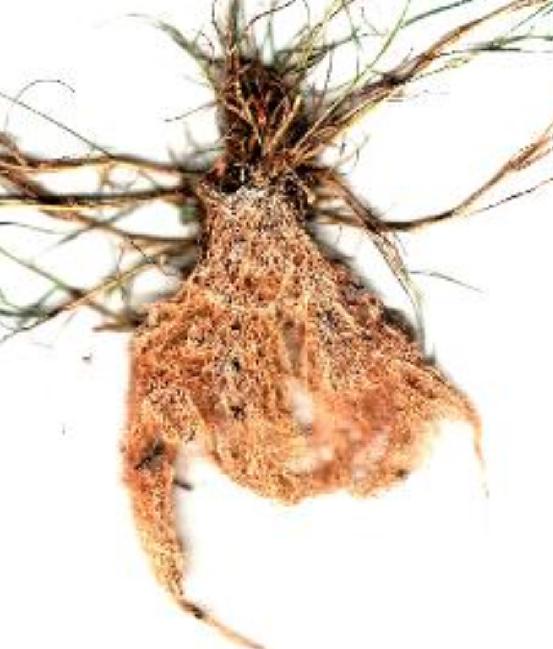
This is a photo of a Ryegrass plant, that was growing in Type I MOT Roadstone on flat ground in a private garden. You will note that it has a great deal of fibrous root - apparently in American Baseball Stadiums each grass plant has over 100 miles of root.

grassroot2a

.

That root in cooperation with worms, bacteria etc takes in food, which is brought down from the surface by water (usually rain, but can be by irrigation) either in tunnels created by the worms, moles, etc or when the ground cracks open in the summer when the clay soil dries up and shrinks - clay soil can absorb 40% of its own volume before it turns from a solid to a liquid. That root also breathes in oxygen then expels carbon dioxide (Click on Carbon Cycle) and nitrogen (Click on Nitrogen Cycle) ALL THE TIME.

If you buy Sharp-Washed-Sand from a Builder's Merchant and put that into a clean pot round a plant, then using NPK fertilisers the roots of that plant can absorb that food dissolved in water. Once you stop supplying that water and food, that plant will die (it is like saying that for you to survive, that you need a lb of glucose each day, so I sit you down outside and put 365 lbs of glucose round your feet. It rains and within 6 weeks that glucose has either been eaten by you or dissolved in the rain and washed down into the ground below your feet. Then you complain to me that you are hungry).

To make that Sharp-Washed-Sand into soil, you need dead plant material, shit from animals or dead animals, bacteria, worms that can be eaten by the animal, bacteria and worms to bind those sand particles together with clay and organic matter (Click on Soil Structure). That soil can then hold onto the some of the rain (Click on How does Water act in the Soil) with food for the animal/plant in it, before the excess rain drains through below the top soil to the sub-soil and the food in it is then lost to the plants above it. The easiest method of supplying the dead plant material is to collect your potato peelings, tea bags, coffee grounds in a bucket under the sink before putting them on the ground surface round a plant. Then, mow the lawn and put 1cm or 0.5 inch depth of grass mowings on top to complete the organic mulch, provide water from the grass and nitrogen from it to compost the peelings below. The worms having made tunnels in the soil may also eat the peelings. When it rains the water can absorb nutrients from that mulch and take it down using those tunnels. WHEN THOSE TUNNELS ARE FULL OF WATER AND A CLOD-HOPPING HUMAN WALKS ON IT, THEN IT COLLAPSES AND NO LONGER FUNCTIONS. If it rains heavily, allow the ground to recover for a couple of days before walking on it.

You can then see that a Sandy Soil is much easier for the roots of a plant to get into, but when it rains it dries up quickly and then the food in it gets washed through it very quickly (Click on How are Chemicals stored and released from Soil?). It is also easier for the gases to get in and out.

A clay soil is more difficult for plants, since when it rains the tunnels fill up with water and thus could drown the roots. Put sand round its roots up to the surface of the soil and this will combine with the clay to stop the roots from being drowned or without Nitrogen and Carbon gas exchange. If your lawn is soggy when it rains, then cut the lawn short when it is dry and apply 25Kg of sand over a 5 metre x 5 metre area once a month for 3 months during May-September and it will change the soil structure to lessen that.

A mixture of Clay and Soil is best (Click on Soil Formation - What is Soil Texture?).


I saw a yew tree that had been planted in a churchyard in 2000 as a 2 foot high tree. In 2009 it had reached 7 feet high and 3 feet across. Why had it not grown?

It was planted on a 30 degree slope in clay/sand soil with grass growing round its base. It had the following 3 reasons for failure to grow:-

  • When it rained, the water would either be taken up by the roots of the grass (Click on the roots of just 1 plant in the photo above) or run off down the slope.
  • The grass would take all the nutrients out the top soil leaving none to be washed down to the roots of the yew tree.
  • The grass would be using all the oxygen that came down the tunnels, leaving none for the yew tree

So, I carefully removed the grass and its roots from around its base out to the tips of the tree branches and mulched that bare ground with shrub prunings / grass mowings to a 4 inch depth. A year later it was growing quite well with new leaves and an increase of density of branches.

In Maderia I saw a mature olive tree - which had been transplanted from the nursery to a roof garden - a year after it was planted. It was on a mound with brazilian grass growing round its base. It was dying from dehydration even though it was irrigated every other day - the grass was growing well.

An organic mulch about 4 inches deep on weeded soil makes garden maintenance very easy. Once a week you walk round the garden and using a swoe (a hoe has 2 arms to the horizontal blade, a swoe only has 1 so that you can stand on the lawn and be able to hoe behind the plant in front of you) hoe through the weed root in the top of the mulch and remove the uprooted weed. I find that Spent Mushroom Compost is light, easy to lay, easy to hoe and lasts a relatively long time. You may lose about 50% each year. If you do not apply any mulch and you do have groundcover plants covering all the soil, then you will enjoy permanent weeding chores like the painters on the Forth Bridge last century - you come to the other side and have to start again immediately. When you prune your shrubs/trees/hedges then put the prunings on your uncut lawn. When you deadhead your bulbs or remove perennials, shake off the earth from the roots and place on the uncut lawn. Using a rotary mower cut your lawn and it will cut the grass and your prunings/perennials into small bits which you then mulch your flower beds/hedges with. In the autumn, set your mower to its highest cut and transfer the autumn fallen leaves onto the lawn before mowing them and mulching as before. Continue mowing once a week untill all fallen leaves have been removed.

If your garden is on a steep slope - I maintained one that had half-circle beds with lawn paths round them - the diameter of the circle was usually level and the half-circumference went down the slope. The ground had flint and chalk in it and the plants in it were usually the inverted cone shape. When it rained, the stones would be washed off onto the lawn paths and damage my mowing machine. Providing any mulch applied to those beds is covered with grass mowings, then that problem - of the stones being washed off by any rain however hard onto the paths - is stopped.

Roots of plants that you put into your garden do extend and grow, but the existing roots do not move by themselves to better places. You have to untangle them and spread them out yourself. I planted a blue cedar in my front garden and 9 years later it died. When I took it out, I found that the roots which had been going round the inside of the pot before I planted it had expanded sideways to fill the complete space between them as if they were still in the pot. There were very few roots which had grown away from this rootball and so the plant died due to dehydration, lack of food and lack of gas exchange in the ground.

A minor point that people forget is that you only live because you can breath oxygen, and plants provide it. So please look after the plant so that they have food, water and air (best soil has at least 30% air in it) on a regular basis, just like you do for your children.

.

The following photos show that nature can create conditions in and on a bed of Type I Roadstone - laid on a geotextile to prevent the soil under it from mixing with it - to support plants and then grow grass.

This is the same garden as the one showing the roots of a Ryegrass plant above. The Roadstone had been laid to create a more level garden and then only used with a normal washing line to dry washing. The weeds were growing quite tall in the area where the dead leaves from the Leylandii Hedge growing alongside the boundary fence in the next door garden were depositing themselves.

In order to reduce the length of time maintaining this garden, reduce the height of growing vegetation and since some grass had already started to grow, it was decided to sow grass seed and then let nature take its course without an irrigation system.

roadstonegrass1

So the first area was cleared, cheap grass seed sown and some sand was scattered over the seed to level the surface, prevent the birds from eating the seed and produce an easier area for the grass roots.

roadstonegrass2

The juvenile grass appeared after a couple of weeks.

The weeds grow in the roadstone covering this garden and have been used as a mulch on the raised bed on the left. A self-sown seedling of an oak tree has been growing in this raised bed and its only maintenance consists of providing a mulch of the weeds removed from this garden round its base. Since this minimal maintenance program was started, the sapling has grown 4 feet in 2 years.

The paver in the middle covers the hole for the supporting tube of the washing line.

roadstonegrass4

These show the new grass growing in the roadstone with sand on top and in the roadstone without sand on the top.


So, if you want a new drive that will provide you with:-

  • oxygen for you to breathe,
  • absorb the rainfall that falls on it rather than that rain going into the public road and maybe causing flooding further down the road,
  • solve the problem of overhanging trees dropping their leaves on your ground - in the autumn set your mower to its highest setting and once a fortnight mow the drive, then use the mown grass/leaves as a mulch on your flower beds, vegetable beds and hedges,
  • re-use an area that was boggy or unused for a hardstanding for cars, caravans or boats.

then remember to use a geotextile under 4 inch depth (10cms) for sand or chalk soil or 8 inch depth for clay soil (Click on Case 3 which details the foundation depth required) to prevent the soil and stone mixing and the roots of trees or shrubs from growing in it. Then, sow your grass seed before blinding it with a thin layer of sharp-washed sand to level it and stop the birds from eating that seed. Then, from March to December mow it after each 3 week period to 1 inch (2.5cms) height to keep it low.

roadstonegrass3a


According to the Civil Service Motoring Association Magazine of September 2012, "there are 7,000,000 UK gardens that have been paved over to make space for parking, says the RAC Foundation. The increase in vehicle numbers, and limit on public parking spaces, means that, of the 80 per cent of dwellings built with a front garden, two-thirds are now paved over for cars." Most of the current population in the UK breathe, and that means that most of the current population do not have the 25 x 25 feet of lawn necessary for that lawn to produce their required Oxygen for the year for them to breathe as well as the incredible amount of oxygen used by car engines. This means that the human population is currently asphyxiating itself, instead of growing grass to park their cars on.


Site Map for Flower Petal Colour being nearest to Colour in this Colour Wheel Page

Introduction explains the 54 links to the 54 colour pages in the Colour Wheel links map below


Since the majority of the Wildflowers detailed in this website are available in either seed or plug-plant form, why do you not mix them with the cultivated plants in your garden?

There are 2157 (
1481 cultivated plants with
46 cultivated plants from RHS Wisley - from
Mixed Border Herbaceous, Mixed Border Design and RHS Roses - and
628 wildflower plants from Wild Flower ) plant forms split into:-

  • 165 WILDFLOWER - ANNUALS / BIENNIALS (including Aquatic plants, which grow in water or wet soil)
  • 8 WILDFLOWER - CLIMBERS
  • 5 WILDFLOWER - GRASSES / RUSHES / SEDGES
  • 60 WILDFLOWER - UNDER-SHRUB / SHRUBS / TREES
  • 365 WILDFLOWER - PERENNIALS (including Aquatic Perennials)
  • 17 WILDFLOWER - PARASITES
  • 8 WILDFLOWER - RHIZOMES / BULBS
  • 10 BEDDING
  • 97 ALLIUM AND ANEMONE BULBS.
  • 5 BULBS - Spring Catalogue.
  • 89 BULBS - Late Summer Catalogue.
  • 42 BULBS - Autumn Catalogue.
  • 3 BULBS - Winter Catalogue.
  • 105 CLIMBERS
  • 115 COLCHICUM AND CROCUS BULBS.
  • 46 DAHLIA TUBERS
  • 29 DECIDUOUS SHRUBS
  • 90 EVERGREEN PERENNIALS
  • 45 EVERGREEN SHRUBS
  • 203 GLADIOLI CORMS
  • 57 HEATHER EVERGREEN SHRUBS
  • 132 HERBACEOUS PERENNIALS
  • 62 LILIUM BULBS
  • 54 NARCISSUS BULBS
  • 343 ROSES
  • 1 SEMI-EVERGREEN PERENNIAL

in this Gallery.


There are other pages on Plants which bloom in each month of the year in this website:-


THE 2 EUREKA EFFECT PAGES FOR UNDERSTANDING SOIL AND HOW PLANTS INTERACT WITH IT OUT OF 15,000:-


Explanation of Structure of this Website with User Guidelines Page for those photo galleries with Photos (of either ones I have taken myself or others which have been loaned only for use on this website from external sources)


or


when I do not have my own or ones from mail-order nursery photos , then from March 2016, if you want to start from the uppermost design levels through to your choice of cultivated and wildflower plants to change your Plant Selection Process then use the following galleries:-

  • Create and input all plants known by Amateur Gardening inserted into their Sanders' Encyclopaedia from their edition published in 1960 (originally published by them in 1895) into these
    • Stage 1 - Garden Style Index Gallery,
      then
    • Stage 2 - Infill Plants Index Gallery being the only gallery from these 7 with photos (from Wikimedia Commons) ,
      then
    • Stage 3 - All Plants Index Gallery with each plant species in its own Plant Type Page followed by choice from Stage 4a, 4b, 4c and/or 4d REMEMBERING THE CONSTRAINTS ON THE SELECTION FROM THE CHOICES MADE IN STAGES 1 AND 2
    • Stage 4a - 12 Bloom Colours per Month Index Gallery,
    • Stage 4b - 12 Foliage Colours per Month Index Gallery with
    • Stage 4c - Cultivation, Position, Use Index Gallery and
    • Stage 4d - Shape, Form Index Gallery
    • Unfortunately, if you want to have 100's of choices on selection of plants from 1000's of 1200 pixels wide by up to 16,300 pixels in length webpages, which you can jump to from almost any of the pages in these 7 galleries above, you have to put up with those links to those choices being on
      • the left topic menu table,
      • the header of the middle data table and on
      • the page/index menu table on the right of every page of those galleries.


I hope that you find that the information in this website is useful to you:-

I like reading and that is shown by the index in my Library, where I provide lists of books to take you between designing, maintaining or building a garden and the hierarchy of books on plants taking you from

There are these systems for choosing plants as shown in

  • Plants topic
  • Garden Style Index Gallery
  • Colour Wheel of All Flowers 53 flower colours
  • Colour Wheel of All Flowers per Month 53 flower colours
  • Flower Shape
  • This All Bee-Pollinated Flowers gallery compares 13 flower colour photos per month for many plants from the other Galleries, by clicking on the 1 in the relevant Flower per month Colour in the Colour Wheel down on the right,
  • the Bee-pollinated Index Gallery provides the tabular index of another 264 plants with the relevant colour in that respective month:-
    • 51 ANNUALS
    • 2 ANNUAL - VEGETABLE
    • 4 AQUATIC PLANTS
    • 11 BIENNIALS
    • 21 BULBS, CORMS, OR RHIZOMES
    • 4 CLIMBERS
    • 31 DECIDUOUS SHRUBS
    • 26 DECIDUOUS TREES
    • 9 EVERGREEN PERENNIALS
    • 22 EVERGREEN SHRUBS
    • 2 EVERGREEN TREES
    • 2 GRASSES which cause hayfever
    • 4 SEMI-EVERGREEN SHRUBS
    • 66 HERBACEOUS PERENNIALS
    • 9 PERENNIAL HERBS

82 rock garden plants (with photos) suitable for small garden areas; split into:-

2 ALLIUM and ANEMONE Bulbs
3 BULBS - Spring Catalogue. For planting in February/ May
2 BULBS - Late Summer Catalogue. For planting in July/ September
7 BULBS - Autumn Catalogue. For planting in September/ November
2 Bulbs - Winter Catalogue. For planting in November/ March
35 COLCHICUM AND CROCUS BULBS.
0 DECIDUOUS SHRUBS
30 EVERGREEN PERENNIALS
1 EVERGREEN SHRUBS
0 HERBACEOUS PERENNIALS
0 ROSES
in the Rock Plant Flowers Gallery.
All the remaining rock garden plants detailed in the Rock Garden Plant Index pages in the Rock Plant Flowers are waiting to receive photos, before they can be added to the 1 of the 52 Rockgarden Colour Wheel - Flowers Pages and then the above list.

I am taking photos of rock garden plants suitable for small gardens and if they do not have their own Plant Description Page in this website, then each photo of each plant will be located at the bottom of the relevant 1 of 52 Rockgarden Flower Colour Wheel pages. Usually a link in *** to that page of 35 will be included in the Name field of the respective Index Page, for:-

15 BULBS, CORMS and TUBERS
4 EVERGREEN SUBSHRUBS
7 EVERGREEN PERENNIALS
2 EVERGREEN SHRUBS
7 HERBACEOUS PERENNIALS
Then a link using More Photos Page links to the Rock Plant Photos Gallery for each of the above 35 Rock Garden Plants


Book - A Gardener's Latin The Language of Plants Explained by Richard Bird ISBN 978-I-91023-205-7 (published 2015) has chapters on :-

  • Prefixes
  • Suffixes
  • Colour
    black and white
    red and pink
    blue, violet and orange
    yellow and orange
    green and brown
  • Shape
    flower shape
    leaf shape
    plant shape
  • Fragrance and taste
  • Flowering time


MyGardenInsider is a website dedicated to providing gardeners with information and inspiration on the activity of gardening.

We are a division of MasterTag, a third generation family business in Montague, Michigan and proud to be the originator as well as the leading provider of the horticulture plant tags you have come to rely upon for accurate care information.

Our horticultural heritage is what makes MyGardenInsider unique among gardening websites. Our staff of experienced horticulturists, industry professionals and real world gardening knowledge will bring an 'insider's' perspective to gardeners of all levels of experience and interest. Through our longstanding relationships with breeders, growers and garden retailers, we offer the most current and advanced preview of gardening trends, information and ideas.

This row has absolutely nothing to do with gardening:

We get some of our veg from Riverford Organic Farmers and the following statements are what they included in their delivery on 31 July 2017:-

"History tells us that no organisation is capable of reliable self-regulation, whether a newspaper, government, the police, the Catholic Church and certainly not a supermarket.

Riverford is currently moving towards employee ownership (EO), with staff due to take a 74% stake in May 2018. This has led to a lot of navel-gazing about what values Riverford stands for, and how we will protect them into the future. We have visited other values-driven and EO companies, studied their governance structures and researched what works and what doesn't. Through this I have almost managed to grow out of my knee-jerk antagonism to the idea of someone else auditing my virtue.

Power corrupts and absolute power corrupts absolutely; the idea of being your own judge, jury and executioner becomes progressively more dangerous as an organisation grows. I accept that we have reached a stage where we must agree a more objective measurement of how we behave towards staff, customers and supplier and need impartial means of checking how we are doing (through the creation of an external EO Trust and our Customer Roundtable)."

Topic
Plants detailed in this website by
Botanical Name

A, B, C, D, E, F, G,
H, I, J, K, L, M, N,
O, P, Q, R, S, T, U,
V, W, X, Y, Z ,
Bulb
A1
, 2, 3, B, C1, 2,
D, E, F, G, Glad,
H, I, J, K, L1, 2,
M, N, O, P, Q, R,
S, T, U, V, W, XYZ ,
Evergreen Perennial
A
, B, C, D, E, F, G,
H, I, J, K, L, M, N,
O, P, Q, R, S, T, U,
V, W, X, Y, Z ,
Herbaceous Perennial
A1
, 2, B, C, D, E, F,
G, H, I, J, K, L, M,
N, O, P1, 2, Q, R,
S, T, U, V, W, XYZ,
Diascia Photo Album,
UK Peony Index

Wildflower
Botanical Names,
Common Names ,

will be
compared in:- Flower colour/month
Evergreen Perennial
,
F
lower shape Wildflower Flower Shape and
Plant use
Evergreen Perennial Flower Shape,
Bee plants for hay-fever sufferers

Bee-Pollinated Index
Butterfly
Egg, Caterpillar, Chrysalis, Butterfly Usage
of Plants.
Chalk
A, B, C, D, E, F, G,
H, I, J, K, L, M, N,
O, P, QR, S, T, UV,
WXYZ
Companion Planting
A, B, C, D, E, F, G,
H, I, J, K, L, M, N,
O, P, Q, R , S, T,
U ,V, W, X, Y, Z,
Pest Control using Plants
Fern Fern
1000 Ground Cover A, B, C, D, E, F, G,
H, I, J, K, L, M, N,
O, P, Q, R, S, T, U,
V, W, XYZ ,
Rock Garden and Alpine Flowers
A, B, C, D, E, F, G,
H, I, J, K, L, M,
NO, PQ, R, S, T,
UVWXYZ

Rose Rose Use

These 5 have Page links in rows below
Bulbs from the Infill Galleries (next row), Camera Photos,
Plant Colour Wheel Uses,
Sense of Fragrance, Wild Flower


Case Studies
...Drive Foundations
Ryegrass and turf kills plants within Roadstone and in Topsoil due to it starving and dehydrating them.
CEDAdrive creates stable drive surface and drains rain into your ground, rather than onto the public road.
8 problems caused by building house on clay or with house-wall attached to clay.
Pre-building work on polluted soil.

Companion Planting
to provide a Companion Plant to aid your selected plant or deter its pests

Garden
Construction

with ground drains

Garden Design
...How to Use the Colour Wheel Concepts for Selection of Flowers, Foliage and Flower Shape
...RHS Mixed
Borders

......Bedding Plants
......Her Perennials
......Other Plants
......Camera photos of Plant supports
Garden
Maintenance

Glossary with a tomato teaching cauliflowers
Home
Library of over 1000 books
Offbeat Glossary with DuLally Bird in its flower clock.

Plants
...in Chalk
(Alkaline) Soil
......A-F1, A-F2,
......A-F3, G-L, M-R,
......M-R Roses, S-Z
...in Heavy
Clay Soil
......A-F, G-L, M-R,
......S-Z
...in Lime-Free
(Acid) Soil
......A-F, G-L, M-R,
......S-Z
...in Light
Sand Soil
......A-F, G-L, M-R,
......S-Z.
...Poisonous Plants.
...Extra Plant Pages
with its 6 Plant Selection Levels

Soil
...
Interaction between 2 Quartz Sand Grains to make soil
...
How roots of plants are in control in the soil
...
Without replacing Soil Nutrients, the soil will break up to only clay, sand or silt
...
Subsidence caused by water in Clay
...
Use water ring for trees/shrubs for first 2 years.

Tool Shed with 3 kneeling pads
Useful Data with benefits of Seaweed

Topic -
Plant Photo Galleries
If the plant type below has flowers, then the first gallery will include the flower thumbnail in each month of 1 of 6 colour comparison pages of each plant in its subsidiary galleries, as a low-level Plant Selection Process

Aquatic
Bamboo
Bedding
...by Flower Shape

Bulb
...Allium/ Anemone
...Autumn
...Colchicum/ Crocus
...Dahlia
...Gladiolus with its 40 Flower Colours
......European A-E
......European F-M
......European N-Z
......European Non-classified
......American A,
B, C, D, E, F, G,
H, I, J, K, L, M,
N, O, P, Q, R, S,
T, U, V, W, XYZ
......American Non-classified
......Australia - empty
......India
......Lithuania
...Hippeastrum/ Lily
...Late Summer
...Narcissus
...Spring
...Tulip
...Winter
...Each of the above ...Bulb Galleries has its own set of Flower Colour Pages
...Flower Shape
...Bulb Form

...Bulb Use

...Bulb in Soil


Further details on bulbs from the Infill Galleries:-
Hardy Bulbs
...Aconitum
...Allium
...Alstroemeria
...Anemone

...Amaryllis
...Anthericum
...Antholyzas
...Apios
...Arisaema
...Arum
...Asphodeline

...Asphodelus
...Belamcanda
...Bloomeria
...Brodiaea
...Bulbocodium

...Calochorti
...Cyclobothrias
...Camassia
...Colchicum
...Convallaria 
...Forcing Lily of the Valley
...Corydalis
...Crinum
...Crosmia
...Montbretia
...Crocus

...Cyclamen
...Dicentra
...Dierama
...Eranthis
...Eremurus
...Erythrnium
...Eucomis

...Fritillaria
...Funkia
...Galanthus
...Galtonia
...Gladiolus
...Hemerocallis

...Hyacinth
...Hyacinths in Pots
...Scilla
...Puschkinia
...Chionodoxa
...Chionoscilla
...Muscari

...Iris
...Kniphofia
...Lapeyrousia
...Leucojum

...Lilium
...Lilium in Pots
...Malvastrum
...Merendera
...Milla
...Narcissus
...Narcissi in Pots

...Ornithogalum
...Oxalis
...Paeonia
...Ranunculus
...Romulea
...Sanguinaria
...Sternbergia
...Schizostylis
...Tecophilaea
...Trillium

...Tulip
...Zephyranthus

Half-Hardy Bulbs
...Acidanthera
...Albuca
...Alstroemeri
...Andro-stephium
...Bassers
...Boussing-aultias
...Bravoas
...Cypellas
...Dahlias
...Galaxis,
...Geissorhizas
...Hesperanthas

...Gladioli
...Ixias
...Sparaxises
...Babianas
...Morphixias
...Tritonias

...Ixiolirions
...Moraeas
...Ornithogalums
...Oxalises
...Phaedra-nassas
...Pancratiums
...Tigridias
...Zephyranthes
...Cooperias

Uses of Bulbs:-
...for Bedding
...in Windowboxes
...in Border
...naturalized in Grass
...in Bulb Frame
...in Woodland Garden
...in Rock Garden
...in Bowls
...in Alpine House
...Bulbs in Green-house or Stove:-
...Achimenes
...Alocasias
...Amorpho-phalluses
...Arisaemas
...Arums
...Begonias
...Bomareas
...Caladiums

...Clivias
...Colocasias
...Crinums
...Cyclamens
...Cyrtanthuses
...Eucharises
...Urceocharis
...Eurycles

...Freesias
...Gloxinias
...Haemanthus
...Hippeastrums

...Lachenalias
...Nerines
...Lycorises
...Pencratiums
...Hymenocallises
...Richardias
...Sprekelias
...Tuberoses
...Vallotas
...Watsonias
...Zephyranthes

...Plant Bedding in
......Spring

......Summer
...Bulb houseplants flowering during:-
......January
......February
......March
......April
......May
......June
......July
......August
......September
......October
......November
......December
...Bulbs and other types of plant flowering during:-
......Dec-Jan
......Feb-Mar
......Apr-May
......Jun-Aug
......Sep-Oct
......Nov-Dec
...Selection of the smaller and choicer plants for the Smallest of Gardens with plant flowering during the same 6 periods as in the previous selection

Climber in
3 Sector Vertical Plant System
...Clematis
...Climbers
Conifer
Deciduous Shrub
...Shrubs - Decid
Deciduous Tree
...Trees - Decid
Evergreen Perennial
...P-Evergreen A-L
...P-Evergreen M-Z
...Flower Shape
Evergreen Shrub
...Shrubs - Evergreen
...Heather Shrub
...Heather Index
......Andromeda
......Bruckenthalia
......Calluna
......Daboecia
......Erica: Carnea
......Erica: Cinerea
......Erica: Others
Evergreen Tree
...Trees - Evergreen
Fern
Grass
Hedging
Herbaceous
Perennial

...P -Herbaceous
...Peony
...Flower Shape
...RHS Wisley
......Mixed Border
......Other Borders
Herb
Odds and Sods
Rhododendron

Rose
...RHS Wisley A-F
...RHS Wisley G-R
...RHS Wisley S-Z
...Rose Use - page links in row 6. Rose, RHS Wisley and Other Roses rose indices on each Rose Use page
...Other Roses A-F
...Other Roses G-R
...Other Roses S-Z
Pruning Methods
Photo Index
R 1, 2, 3
Peter Beales Roses
RV Roger
Roses

Soft Fruit
Top Fruit
...Apple

...Cherry
...Pear
Vegetable
Wild Flower and
Butterfly page links are in next row

Topic -
UK Butterfly:-
...Egg, Caterpillar, Chrysalis and Butterfly Usage
of Plants.
...Plant Usage by
Egg, Caterpillar, Chrysalis and Butterfly.

Both native wildflowers and cultivated plants, with these
...Flower Shape,
...
Uses in USA,
...
Uses in UK and
...
Flo Cols / month are used by Butter-flies native in UK


Wild Flower
with its wildflower flower colour page, space,
data page(s).
...Blue Site Map.
Scented Flower, Foliage, Root.
Story of their Common Names.
Use of Plant with Flowers.
Use for Non-Flowering Plants.
Edible Plant Parts.
Flower Legend.
Flowering plants of
Chalk and
Limestone 1
, 2.
Flowering plants of Acid Soil
1.
...Brown Botanical Names.
Food for
Butterfly/Moth.

...Cream Common Names.
Coastal and Dunes.
Sandy Shores and Dunes.
...Green Broad-leaved Woods.
...Mauve Grassland - Acid, Neutral, Chalk.
...Multi-Cols Heaths and Moors.
...Orange Hedge-rows and Verges.
...Pink A-G Lakes, Canals and Rivers.
...Pink H-Z Marshes, Fens, Bogs.
...Purple Old Buildings and Walls.
...Red Pinewoods.
...White A-D
Saltmarshes.
Shingle Beaches, Rocks and Cliff Tops.
...White E-P Other.
...White Q-Z Number of Petals.
...Yellow A-G
Pollinator.
...Yellow H-Z
Poisonous Parts.
...Shrub/Tree River Banks and other Freshwater Margins. and together with cultivated plants in
Colour Wheel.

You know its
name:-
a-h, i-p, q-z,
Botanical Names, or Common Names,
habitat:-
on
Acid Soil,
on
Calcareous
(Chalk) Soil
,
on
Marine Soil,
on
Neutral Soil,
is a
Fern,
is a
Grass,
is a
Rush,
is a
Sedge, or
is
Poisonous.

Each plant in each WILD FLOWER FAMILY PAGE will have a link to:-
1) its created Plant Description Page in its Common Name column, then external sites:-
2) to purchase the plant or seed in its Botanical Name column,
3) to see photos in its Flowering Months column and
4) to read habitat details in its Habitat Column.
Adder's Tongue
Amaranth
Arrow-Grass
Arum
Balsam
Bamboo
Barberry
Bedstraw
Beech
Bellflower
Bindweed
Birch
Birds-Nest
Birthwort
Bogbean
Bog Myrtle
Borage
Box
Broomrape
Buckthorn
Buddleia
Bur-reed
Buttercup
Butterwort
Cornel (Dogwood)
Crowberry
Crucifer (Cabbage/Mustard) 1
Crucifer (Cabbage/Mustard) 2
Cypress
Daffodil
Daisy
Daisy Cudweeds
Daisy Chamomiles
Daisy Thistle
Daisy Catsears Daisy Hawkweeds
Daisy Hawksbeards
Daphne
Diapensia
Dock Bistorts
Dock Sorrels
Clubmoss
Duckweed
Eel-Grass
Elm
Filmy Fern
Horsetail
Polypody
Quillwort
Royal Fern
Figwort - Mulleins
Figwort - Speedwells
Flax
Flowering-Rush
Frog-bit
Fumitory
Gentian
Geranium
Glassworts
Gooseberry
Goosefoot
Grass 1
Grass 2
Grass 3
Grass Soft
Bromes 1

Grass Soft
Bromes 2

Grass Soft
Bromes 3

Hazel
Heath
Hemp
Herb-Paris
Holly
Honeysuckle
Horned-Pondweed
Hornwort
Iris
Ivy
Jacobs Ladder
Lily
Lily Garlic
Lime
Lobelia
Loosestrife
Mallow
Maple
Mares-tail
Marsh Pennywort
Melon (Gourd/Cucumber)
Mesem-bryanthemum
Mignonette
Milkwort
Mistletoe
Moschatel
Naiad
Nettle
Nightshade
Oleaster
Olive
Orchid 1
Orchid 2
Orchid 3
Orchid 4
Parnassus-Grass
Peaflower
Peaflower
Clover 1

Peaflower
Clover 2

Peaflower
Clover 3

Peaflower Vetches/Peas
Peony
Periwinkle
Pillwort
Pine
Pink 1
Pink 2
Pipewort
Pitcher-Plant
Plantain
Pondweed
Poppy
Primrose
Purslane
Rannock Rush
Reedmace
Rockrose
Rose 1
Rose 2
Rose 3
Rose 4
Rush
Rush Woodrushes
Saint Johns Wort
Saltmarsh Grasses
Sandalwood
Saxifrage
Seaheath
Sea Lavender
Sedge Rush-like
Sedges Carex 1
Sedges Carex 2
Sedges Carex 3
Sedges Carex 4
Spindle-Tree
Spurge
Stonecrop
Sundew
Tamarisk
Tassel Pondweed
Teasel
Thyme 1
Thyme 2
Umbellifer 1
Umbellifer 2
Valerian
Verbena
Violet
Water Fern
Waterlily
Water Milfoil
Water Plantain
Water Starwort
Waterwort
Willow
Willow-Herb
Wintergreen
Wood-Sorrel
Yam
Yew


Topic -
The following is a complete hierarchical Plant Selection Process

dependent on the Garden Style chosen
Garden Style
...Infill Plants
...12 Bloom Colours per Month Index
...12 Foliage Colours per Month Index
...All Plants Index
...Cultivation, Position, Use Index
...Shape, Form
Index


Topic -
Flower/Foliage Colour Wheel Galleries with number of colours as a high-level Plant Selection Process

All Flowers 53 with
...Use of Plant and
Flower Shape
- page links in bottom row

All Foliage 53
instead of redundant
...(All Foliage 212)


All Flowers
per Month 12


Bee instead of wind pollinated plants for hay-fever sufferers
All Bee-Pollinated Flowers
per Month
12
...Index

Rock Garden and Alpine Flowers
Rock Plant Flowers 53
INDEX
A, B, C, D, E, F,
G, H, I, J, K, L,
M, NO, PQ, R, S,
T, UVWXYZ
...Rock Plant Photos

Flower Colour Wheel without photos, but with links to photos
12 Bloom Colours
per Month Index

...All Plants Index


Topic -
Use of Plant in your Plant Selection Process

Plant Colour Wheel Uses
with
1. Perfect general use soil is composed of 8.3% lime, 16.6% humus, 25% clay and 50% sand, and
2. Why you are continually losing the SOIL STRUCTURE so your soil - will revert to clay, chalk, sand or silt.
Uses of Plant and Flower Shape:-
...Foliage Only
...Other than Green Foliage
...Trees in Lawn
...Trees in Small Gardens
...Wildflower Garden
...Attract Bird
...Attract Butterfly
1
, 2
...Climber on House Wall
...Climber not on House Wall
...Climber in Tree
...Rabbit-Resistant
...Woodland
...Pollution Barrier
...Part Shade
...Full Shade
...Single Flower provides Pollen for Bees
1
, 2, 3
...Ground-Cover
<60
cm
60-180cm
>180cm
...Hedge
...Wind-swept
...Covering Banks
...Patio Pot
...Edging Borders
...Back of Border
...Poisonous
...Adjacent to Water
...Bog Garden
...Tolerant of Poor Soil
...Winter-Flowering
...Fragrant
...Not Fragrant
...Exhibition
...Standard Plant is 'Ball on Stick'
...Upright Branches or Sword-shaped leaves
...Plant to Prevent Entry to Human or Animal
...Coastal Conditions
...Tolerant on North-facing Wall
...Cut Flower
...Potted Veg Outdoors
...Potted Veg Indoors
...Thornless
...Raised Bed Outdoors Veg
...Grow in Alkaline Soil A-F, G-L, M-R,
S-Z
...Grow in Acidic Soil
...Grow in Any Soil
...Grow in Rock Garden
...Grow Bulbs Indoors

Uses of Bedding
...Bedding Out
...Filling In
...Screen-ing
...Pots and Troughs
...Window Boxes
...Hanging Baskets
...Spring Bedding
...Summer Bedding
...Winter Bedding
...Foliage instead of Flower
...Coleus Bedding Photos for use in Public Domain 1

Uses of Bulb
...Other than Only Green Foliage
...Bedding or Mass Planting
...Ground-Cover
...Cut-Flower
...Tolerant of Shade
...In Woodland Areas
...Under-plant
...Tolerant of Poor Soil
...Covering Banks
...In Water
...Beside Stream or Water Garden
...Coastal Conditions
...Edging Borders
...Back of Border or Back-ground Plant
...Fragrant Flowers
...Not Fragrant Flowers
...Indoor
House-plant

...Grow in a Patio Pot
...Grow in an Alpine Trough
...Grow in an Alpine House
...Grow in Rock Garden
...Speciman Plant
...Into Native Plant Garden
...Naturalize in Grass
...Grow in Hanging Basket
...Grow in Window-box
...Grow in Green-house
...Grow in Scree
...Naturalized Plant Area
...Grow in Cottage Garden
...Attracts Butterflies
...Attracts Bees
...Resistant to Wildlife
...Bulb in Soil:-
......Chalk
......Clay
......Sand
......Lime-Free (Acid)
......Peat

Uses of Rose
Rose Index

...Bedding 1, 2
...Climber /Pillar
...Cut-Flower 1, 2
...Exhibition, Speciman
...Ground-Cover
...Grow In A Container 1, 2
...Hedge 1, 2
...Climber in Tree
...Woodland
...Edging Borders
...Tolerant of Poor Soil 1, 2
...Tolerant of Shade
...Back of Border
...Adjacent to Water
...Page for rose use as ARCH ROSE, PERGOLA ROSE, COASTAL CONDITIONS ROSE, WALL ROSE, STANDARD ROSE, COVERING BANKS or THORNLESS ROSES.
...FRAGRANT ROSES
...NOT FRAGRANT ROSES


Topic -
Camera Photo Galleries showing all 4000 x 3000 pixels of each photo on your screen that you can then click and drag it to your desktop as part of a Plant Selection Process:-

RHS Garden at Wisley

Plant Supports -
When supporting plants in a bed, it is found that not only do those plants grow upwards, but also they expand their roots and footpad sideways each year. Pages
1
, 2, 3, 8, 11,
12, 13,
Plants 4, 7, 10,
Bedding Plants 5,
Plant Supports for Unknown Plants 5
,
Clematis Climbers 6,
the RHS does not appear to either follow it's own pruning advice or advice from The Pruning of Trees, Shrubs and Conifers by George E. Brown.
ISBN 0-571-11084-3 with the plants in Pages 1-7 of this folder. You can see from looking at both these resources as to whether the pruning carried out on the remainder of the plants in Pages 7-15 was correct.

Narcissus (Daffodil) 9,
Phlox Plant Supports 14, 15

Coleus Bedding Foliage Trial - Pages
1, 2, 3, 4, 5,
6, 7, 8, 9, 10,
11, 12, 13, 14, 15,
16, 17, 18, 19, 20,
21, 22, 23, 24, 25,
26, 27, 28, 29, 30,
31, 32, Index

National Trust Garden at Sissinghurst Castle
Plant Supports -
Pages for Gallery 1

with Plant Supports
1, 5, 10
Plants
2, 3, 4, 6, 7, 8, 9,
11, 12
Recommended Rose Pruning Methods 13
Pages for Gallery 2
with Plant Supports
2
,
Plants 1, 3, 4, 5, 6, 7

Dry Garden of
RHS Garden at
Hyde Hall

Plants - Pages
without Plant Supports
Plants 1
, 2, 3, 4, 5, 6, 7, 8, 9

Nursery of
Peter Beales Roses
Display Garden

Roses Pages
1, 2, 3, 4, 5,
6, 7, 8, 9, 10,
11, 12, 13

Nursery of
RV Roger

Roses - Pages
A1,A2,A3,A4,A5,
A6,A7,A8,A9,A10,
A11,A12,A13,A14,
B15,
B16,B17,B18,B19,
B20,
B21,B22,B23,B24,
B25,
B26,B27,B28,B29,
B30,
C31,C32,C33,C34,
C35,
C36,C37,C38,C39,
C40,
C41,CD2,D43,D44,
D45,
D46,D47,D48,D49,
E50,
E51,E52,F53,F54,
F55,
F56,F57,G58,G59,
H60,
H61,I62,K63,L64,
M65,
M66,N67,P68,P69,
P70,
R71,R72,S73,S74,
T75,
V76,Z77, 78,

Damage by Plants in Chilham Village - Pages
1, 2, 3, 4

Pavements of Funchal, Madeira
Damage to Trees - Pages
1, 2, 3, 4, 5,
6, 7, 8, 9, 10,
11, 12, 13
for trees 1-54,
14, 15,
16, 17, 18, 19, 20,
21, 22, 23, 24, 25,
for trees 55-95,
26, 27, 28, 29, 30,
31, 32, 33, 34, 35,
36, 37,
for trees 95-133,
38, 39, 40,
41, 42, 43, 44, 45,
for trees 133-166

Chris Garnons-Williams
Work Done - Pages
1, 2, 3, 4, 5,
6, 7, 8, 9, 10,
11, 12, 13

Identity of Plants
Label Problems - Pages
1, 2, 3, 4, 5,
6, 7, 8, 9, 10,
11

Ron and Christine Foord - 1036 photos only inserted so far - Garden Flowers - Start Page of each Gallery
AB1 ,AN14,BA27,
CH40,CR52,DR63,
FR74,GE85,HE96,

Plant with Photo Index of Ivydene Gardens - 1187
A 1, 2, Photos - 43
B 1, Photos - 13
C 1, Photos - 35
D 1, 2, 3, 4, 5, 6, 7,
Photos - 411
with Plants causing damage to buildings in Chilham Village and Damage to Trees in Pavements of Funchal
E 1, Photos - 21
F 1, Photos - 1
G 1, Photos - 5
H 1, Photos - 21
I 1, Photos - 8
J 1, Photos - 1
K 1, Photos - 1
L 1, Photos - 85
with Label Problems
M 1, Photos - 9
N 1, Photos - 12
O 1, Photos - 5
P 1, Photos - 54
Q 1, Photos -
R 1, 2, 3,
Photos - 229
S 1, Photos - 111
T 1, Photos - 13
U 1, Photos - 5
V 1, Photos - 4
W 1, Photos - 100
with Work Done by Chris Garnons-Williams
X 1 Photos -
Y 1, Photos -
Z 1 Photos -
Articles/Items in Ivydene Gardens - 88
Flower Colour, Num of Petals, Shape and
Plant Use of:-
Rock Garden
within linked page


Topic -
Fragrant Plants as a Plant Selection Process for your sense of smell:-

Sense of Fragrance from Roy Genders

Fragrant Plants:-
Trees and Shrubs with Scented Flowers
1
, 2, 3, 4, 5, 6
Shrubs bearing Scented Flowers for an Acid Soil
1
, 2, 3, 4
Shrubs bearing Scented Flowers for a
Chalky or Limestone Soil
1
, 2, 3, 4
Shrubs bearing Scented leaves for a
Sandy Soil
1
, 2, 3
Herbaceous Plants with Scented Flowers
1
, 2, 3
Annual and Biennial Plants with Scented Flowers or Leaves
1
, 2
Bulbs and Corms with Scented Flowers
1
, 2, 3, 4, 5
Scented Plants of Climbing and Trailing Habit
1
, 2, 3
Winter-flowering Plants with Scented Flowers
1
, 2
Night-scented Flowering Plants
1
, 2


Topic -
Website User Guidelines


My Gas Service Engineer found Flow and Return pipes incorrectly positioned on gas boilers and customers had refused to have positioning corrected in 2020.
 

Copied from

Ivydene Gardens Companion Planting: Companion Plant : Pest Control
 

Control of Pests/Disease by Companion Planting

Centipedes, which have one pair of legs to every body segment, are useful because they live on decaying garden material, not growing plants.

The Mole (Talpa europaea) eats their own body weight of earthworms and beetle-grubs under lawns and slugs, snails, birds, lizards, frogs and snakes above ground, but not plants. The mole can starve to death in several hours without food at any time of the year. The chief pairing season is at the end of March and beginning of April, and the young are born about 6 weeks later. Newborn female moles will mate the following spring and the cycle begins anew. They excavate 2 different types of tunnel:-

  • Those near the surface are for hunting and use during mild weather, which show as a ridge just under the lawn.
  • the other dug 7" deep are the main highways to connect nests to feeding grounds and are used exclusively during temperature extremes. it is these deeper tunnels that result in mole hills as the worker pushes up excavated soil.

Moles prefer loose, moist loam and avoid dry, sandy, or heavy clay soils in which they can dig up to 200 feet of tunnel every day, so they are too extensive to fumigate. Moles do not eat the roots and bulbs of flowers and vegetables. Its sense of smell and hearing are very acute. On the average, one acre of land will support about two or three moles at one time. But areas next to large tracts or forested areas may be subject to continual invasions by moles because such areas may support many moles.

Attack methods:-

  • Planting mole plant (Euphorbia lathyrus) or castor-oil plants may repell them.
  • Drenching the soil of fresh digs with a castor-oil mixture makes them uninhabitable. Mix two parts castor oil with one part liquid detergent and stir until foamy. Dilute 2 tablespoons of this in a gallon of water and use to saturate the soil inside and around the mound. This coats the animals' food source (grub and mole cricket) and causes stomach disruptions in the animal. However, it may take up to three weeks for this to meet its maximum effectiveness level. The targeted animals must make the association between feeding in a particular area and the stomach disruptions. One application will last for one month against moles, voles and other burrowing animals, when applied as directed.
  • Trapping is the most effective control. See www.hygienesuppliesdirect.com for some traps.

See useful data for non-plant control of cats and rodents.

Useful booklists on growing conditions and pest control after this table

.

Climate Zone -

Scottish Highlands and Northern Japan is Zone 7,

Most of British Isles, Central Ireland with parts of Japan, Australia and China are Zone 8

and the Mediterranean area is Zone 9

Plant

Climate Zone

Repels

Catnip (Nepeta cataria)

3-10

Ant

Chervil (Anthriscus cerefolium)

7-10

Ant

Hyssop (Hyssopus officinalis)

3-10

Ant

Lavender (Lavandula)

5-10

Ant

Mint (Mentha). Fresh or dried mint in the pantry to deter house ants.

3-7

Ant

Oak leaf smoke (Quercus robur)

3-10

Ant

Pennyroyal (Mentha pulegium) Sprays either fresh or dried, placed on larder shelves deter ants.

7-9

Ant

Peppermint (Mentha piperita)

3-7

Ant

Sage (Salvia officinalis)

5-10

Ant

Southernwood or Lad's Love (Artemesia abrotanum). Sprays either fresh or dried, placed on larder shelves deter ants.

4-10

Ant

Spearmint (Mentha spicata)

3-7

Ant

Tansy (Tanacetum vulgare) Sprays either fresh or dried, placed on larder shelves deter ants.

4-9

Ant

Anise or Aniseed (Pimpenella anisum)

4-8

Aphid

Annual Delphinium (Consolida ambigua)

9-11

Aphid

Black Mustard (Brassica nigra)

7-11

Aphid

Catnip (Nepeta cataria)

3-10

Aphid

Chive (Allium schoenoprasum)

5-10

Aphid

Coriander (Coriandrum sativum)

6-9

Aphid

Dill (Anethum graveolens)

8-10

Aphid

Fennel (Foeniculum vulgare)

5-10

Aphid

Garlic (Allium sativum). Pick young leaves of Garlic, Nettle (Urtica dioica), Basil (Ocimum
basilicum) or Wormwood (Artemesia
absinthium) into a pan, cover with water, bring it to the boil, boil for 2 minutes, then remove from heat and strain water into a measuring jug. Dilute 1 volume of 'tea' to 4 of cold water and spray affected plants at once.

8-10

Aphid.

Ladybirds prefer to eat up to 400 aphids per week.

Damsel-fly catch aphids and dispose of insect larvae.

Lavender (Lavandula)

5-10

Aphid

Milkweed (Asclepias)

7

Aphid

Nasturtium (Trapaeolum majus). Grow border of orange nasturtiums round plants to be protected.

9-11

Aphid

Oak leaf smoke (Quercus robur)

3-10

Aphid

Sage (Salvia officinalis)

5-10

Aphid

Southernwood or Lad's Love (Artemesia abrotanum)

4-10

Aphid

Spearmint (Mentha spicata)

3-7

Aphid

Spindle tree (Euonymus europeus) - this tree is the host to the Black Bean Fly

3-9

Aphid

Spurrey (Spergula arvensis)

7

Aphid

Stinging Nettle (Urtica dioica)

3-9

Aphid

Summer Savory (Satureja hortensis)

5-9

Aphid

Chive (Allium schoenoprasum)

5-10

Apple tree scab

Marigold (Calendula officinalis)

6-10

Aspagus beetle

Rosemary (Rosemarinus officinalis)

6-11

Bean beetle

Summer savory (Satureja hortensis)

5-9

Bean beetle

Petunia

9-11

Beetle

Mint (Mentha)

3-7

Black Flea beetle

Chive (Allium schoenoprasum)

5-10

Black spot

Stinging Nettle (Urtica dioica)

3-9

Blackfly

Summer savory (Satureja hortensis)

5-9

Blackfly

Wormwood (Artemesia absinthum and Artemesia frigida)

4-10

Blackfly beetle

Tansy (Tanacetum vulgare)

4-9

Borer

Tree Onion (Allium cepa)

5-10

Borer

Wormwood (Artemesia absinthum and Artemesia frigida)

4-10

Butterfly

Celery (Apium graveolens dulce)

5-8

Cabbage butterfly

Mint (Mentha)

3-7

Cabbage White Butterfly

Common Sage (Salvia officinalis)

5-10

Cabbage moth

Hyssop (Hyssopus officinalis)

3-10

Cabbage moth

Southernwood or Lad's Love (Artemesia abrotanum)

4-10

Cabbage moth

Rosemary (Rosemarinus officinalis)

6-11

Cabbage moths

French Marigold (Tagetes patula)

11-12

Cabbage pests

Clover (Trifolium repens)

4-10

Cabbage root fly

Anise or Aniseed (Pimpenella anisum)

4-8

Cabbage worm

Common Sage (Salvia officinalis)

5-10

Cabbage worm

Garden Thyme (Thymus vulgaris)

7-10

Cabbage worm

Nasturtium (Trapaeolum majus)

9-11

Cabbage worm

Tansy (Tanacetum vulgare)

4-9

Cabbage worm

Wormwood (Artemesia absinthum and Artemesia frigida)

4-10

Cabbage worm

Allium

8-10

Carrot fly

Common Sage (Salvia officinalis)

5-10

Carrot fly

Rosemary (Rosemarinus officinalis)

6-11

Carrot fly

Tree Onion (Allium cepa)

5-10

Carrot fly

Viper's grass (Scorzonera hispanica)

6

Carrot fly

Wild Leek (Allium ampeloprasum)

6-9

Carrot fly

Common Rue (Ruta graveolens)

5-9

Cat

Hyssop (Hysoppus officinalis), Sage (Salvia officinalis) and Thyme (Thymus vulgaris). Plant mixture round edge of vegetable area.

3-10

Caterpillar

Spurrey (Spergula arvensis)

7

Caterpillar

Celeriac (Apium graveolens rapaceum)

5-8

Caterpillars in brassicas

Celery (Apium graveolens dulce)

5-8

Caterpillars in cabbages

Mint (Mentha). Sachets of dried mint in the wardrobe.

3-7

Clothes Moth

Chinaberry or Indian lilac (Melia azedarach)

8-12

Cockroach (Blatella)

Black nightshade (Solanum nigrum)

8-11

Colorado beetle

Catnip (Nepeta cataria)

3-10

Colorado beetle

Coriander (Coriandrum sativum)

6-9

Colorado beetle

Dandelion (Taraxacum officinale)

3-10

Colorado beetle

Eggplant or Aubergine (Solanum melongena)

9-12

Colorado beetle

Horse-radish (Armoracia rusticana)

5-9

Colorado beetle

Nasturtium (Trapaeolum majus)

9-11

Colorado beetle

Tansy (Tanacetum vulgare)

4-9

Colorado beetle

Thorn Apple (Datura stramontium)

7-11

Colorado beetle

Tree Onion (Allium cepa)

5-10

Colorado beetle

Bean (Phaseolus)

8-10

Corn armyworms

Soybean (Glycine max)

7-8

Corn borer

Soybean (Glycine max)

7-8

Corn earworm

Alfalfa (Medicago sativa)

4-8

Corn wireworms

Lavender cotton or Gray Santolina (Santolina chamaecyparissus)

7-10

Corn wireworms

African Marigold (Tagetes minuta)

10

Couch Grass

Radish (Raphanus sativus)

6-9

Cucumber beetle

Sweetcorn (Zea mays)

8-10

Cucumber beetle

Elder (Sambucus ebulus)

5-10

Cutworm

Oak leaf mulch (Quercus robur)

3-10

Cutworm

Oak Tanbark (Lithocarpus densiflorus)

7-9

Cutworm

Tansy (Tanacetum vulgare)

4-9

Cutworm

Catnip (Nepeta cataria)

3-10

Darkling beetle

Castor beans (Ricinus communis) and Foxglove (Digitalis purpurea)

9-12
4-9

Deer

Fennel (Foeniculum officinalis) planted alongside dog kennels and sprays inside the kennel

5-10

Dog Fleas

French Marigold (Tagetes patula)

11-12

Eelworm

Everlasting Pea (Lathyrus grandiflorus )

6-10

Field Mouse

Catnip (Nepeta cataria)

3-10

Flea beetle

Common Lettuce (Lactuca sativa)

6-11

Flea beetle

Hyssop (Hyssopus officinalis)

3-10

Flea beetle

Radish (Raphanus sativus)

6-9

Flea beetle

Celery (Apium graveolens dulce)

5-8

Flea beetle in cabbages

Anise or Aniseed (Pimpenella anisum)

4-8

Fleas

Amur Corktree (Phellodendron amurense)

3-9

Fly

Basil (Ocimum basilicum)

10-12

Fly

Common Rue (Ruta graveolens)

5-9

Fly

Hazelnut (Corylus avallana)

4-8

Fly

Tansy (Tanacetum vulgare)

4-9

Flying insect

Tansy (Tanacetum vulgare),
Basil (Ocimum basilicum) and
Southernwood (Artemesia abrotanum)

4-9
10-12
4-10

Fruit Fly of Peach and Apricot trees

Garlic (Allium sativum)

8-10

Fruit Tree Borers

Southernwood or Lad's Love (Artemesia abrotanum)

4-10

Fruit Tree Moth

Chive (Allium schoenoprasum)

5-10

Fungus

Squill (Scilla bifolia)

4-8

Gopher (Geomyidae)

Chinaberry or Indian lilac (Melia azedarach)

8-12

Grasshopper

Chervil (Anthriscus cerefolium)

7-10

Greenfly from lettuces

African Marigold (Tagetas minuta)

9

Ground Elder

Mugwort (Artemisia vulgaris lactiflora)

3-10

Growth retardant for nearby plants

Oak leaf mulch (Quercus robur)

3-10

Grub

Oak Tanbark (Lithocarpus densiflorus)

7-9

Grub

Black Mustard (Brassica nigra)

7-11

Harlequin bug

Wormwood (Artemesia absinthum and Artemesia frigida)

4-10

Houseflies

Basil (Ocimum basilicum), Tansy (Tanacetum vulgare) or Eau-de-cologne Mint (Mentha) in pots by the house-entrance doors and the barbeque area

4-9
10-12
3-7

Houseflies

Tickseed (Coreopsis lanceolate)

3-9

Insect

Hyssop (Hyssopus officinalis)

3-10

Insect larvae

Annual Delphinium (Consolida ambigua)

9-11

Japanese beetle

Catnip (Nepeta cataria)

3-10

Japanese beetle

Chive (Allium schoenoprasum)

5-10

Japanese beetle

Common Rue (Ruta graveolens)

5-9

Japanese beetle

Garlic (Allium sativum)

8-10

Japanese beetle

French Marigold (Tagetes patula)

11-12

Japanese beetle

Red Buckeye (Aesculus pavia)

7

Japanese beetle

Tansy (Tanacetum vulgare)

4-9

Japanese beetle

Thorn Apple (Datura stramontium)

7-11

Japanese beetle

White Geranium (Geranium versicolor)

6-9

Japanese beetle

White rose (Rosa alba semi-plena)

4-10

Japanese beetle

Zinnia

9-11

Japanese beetle

Borage (Borage officinalis)

5-10

Japanese beetle and pests of Brassicas

Cranesbill (Geranium)

6-9

Leafhopper

Petunia

9-11

Leafhopper

Mugwort (Artemisia vulgaris lactiflora)

3-10

Lice

Chinaberry or Indian lilac (Melia azedarach)

8-12

Locust

Alfalfa (Medicago sativa)

4-8

Lygus bugs

Rosemary (Rosemarinus officinalis)

6-11

Malaria mosquito

Southernwood or Lad's Love (Artemesia abrotanum)

4-10

Malaria mosquito

Wormwood (Artemesia absinthum and Artemesia frigida)

4-10

Malaria mosquito

French Marigold (Tagetes patula)

11-12

Mexican bean beetle

Petunia

9-11

Mexican bean beetle

Potato (Solanum tuberosum)

7-11

Mexican bean beetle

Winter Savory (Satureja montana)

4-8

Mexican bean beetle

Caper spurge (Euphorbia lathyris)

6-10

Mice

Daffodil or Daffy Down Dilly (Narcissus)

5-10

Mice

Daffodil or Daffy Down Dilly (Narcissus)

5-10

Mice

Elder (Sambucus ebulus)

5-10

Mice

Garlic (Allium sativum)

8-10

Mice

Grape hyacinth (Muscari aucheri)

6-9

Mice

Mint (Mentha)

3-7

Mice

Spurge (Euphorbia lactea)
Sow in late autumn for best effect

8-11

Mice

Squill (Scilla bifolia)

4-8

Mice

Wormwood (Artemesia absinthum and Artemesia frigida)

4-10

Mice

Chive (Allium schoenoprasum)

5-10

Mite

Tree Onion (Allium cepa)

5-10

Mite

Allium

8-10

Mole

Caper spurge (Euphorbia lathyris)

6-10

Mole

Elder (Sambucus ebulus). Put twigs into molehill or make into a liquid and pour it onto the molehill.

5-10

Mole

Spurge (Euphorbia lactea) Sow in late autumn for best effect

8-11

Mole

Striped Squill (Puschkinia scilloides)

4-6

Mole

Basil (Ocimum basilicum)

10-12

Mosquito

Garlic (Allium sativum)

8-10

Mosquito

Pennyroyal (Mentha pulegium)

7-9

Mosquito

Sassafras albidum

5-9

Mosquito

Artemesia family

4-10

Moth

Clover (Trifolium repens)

4-10

Moth

Common Lavender (Lavandula angustifolia)

5-10

Moth

Feverfew (Chrysanthemum parthenium)

4-9

Moth

Lavender cotton or Gray Santolina (Santolina chamaecyparissus)

7-10

Moth

Oil of cade (Juniperus oxycedrus)

5-9

Moth

Tansy (Tanacetum vulgare)

4-9

Moth

Wormwood (Artemesia absinthum and Artemesia frigida)

4-10

Moth

Asparagus (Asparagus acutifolius)

4-8

Nematode

Chrysanthemum or Persian Insect Flower (Chrysanthemum coccineum)

5-9

Nematode

Dahlia

9-11

Nematode

Marigold (Calendula officinalis)

6-10

Nematode

French Marigold (Tagetes patula)

11-12

Nematode

White Mustard (Sinapis alba)

7-11

Nematode

Rattle-box (Crotalaria spectabilis) – poisonous to livestock

9-11

Nematode

Rye (Secale cereale)

3

Nematode

Scarlet Sage (Salvia coccinea)

9-12

Nematode

Carrot (Daucus carota)

3-9

Onion Fly

Garlic (Allium sativum)

8-10

Onion Fly

Peanut, Groundnut or Monkey Nut (Arachis hypogaea)

8-12

Ostrinia furnacalis

Pennyroyal (Mentha pulegium)

7-9

Plant lice

Sassafras albidum

5-9

Plant lice

Stinging Nettle (Urtica dioica)

3-9

Plant lice

Garlic (Allium sativum)

8-10

Plum curculio

Eggplant or Aubergine (Solanum melongena)

9-12

Potato beetle

Eggplant or Aubergine (Solanum melongena)

9-12

Potato bug

Flax (Linum)

9

Potato bug

Petunia

9-11

Potato bug

White Dead Nettle (Lamium maculatum album)

4-10

Potato bug

Horse-radish (Armoracia rusticana)

5-9

Potato bug

Allium. Plant at corners of plot.

8-10

Rabbit

Dusty Miller or Sea Ragwort (Senecio cineraria).
Prevent them getting into your garden by enclosing it with a fence of 18-gauge, 31mm hexagonal wire mesh netting at least 3 feet wide. Fold the bottom 1 foot outwards i foot underground to deter rabbits from digging under it. Fill 1 foot wide and deep trench with earth and make wire fence 5 feet high.

7-10

Rabbit

Tree Onion (Allium cepa)

5-10

Rabbit

Caper spurge (Euphorbia lathyris)

6-10

Rat

Peppermint (Mentha piperita)

3-7

Rat

Spurge (Euphorbia lactea)
Sow in late autumn for best effect

8-11

Rat

Radish (Raphanus sativus)

6-9

Root fly

Common Sage (Salvia officinalis)

5-10

Root maggots

Spurrey (Spergula arvensis)

7

Root worm

Cranesbill (Geranium)

6-9

Rose chafer

Petunia

9-11

Rose chafer

Tree Onion (Allium cepa)

5-10

Rose chafer

Tree Onion (Allium cepa)

5-10

Rust

Oak leaf mulch (Quercus robur)

3-10

Slug. Persuade a hedgehog or toad to live in your garden so that they eat the slugs. See further info at end of this table.

Oak Tanbark (Lithocarpus densiflorus)

7-9

Slug

Rosemary (Rosemarinus officinalis)

6-11

Slug

White hellebore (Helleborus niger)

3-9

Slug

Wormwood (Artemesia absinthum and Artemesia frigida)

4-10

Slug

Borage (Borago officinalis)

5-10

Snail

Chervil (Anthriscus cerefolium)

7-10

Snail

Hyssop (Hyssopus officinalis)

3-10

Snail

Rosemary (Rosemarinus officinalis)

6-11

Snail

Sage (Salvia officinalis)

5-10

Snail

Stinging nettle (Urtica dioica). Lay flat round affected plants as sheet mulch. Snails discouraged by its stinging hairs

3-9

Snail

Thyme (Thymus vulgaris)

7-10

Snail

White hellebore (Helleborus niger)

3-9

Snail

Wormwood (Artemesia absinthum and Artemesia frigida)

4-10

Snail

Lavender cotton or Gray Santolina (Santolina chamaecyparissus)

7-10

Southern rootworm

Dill (Anethum graveolens)

8-10

Spider mite

Garlic (Allium sativum)

8-10

Spider mite

Catnip (Nepeta cataria)

3-10

Squash bug

Nasturtium (Trapaeolum majus)

9-11

Squash bug

Petunia

9-11

Squash bug

Tansy (Tanacetum vulgare)

4-9

Squash bug

Radish (Raphanus sativus)

6-9

Squash insects

Egyptian potato (Allium cepa) with conifers. When planting bulbs in pots, put a 1" deep layer of horticultural grit to the surface of the compost. You can do the same when planting bulbs in the ground, or cover them with chicken wire hidden under a layer of soil.
Use squirrel-proof bird feeders to stop squirrels eating bird food.
Use a homemade cage of chicken wire to prevent squirrels eating your fruit or crops.

5-10

Squirrel

Broccoli (Brassica oleracea)

8-11

Striped cucumber beetle

Tansy (Tanacetum vulgare)

4-9

Striped cucumber beetle

Nasturtium (Trapaeolum majus)

9-11

Striped pumpkin beetle

Chinaberry or Indian lilac (Melia azedarach)

8-12

Termite

Oak leaf smoke (Quercus robur)

3-10

Termite

Annual Delphinium (Consolida ambigua)

9-11

Thrips

Common Sage (Salvia officinalis)

5-10

Ticks

Basil (Ocimum basilicum)

10-12

Tomato hornworm

Borage (Borage officinalis)

5-10

Tomato hornworm

Marigold (Calendula officinalis)

6-10

Tomato hornworm

Dill (Anethum graveolens)

8-10

Tomato worm

Radish (Raphanus sativus)

6-9

Vine borer

Elder (Sambucus ebulus)

5-10

Vole

Bay (Laurus nobilis). Bay leaves stored with wheat, rye, beans, or oats repel weevils.

8-11

Weevil

Catnip (Nepeta cataria)

3-10

Weevil

Garlic (Allium sativum)

8-10

Weevil

Peppermint (Mentha piperita)

3-7

White Cabbage butterfly

Mint (Mentha)

3-7

White Cabbage Moth

Apple-Of-Peru or Shoofly (Nicandra physalodes)

8-11

White fly

Basil (Ocimum basilicum)

10-12

White Fly

Garden Thyme (Thymus vulgaris)

7-10

White fly

French Marigold (Tagetes patula)

11-12

White fly

Nasturtium (Trapaeolum majus)

9-11

White fly

Oak leaf smoke (Quercus robur)

3-10

White fly in greenhouses

Johnson grass (Sorghum halapense)

9-12

Willamette mites on vines

Buckwheat (Fagopyrum esculentum)

10

Wireworm

White mustard (Brassica campestris)

9-11

Wireworm

Woad (Isatis tinctoria)

6-8

Wireworm

Nasturtium (Trapaeolum majus)

9-11

Woolly aphid

Carrot (Daucus carota)

3-9

Worms in goats

Mulberry leaves (Morus indica)

4-6

Worms in horses

Tansy (Tanacetum vulgare)

4-9

Worms -Tansy leaves for worms in horses


The following Container Gardening for Wildlife is from Appendix 1 of The Wildlife Garden Month-by-Month by Jackie Bennett. Published by David & Charles in 1993. ISBN
0 7153 0033 4 :-


"It is quite possible to entice wildlife into even the most unpromising paved areas by utilising containers. Several mini-habitats can be created by growing a carefully selected range of trees, shrubs and flowers in pots, tubs, window boxes and hanging baskets.
If the space is enclosed by walls or high fences, it is important to let the passing wildlife know that this area is a source of food and shelter. Aim to add height and greenery with a small native tree grown in a good-sized wooden barrel and add 1 or 2 berry-bearing shrubs. Clothe the walls in climbers for nesting birds and introduce nectar-rich flowers for the insects. Finally, put up a nesting box amongst the climbers and find a place for a feeding table in winter and a bird bath in the summer. Despite the lack of grass and full-size trees, a surprising range of creatures will begin to inhabit this new garden.

DON'T FORGET HERBS

Herbs are amongst the most useful wildlife plants, including borage, mint, chives and rosemary, and are ideally suited to container growing. Do allow them to flower though, even at the expense of a continuous supply of leaves for cooking.


FOUR-SEASON WINDOW BOX

Try planting a window box with the following selection of evergreens, perennials, bulbs and bedding plants, for an all-the-year-round display.

WINTER
Ivy, hellebores, snowdrops

SPRING
Ivy, yellow crocus and grape hyacinths

SUMMER
Ivy, white alyssum and dwarf lavender

AUTUMN
Ivy, meadow saffron.


APPENDIX 2 has a Traditional Wildlife Garden Plan and a Garden Plan for Urban Wildlife.

STEP-BY-STEP CONTAINER PLANTING

Make sure the container has adequate drainage holes and that they are free of obstruction.

Put a layer of broken clay pots or crockery over the base of the container.

Half-fill with a multi-purpose potting compost.

Place the plants in position and fill around the root ball with more compost. Press down firmly.

Water well and add more compost if necessary, to bring the level up to 1 inch (2.5 cm) below the rim of the container.
 

Use the self-watering containers and potting mix detailed in the Vegetable Gallery Site Map Page rather the the pots or multi-purpose potting compost detailed above. Provide an outside water tap and watering can, so that you can irrigate the pots without traipsing the can through the house.


NOTE
To boost the wildlife habitat in a concrete yard, make a pile of logs in one corner. As the wood begins to break down, it will house beetles, spiders and slugs - great food for birds. The cool, damp habitat may be secluded enough to offer daytime cover to a toad, or possibly frogs and newts from a nearby pond.

RECOMMENDED PLANTS

TREES
Rowan (Sorbus aucuparia 'Fastigiata') Dwarf form (120 inches (300 cms)). Flowers for insects and berries for birds.

Willow (Salix caprea 'Pendula') Weeping form (120 inches (300 cms)). Catkins for insects, young leaves for caterpillars.

SHRUBS
Buddleia davidii (120 inches (300 cms)) Nectar from flowers for butterflies.

Cotoneaster 'Hybridus Pendulus' (120 inches (300 cms)) Berries and flowers.

Hawthorn (Craaegus monogyna) (180 inches (500 cms)) can be pruned hard to keep it within bounds. Secure nesting sites for birds. Berries and flowers.

Holly (Ilex aquifolium) (to 180 inches (500 cms)) a male and female bush are needed to be sure of berries. Nesting cover for birds.

Lavender (Lavendula angustifolia) Scented and attracts bees, flowers.

--->


CLIMBERS
Honeysuckle (Lonicera periclymenum) Summer wall and fence cover. Has nectar and flowers.

Ivy (Hedera helix) All-year-round wall and fence cover. Has nectar and flowers.

FLOWERS FOR NECTAR
Alyssum
Candytuft (Iberis)
Nasturtium (Tropaeolum majus).
Nicotiana
Night-scented stock (Matthiola bicornis).
Pot marigold (Calendula officinalis).


PLAN OF A SMALL ENCLOSED PATIO WITH CONTAINERS
Exit doorway on left with window on its left and window box outside window. Group of pots between door and window. Another group of pots in corner after window with one of the pots containing a tree. A wall basket between that corner and the corner on the right where a barrel with ivy is growing up the wall. A bench is half-way down to the bottom right corner with its pot group and a pile of logs. A bird table is half-way across to the bottom left corner with its large pot." - Use a 4 inch (10 cm) plastic pipe through the wall to allow non-flying creatures access from the public area outside to your garden area.

The following Growing Marsh Plants in Containers is from The Wildlife Garden Month-by-Month by Jackie Bennett. Published by David & Charles in 1993. ISBN
0 7153 0033 4 :-

Where space is limited, or simply as an alternative to conventional patio plants, it is possible to grow moisture-loving species in pots and tubs. The container needs to retain water - a terracotta pot which has a porouus structure would not be suitable, but a glazed ceramic pot would work well. Plastic pots can also be used - like the self-watering containers detailed in the Vegetable Gallery Site Map Page. Choose a pot at least 12 (30) deep and 16 (40) across. The best way to ensure the compost stays wet is to stand the whole pot in a substantial tray of water, so that the marsh can draw up moisture as it is needed (there is a water reservoir in the self-watering pots detailed above). Ordinary plant saucers will not hold enough water, and something deeper like a large kitchen roasting tin, which may not look so elegant, will do the job more effectively.
Spring is an ideal time to plant moisture-loving plants. Fill the container with a loam-based potting compost, insert the plants and water until soaked. Choose plants that won't outgrow the limited space too quickly. Include a selection of tall-growing species like purple loosestrife (Lythrum salicaria), sweet flag (Acorus calamus) and ragged robin (Lychnis flos-cuculi) alongside smaller plants like bogbean (Menyanthes trifoliata) and x-lips (Primula elatior). Avoid lady's smock (Cardamine pratensis) and water mint (Mentha aquatica) which can spread too quickly.
Keep the water in the base tray topped up, using rainwater collected in a water butt where possible. Keeping the tray full of water is particularly important in long, hot, dry spells, although in spring and autumn the naturall rainfall will probably be adequate. Cut back the foliage in the autumn to prevent the pots becoming choked with decaying material. Repot the plants every 2 or 3 years when they start to outgrow their containers. In the second year after planting, the plants may have used up the nutrients in the compost and will need an extra boost from a slow-release fertiliser.

MOISTURE-LOVING NATIVE PLANTS
Plant / Use of Plant


Height


Flower Colour


Flowering Time
 

Bog Bean (Menyanthes trifoliata) /
Moths

10 (25)

White

Mid-Summer

Globe Flower
(Trollius europaeus /

24 (60)

Yellow

Early Summer

Oxlip
(Primula elatior) /
Bee plant,
Butterfly nectar plant

6 (15)

Pale Yellow

Late spring

Primrose
(Primula vulgaris) /
Butterfly nectar plant

4 (10)

Pale Yellow

Mid-spring

Purple Loosestrife
(Lythrum salicaria) /
Bee plant,
Butterfly nectar plant

36 (90)

Pink-purple

Summer

Ragged Robin
(Lychnis flos-cuculi) /
Butterfly nectar plant

24 (60)

Pink

Summer

Sweet Flag
(Acorus calamus) /
 

24 (60)

Green

Mid-summer

Bog Arum
(Calla palustris) /

Naturalised in places in Britain

6 (15)

Yellow-green

Summer

Hemp Agrimony
(Eupatorium cannabinum) /
Bee plant,
Butterfly nectar plant

48 (120)

Reddish-pink

Late summer

Lady's Smock
(Cardamine pratensis) /
Attractive to Hoverflies,
Caterpillar food plant,
Butterfly nectar plant

9 (23)

Pale pink

Spring

Marsh Betony
(Stachys palustris) /
Bee plant

12 (30)

Purple

Summer

Marsh Cinquefoil
(Potentilla palustris) /
 

9 (23)

Dark red

Summer

Marsh St John's Wort
(Hypericum elodes) /

6 (15)

Pale yellow

Summer

Meadowsweet
(Filipendula ulmaria) /

36 (90)

Creamy-white

Summer

The following Planning a Herb Bed or Garden is from The Wildlife Garden Month-by-Month by Jackie Bennett. Published by David & Charles in 1993. ISBN
0 7153 0033 4 :-

TOP HERBS FOR WILDLIFE
Although there are a huge number of culinary and medicinal herbs which can be grown, not all are relevant to wildlife. The herbs in the fourth column describe the best herbs for attracting garden wildlife.

PREPARING THE SITE
The best location for a herb bed is one which gets a lot of sun and where the soil is already well drained. Most herbs dislike getting waterlogged roots and can tolerate almost drought conditions - in fact, those like rosemary and marjoram with Mediterranean ancestry, improve in taste, scent and flower growth in a sunny location.

If the soil is not ideal (heavy clay for instance), it is possible to add some coarse grit to aid drainage. However, it might be smpler and more productive to grow the herbs in pots - like the self-watering containers detailed in the Vegetable Gallery Site Map Page, putting in a good layer of gravel before adding the compost.

The ground should be dug thoroughly, removing any weeds --->

and large stones. Lay brick paths, edging tiles or wooden dividers before planting the herbs.

HERBS FOR LESS-THAN-IDEAL CONDITIONS
Although most herbs prefer a sunny position in a well-drained soil, there are some which will tolerate shade and a heavier soil. The resulting plants may not do as well but there is no need to give up the idea of growing herbs altogether and the wildlife will still find them useful.

Mint (Mentha) can tolerate shade although it does tend to grow towards the light and become crooked and leggy.

Tansy (Tanecetum vulgare) is an excellent native plant for butterflies and it is not too fussy about growing conditions.

Lovage (Levisticum officinale), a relative of the fennel, is also worth growing for its young leaves which add a celery flavour to soups and stews. It will grow quite adequately in a dark, damp spot and the flowers produced, although not as abundant as they should be, will provide nectar for hoverflies, wasps and bees.

Comfrey (Symphytum x uplandicum) should be included purely for its leaves which are a reliable food source for moth and butterfly caterpillars.

Lemon balm (Melissa officinalis) is another strong grower in less than ideal conditions. Its white or pale yellow flowers rely on bees for their pollination.

--->

Garden chervil (Anthriscus cerefolium) is an annual herb, greatly prized for the flavour of its parsley-like leaves. It will tolerate some shade, but prefers a well-drained soil.

Great burnet (Sanguisorba officinalis) is a tall native herb that prefers a damp habitat and a heavy clay soil. The tiny crimson flowers appear from mid-summer to early autumn.

Angelica (Angelica archangelica), originally from central Europe, is widely naturalised in Britain. It will do well in a shady spot in damp soil and has huge seedheads in early autumn.

PLANTING AND MAINTENANCE CALENDAR
Late Summer - prepare site

Autumn - Plant shrubs and pot-grown perennials

Spring - Sow seeds of annuals

Late Spring - Sow seeds of biennials

Summer - Keep beds free of weeds; water container plants. Adas Colour Atlas of Weed Seedlings by J.B Williams and J.R. Morrison provides photos to the 40 most common weeds afflicting gardens and arable farm land. ISBN 0-7234-0929-3

Instead of snipping off the flowers as they appear, leave a few plants of parsley, mint, marjoram and lemon balm to flower naturally. Many more insects will visit the plants and consequently the herb garden will be a richer feeding ground for birds.

TOP HERBS FOR WILDLIFE
Herb - Angelica (Angelica archangelica)
Type - Biennial
wildflower value - Flowers - hoverflies, bees.
Leaves - butterflies, caterpillars.
Seedheads - greenfinches, bluetits

Borage (borago officinalis)
Annual
Flowers - bees

Chives (Allium schoenoprasum)
Perennial
Flowers - bees, butterflies

Comfrey (Symphytum uplandicum)
Perennial
Leaves - moths, butterflies

Fennel (Foeniculum vulgare0
Perennial
Flowers - bees, wasps, hoverflies
Leaves - caterpillars

Hyssop (Hyssopus officinalis)
Perennial
Flowers - lacewings, bees

Lavender (Lavandula angustifolia)
Shrub
Flowers - bees, butterflies

Marjoram (Origanum vulgare)
Perennial
Flowers - bees, butterflies

Mint (Mentha - all types)
Perennial
Flowers - bees, butterflies, moths

Rosemary (Rosmarinus officinalis)
Shrub
Flowers - bees, butterflies, hoverflies

Thyme (Thymus - all types)
Perennial / shrub
Flowers - bees, butterflies

The following Recommended Bulbs is from The Wildlife Garden Month-by-Month by Jackie Bennett. Published by David & Charles in 1993. ISBN
0 7153 0033 4 :-

RECOMMENDED BULBS
Name - Bluebell (Scilla non-scripta)
Use of plant - Bee plant, Butterfly nectar plant
Site - Hedgerows, woodland
Depth of soil above the bulb - 2 (5)

Crocus (Purple) (Crocus tomasinianus)
Butterfly nectar plant
Lawns, borders, under deciduous trees. 3 (8)

Crocus (Yellow) (Crocus chrysanthus)
Butterfly nectar plant
Lawns, borders, under deciduous trees. 3(8)

Grape Hyacinth (Muscari neglectum)
Bee plant, Butterfly nectar plant.
Lawns, borders.
3 (8)

Ramsons Garlic (Allium ursinum)
Butterfly nectar plant. 3 (8)

Snowdrop (Galanthus nivalis)
Under deciduous trees, shady borders. 2 (5)

Wild Daffodil (Narcissus pseudonarcissus)
Bee plant.
Lawns, banks. 3 (8)

Winter Aconite (Eranthis hyemalis)
Under deciduous trees, shady borders. 2 (5)

The following Incorporating Wildfflowers into an existing lawn is from The Wildlife Garden Month-by-Month by Jackie Bennett. Published by David & Charles in 1993. ISBN
0 7153 0033 4 :-

INCORPORATING WILDFLOWERS INTO AN EXISTING LAWN
There are basically 2 ways of doing this, both of which can be implemented in early autumn. The first involves sowing seed, the second planting pot-grown plants. Whichever method is chosen, the best results will be obtained with a lawn that is already patchy and weak in growth. The lush green grass of a well-fed lawn is likely to swamp any wildflowers that are introduced.

SOWING WILDFLOWER SEED INTO AN EXISTING LAWN
Begin by giving the lawn a thorough raking with a metal rake to remove moss, dead grass and leaves. Water thoroughly and sow the seed at the manufacturer's recommended rate.

ADDING POT-GROWN WILDFLOWERS TO AN EXISTING LAWN
After the last cut of the season is a good time to put in pot-grown wildflowers. More and more nurseries are stocking wildflowers in pots, but remember to choose species which will suit your intended regime of meadow maintenance. Place the plants in groups, with individual plants 8-16 (20-40) apart. Remove a plug of earth the same size as the pot, using a bulb planter or trowel. Knock the plants from their pots and place them in the holes, firming down the soil and watering well afterwards.

TYPICAL MEADOW MIXTURE
20% Flowering native perennials (as below)
40% Crested dog-tail (native grass)
30% Fescue (non-native grass)
10% Bent (lawn grass)

SPRING-FLOWERING MEADOW PERENNIALS
Bladder campion (Silene vulgaris)
Cowslip (Primula veris)
Lady's bedstraw (Galium verum)
Meadow buttercup (Ranunculus acris)

SUMMER-FLOWERING MEADOW PERENNIALS
Betony (stachys officinalis)
Bird's foot trefoil (Lotus corniculatus)
Field scabious (Knautia arvensis)
Greater Knapweed
(Centaurea scabiosa)
Meadow cranesbill (Geranium pratense)
Musk mallow (Malva moschata)
Ox-eye daisy (Leucanthemum vulgare)
Rough hawkbit (Leontodon hispidus)
Selfheal (Prunella vulgaris)


Lindum Turf sell wildflower Mats for your new wildflower lawn instead of part of your old lawn

as
well as
Lindum's Wildflower Mat on Lindum's extensive green roof substrate for use as a Wildflower Green Roof

or
could be used to create a wildflower lawn on a back garden, whose ground is currently covered in concrete, tarmac, brick or stone.

The following Establishing a 'No Go' Area is from The Wildlife Garden Month-by-Month by Jackie Bennett. Published by David & Charles in 1993. ISBN
0 7153 0033 4 :-

It is important to nominate a part of the garden as a 'no-go' area for humans, which can be left deliberately untidy. Usually this is some spot well away from the house and preferably shielded by shrubs or trees, but it might equally be behind a garden shed or garage.


THE WOODPILE
Old untreated timber or unwanted logs can be piled up to provide shelter for a range of creatures. Choose a shady spot to prevent the wood from drying out in the sun. If possible, use a mixture of native woods such as elm, oak or ash which will guarantee a wider range of insect species. Logs 6-9 (15-23) in diameter make a good pile.

The first wildlife to inhabit the pile will probably be fungi in the early autumn, but in time it will become home to spiders, beetles, wood wasps, solitary bees, slugs and snails. These will then attract bird predators, particularly wrens and blackbirds, who will pick over the pile in search of a meal. The insects will also provide food for wood mice, voles and hedgehogs.

First-year newts, after leaving the pond, may well spend large amounts of time in the damp shelter of a log pile.

---->

GROWING NETTLES FOR BUTTERFLIES
Stinging nettles are the caterpillar food plants for commas, peacocks, red admirals, and small tortoiseshells who all rely on nettle leaves and shoots for their survival. If there is an existing nettle patch, this may need to be contained with a fence, wall or path. Better still, clumps of nettles can be transferred to large tubs or barrels sunk into the ground to prevent the roots from encroaching into the garden proper.

As the emerging caterpillars prefer fresh, new leaves to feed on, it is a good idea to cut back half the patch in early or mid-summer to encourage new growth. This is particularly important for commas and small tortoiseshells who regularly have 2 broods a year - the first in the spring, the second in mid-summer. The adults will seek out the new shoots to lay their eggs.

Nettles can be introduced into the garden if they are not growing naturally. In late winter, dig up some roots about 4 (10) long which are bearing yound shoots. Bury the roots in pots of garden soil and keep cutting back the shoots to 3 (7.5). By late spring the new plants can be put out into the untidy area.

The life-cycle of many butterflies extends over much of the year, so if you can put the plants that are used in its 4 stages in that untidy area, then it is more likely that you will see the butterfly, since YOU WILL NEVER BE TIDYING UP THAT NO-GO AREA. ---->

LEAF PILES AND HEDGEHOG HABITATS
if hedgehogs are to take up residence in the garden, they need a dry, secure place for hibernation from late autumn to early spring. A pile of dead leaves or garden prunings heaped into a corner will often be acceptable, but it is also possible to contruct a hibernation 'box'.

Use an upturned wooden box (untreated wood) and cut an entrance out of one of the side panels, 4-5 (10-12) square. This is large enough to allow the hedgehog to enter but small enough to prevent dogs or foxes getting in.

A covered entrance tunnel can also be constructed using 2 rows of house bricks stood on their sides and a plank of wood. This helps to keep the interior of the box dry, but is not essential.

Cover the box with a sheet of polythene to keep out the rain, and a mound of dry leaves or brushwood to disguise the exterior. Add a handful of straw or dry leaves as bedding.

HABITAT BOOSTERS
Asheet of corrugated iron does not look very attractive, but if you happen to have one lying around, it is worth keeping. As the sun warms the metal, the 'tunnels' beneath become inviting resting quarters for slow worms and grass snakes. Equally, an old paving slab laid over a hollow in the ground and in a shady spot makes a damp hiding place for frogs and toads.

The following Planting in Gravel and Paving is from The Wildlife Garden Month-by-Month by Jackie Bennett. Published by David & Charles in 1993. ISBN
0 7153 0033 4 :-

Many plants enjoy the dry growing conditions and refected warmth of gravel, stone chippings or paving. It is relatively easy to incorporate native species into existing paving schemes or to lay areas of gravel.

MAKING A GRAVEL BED
The underlying soil should be well-drained and gritty. If it is too heavy, mix it with equal parts of rock chippings or gravel. If the ground area is concrete/ tarmac/ stone/ paver or brick, cover the area with a layer of equal parts of top dressing and stone chippings to a 2 (5cm) depth, before continuing as below.

Cover the area with a layer of sand 1 (2.5) deep.

Finish the bed with a 1 (2.5) layer of gravel or 0.25 (0.5) stone chippings.

Water plants well before removing them from their pots. Use a narrow trowel to make holes the same size as the root ball and firm them in gently.

Water new plants thoroughly and sprinkle more gravel over the surface if necessary

PLANTING IN PAVING
If new paths or patios are to be laid, it is worth considering leaving some gaps between the paving stones as planting pockets. If the stones are already laid, it is still possible to incorporate a wide range of species.

The simplest way is to take up some of the stones, perhaps create a chequeboard effect. This is better done in a random pattern, rather than taking out every other stone. The earth beneath the stones shuld be workable and weed-free. Dig out the earth to a depth of 6-9 (15-23) and mix with an equal quantity of gravel or stone chippings. Replace the soil mixture and plant in the normal way.

Brick paths or patios can be planted in the same way. Take out any bricks that are already damaged or crumbling and fill the gaps as above.

PLANTS FOR PAVING AND GRAVEL
The following plants will thrive in a shallow, well-drained soil in full sun and will self-seed easily:

Broom
(Cytisus scoparius)
Native or naturalised species, Bee plant

Common Toadflax
Native or naturalised species, Bee plant

Globe Thistle
(Echinops sphaerocephalus)
Bee plant, Butterfly nectar plant

Great Mullein
(Verbascum phlomoides)
Native or naturalised species, Large number of associated insects

Hawkweed
(Hieracium murorum)
Native or naturalised species

Lady's Bedstraw
(Galium verum)
Native or naturalised species

Maiden Pink
(Dianthus deltoides)
Native or naturalised species

Thyme
(Thymus species) Especially the native Thymus praecox
Bee plant

Trailing St John's Wort
(Hypericum humifusum)
Native or naturalised species

White Campion
(Silene latifolia)
Native or naturalised species

Yarrow
(Achillea millefolium)
Native or naturalised species

The following Constructing a Rock Bank is from The Wildlife Garden Month-by-Month by Jackie Bennett. Published by David & Charles in 1993. ISBN
0 7153 0033 4 :-

If the garden has no manmade rock garden or natural outcrops of rock for planting, it is possible to make a rock bank to provide a useful wildlife habitat. This is a simple construction and far less costly than a full-scale rock garden.

Stack the stones randomly to form a double-sided wall to the desired height and length.

Between each layer of stones, add a mixture of stone chippings or gravel and loam potting compost (this makes a good growing medium for rock plants, but if not available any poor, stony garden soil can be substituted). There are better soil mixtures detailed for many rock garden plants in Colour Wheel Rock Gallery.

Leave some gaps between the stones without any soil, to allow access to the interior for small mammals and creatures.

Lay more stones or rocks across the top of the structure to form a 'lid'. The planting pockets can be planted with any of the rock or wall plants listed in the next column and the column below it.

RECOMMENDED PLANTS FOR ROCK BANKS AND GARDENS
Plant - Cheddar Pink
(Dianthus gratiano-poliatanus)
Flower - Early Summer
Height - 8 (20)
Wildlife value - Moths, butterflies

Common Pink
(Dianthus plumarius)
Summer 8 (20)
Bees

Hairy Thyme
(Thymus praecox)
Summe 3-4 (8-10)
Bees

Harebell
(Campanula rotundifolia)
Late summer
12 (30)
Bees

Hebe 'Autumn Glory'
Autumn
24-36 x 24-36
(60-90 x 60-90)
Butterflies

Hebe 'Carl Teschner'
Summer
12 x 24-36
(30 x 60-90)
Hoverflies, bees

Herb Robert
(Geranium robertianum)
Summer 12 (30)
Bees

Ling (Heather)
(Calluna vulgaris)
Late summer
12-24 x (30-60 x )
Ground cover for birds, grass snakes and slow worms

Purple Saxifrage
(Saxifraga oppositifolia)
Summer 3 (8)
Butterflies, bees

Rock Rose
Bees, insects

Spring Gentian
Butterflies, bees

The following Planting a Native Hedge is from The Wildlife Garden Month-by-Month by Jackie Bennett. Published by David & Charles in 1993. ISBN
0 7153 0033 4 :-

Different types of hedges were planted for different purposes: a double hedge would mark an important boundary whilst a hedge designed to contain livestock would be particularly impenetrable at the base. Almost incidentally they became shelters and pathways for wildlife, harbouring birds, mammals and insects. In the garden, a hedge of native species can serve both as a wildlife provider and as an effective division between neighbouring plots.

CHOOSING THE SPECIES
The use of only 1 species in a hedge as a wildlife corridor is limited. A mixed hedge provides a much wider resource and a greater number of animal and flower species will soon become associated with it. A balanced hedge might include a large proportion of one of the mainstay species such as hawthorn, which forms a dense, thorny structure, as well as blossoms and berries. This may be interspersed with 4 or 5 other species which flower and fruit at different times, and should include at least 1 evergreen to provide shelter in winter.

TREES/SHRUBS SUITABLE FOR HEDGING

Alder Buckthorn
(Frangula alnus)
Deciduous, fruit

Beech
(Fagus sylvatica)
Slow-growing, deciduous, autumn colour

Blackthorn
(Prunus spinosa)
Deciduous, blossom, fruit

Crab Apple
(Malus sylvestris)
Deciduous, blossom, fruit

Dog Rose
(Rosa canina)
Deciduous, blossom, hips

Elm
(Ulmus procera)
Deciduous

Field Maple
(Acer campestre)
Deciduous, autumn colour

Hawthorn
(Crataegus monogyna)
Deciduous, blossom, berries

Hazel
(Corylus avellana)
Deciduous, catkins, nuts

Holly
(Ilex aquifolium)
Slow-growing, evergreen, berries

Wild Privet
(Ligustrum ovalifolium)
Quick-growing, evergreen

Yew
(Taxus baccata)
Slow-growing, evergreen

HOW TO PLANT A HEDGE

Choose two-year-old seedlings, which are large enough to handle, but should not need staking.

Mark out the length of the hedge with canes and string. It does not have to be a straight line, a curving hedge works just as well.

Dig a trench in front of the line, 24 (60) wide and 18 (45) deep, running the entire length of the proposed hedge. Remove weed roots and large stones whilst digging.

Add a layer of organic matter (garden compost or well-rotted manure) and mix with the loose soil at the bottom of the trench.

Set the plants, 12-18 (30-45) apart and at the same depth as they were in the nursery (shown by the soil mark on the stem), adding more soil to the bottom of the trench, if necessary, to ensure the plant will sit at the right depth.

Holding the plant upright, fill around the roots with loose soil, until it reaches the soil mark, firming it down well.

IMMEDIATE AFTERCARE

Water the new plants thoroughly, making sure the water soaks down around the roots. Cut back the top and side growths by at least one third - this will encourage side branching and bushy growth.

WILDLIFE USES FOR HEDGING

Caterpillars of brimstone butterflies feed on alder buckthorn.

Blackthorn, hawthorn, hazel and privet provide nectar for many species of butterfly.

Thrushes, dunnocks, garden warblers and finches use the hedgerow for nesting

Hedgehogs, voles and woodmice shelter and feed in the hedge bottom.

Hawthorn, blackthorn and holly provide berries for birds in winter


"THE LIFE AND DEATH OF A FLAILED CORNISH HEDGE - This details that life and death from July 1972 to 2019, with the following result:-
"Of the original 186 flowering species (including sub-species), the 5 colour forms and the 8 unconfirmed species, (193 flowering species in total) only 55 have persisted throughout the 35 years of flailing since 1972. Of these 55 species:-
3 species are unchanged.
11 species have disastrously increased.
41 species are seriously reduced in number, most by over 90%. Of these, 18 are now increasing under the somewhat lighter flailing regime. 13 are still decreasing, and 35 have only a few specimens (from 1-12 plants) left.
Of the rest of the original species:-
37 species and 3 colour forms have disappeared, then reappeared after varying lengths of time. Of these, 20 have fewer than 6 plants, most of them only 1 or 2, and are liable to disappear again. Only 6 of the recovered species look capable of surviving in the longer term.
23 species have reappeared, then disappeared again due to being flailed before they could set seed or to being overcome by rank weeds." further details in Butterfly Gallery.

FLOWERING WALL PLANTS
Small-leaved Cotoneaster
(Cotoneaster microphyllus)
Fruit / berries / nuts for birds / mammals

Hoary Cinquefoil
(Potentilla argentea)
Butterfly nectar plant, Bee plant

Houseleek
(Sempervivum tectorum)
Large number of associated insects

Ivy-leaved Toadflax
(Cymbalaria muralis)
Butterfly nectar plant, Bee plant

London Pride
(Saxifraga x urbinum)
Butterfly nectar plant

Red Valerian
(Centranthus ruber)
Native or naturalised species

Round-leaved Cranesbill
(Geranium rotundifolium)
Native or naturalised species

Stonecrops
Biting stonecrop (sedum acre)
White stonecrop
(Sedum album)
Butterfly nectar plants

Wallflower
(Cheiranthus cheiri)
Butterfly nectar plant

Wall Rocket
(Diplotaxis tenuifolia)
Bee plant

Arabis
(Arabis albida)
Bee plant, Butterfly nectar plant.

Yellow Corydalis
(Corydalis lutea)
 

The following Planting a Native Hedge is from The Wildlife Garden Month-by-Month by Jackie Bennett. Published by David & Charles in 1993. ISBN
0 7153 0033 4 :-

MAINTENANCE

Each spring, whilst the hedge is still forming, prune the top and side shoots by one third. Do not leave the central stem to grow to the desired height of the hedge before cutting back. Regular pruning will ensure that by the time the hedge does reach its final height, it will have developed a strong, dense framework

It is a good idea to apply a mulch of garden compost, leaf mould or chopped bark around the plants each spring (if you have trees growing besides the public road on its verge, then in the autumn when its leaves fall to the ground below, you can use your rotary mower to mow them up and put them as a mulch in the the hedge bottom.). This will discourage weeds (which may strangle the young hedge) and form a good environment for hedgerow plants and microscopic creatures. Adas Colour Atlas of Weed Seedlings by J.B Williams and J.R. Morrison provides photos to the 40 most common weeds afflicting gardens and arable farm land. ISBN 0-7234-0929-3

CLIPPING

The main difference between conventional hedge care and those managed for wildlife is in the clipping. Wildlife hedges should never be clipped before nesting is completely finished; usually it is safe to do so in late summer or early autumn, but in doubt, leave until the winter.

WILDLIFE TO EXPECT

Blackbirds, thrushes, dunnocks, sparrows, greenfinches and bullfinches all prefer the dense, protected growth of a hedge to any other nesting site. They will be joined in the summer, by shy, ground-feeding wrens, who search the leaf litter beneath the hedge for spiders and other insects. Many other garden birds like tits and robins will use the hedge simply as a convenient perch, for picking off caterpillars from the leafy growth. The hedge foliage is a particularly good breeding ground for moths such as the privet hawkmoth, garden spiders who leave their mark in the shape of finely woven webs and the often heard, but rarely seen, bush cricket. At ground level, the wildlife residents are most likely to be hedgehogs, wood mice and bank voles, although toads and frogs often hide in the shelter of a hedge bottom. In time a native hedge will become a busy wildlife corridor offering shelter, food and a convenient route from one part of the garden to another

HEDGEROW FLOWERS

Although the soil at the base of the hedge may be poor, a surprising number of wildflowers seem to thrive here. The orientation of the hedge will determine which flowers may be grown. South-facing hedges receive a good deal of sun whilst north faces may be in almost complete shade. Choose a selection of plants to suit the position of your hedge.
Most of the hedgerow flowers tolerate a dry, poor soil, but 1 or 2 such as primroses and lesser celandines need to be kept moist. Unless the hedge is by a stream or pool, it is unlikely that their needs will be met; they would be happier in a damp ditch or marshy area.
Pot-grown plants can be planted out any time from spring to autumn. In the first 2 years of the hedge's growth, avoid putting in the taller plants, such as sweet cicely, which may compete with the new hedging. It is also advisable to wait until the hedge is well-established (5 years or more) before putting in hedgerow climbers, like traveller's joy (Clematis vitalba). Its scrambling habit is ideal for dense, well-grown hedges, but it can easily strangle younger plants.
It is best to use small, healthy plants for the hedge bottom and not seedlings, whose roots may not be sufficiently developed to cope with the poor soil. Insert the new plants with a trowel and water thoroughly. Water regularly for the first 2 weeks - particularly if there is a hot, dry spell.

RECOMMENDED NATIVE HEDGEROW FLOWERS

Plant - Betony (Stachys officinalis)
Type - Perennial
Position -Sun or shade
Soil - Any
Wildlife value - bees, butterflies

Bluebell
(Scilla non-scripta)
Bulb
Sun or shade
Any
Bees, butterflies

Common Dog Violet
(Viola riviana)
Perennial
Part shade
Any
Caterpillar food plant for fritillary butterflies

Garlic Mustard
(Alliaria petiolata)
Biennial
Part shade
Any
Caterpillar food for orange tips, tortoiseshells and whites butterflies

Greater Stitchwort
(Stellaria holostea)
Perennial
Part shade
Any
Bees, moths, butterflies

Hedge Wounwort
(Stachys sylvatica)
Perennial
Part shade
Any
Bees, butterflies

Hedgerow Cranesbill
(Geranium pyrenaicum)
Perennial
Part shade
Any

Lesser Celandine
(Ranunculus ficaria)
Perennial
Part shade
Damp
Bees, butterflies
 

Primrose
(Primula vulgaris)
Perennial
Sun or shade
Damp
Butterflies (whites)

Red Campion
(Silene Dioca)
Perennial
Sun or shade
Any
Butterflies

Selfheal
(Prunella vulgaris)
Perennial
Sun or shade
Any
Bees, butterflies

Sweet Cicely
(Myrrhis odorata)
Perennial
Sun or shade
Any
Bees

White Deadnettle
(Lamium maculatum album)
Perennial
Sun or shade
Any
Bees

Table L

Table L - More Government and Commercial Cons.


Table L-A

Corruption of the Commercial instead of Publicly-owned Water Boards in the UK

Water companies pumped raw sewage into British rivers and seas for a record 3,600,000 hours last year, more than double than in 2022, new figures have revealed - sewage pollution: facts and figures:-

  • This comes as a marine biologist revealed this morning that the problem is so bad that every single sea creature they had studied in Langstone Harbour, near Portsmouth, had tested positive for cocaine.
  • Professor Alex Ford, from Portsmouth University, told Good Morning Britain the Southern Water sewage treatment plant at the harbour, which leads into the English Channel, 'takes the waste of half a million people and when it can't cope with it chucks it straight out here'.
  • He told GMB: 'In the marine life just beneath our feet, we're actually finding they're full of drugs: contraceptive pills, antidepressants, anti-anxiety medication.
  • 'Every single marine species that we've looked at so far is full of cocaine.'
  • He said wildlife was being affected by the drugs in the sewage water, which marine animals are being exposed to all at once. Prof Ford told GMB: 'The drugs affect this wildlife in the same way they do us. If you give a fish contraceptive pill it starts to feminise, if you give crabs antidepressants it changes their behaviour because those drugs were designed to change behaviour.
  • 'If you give them illegal drugs as well it has very much the same effect it has on them as it would do on people as well.'
  • The number of discharges from the 14,000 storm overflows which are owned by English water companies also soared to 464,056 last year, up 54 per cent per cent from 301,091, meaning that last year was the worst on record for sewage spills. Look at the Our Open Letter to the new Prime Minister and Environment Secretary at the end of 35 years since the Water Act 1989 established our current model of water and sewage management.
  • Do you want to eat the animals and food produced from the contaminated by raw human sewage river water or the water taken for the 100th time from the River Thames, when London dumps 40,000,000 tons of sewage into it annually after the river has been contaminated in the previous 180 miles.

    When you eat this marine life from around the UK, you are going to eat cocaine, as well as all the other drugs and chemicals, as will our neighbours of France, Belgium, Denmark, Germany and the Netherlands.


Any visitor to the UK

  • Must be careful of the pollution in mains drinking water:-
    must boil their drinking and bathing water, because it may be polluted with e.coli or cryptosporidium.

     
  • Should not swim in any river or sea surrounding the UK, because of raw sewage. Pollution is biggest threat to Wildlife on our UK waterways:-
    "All designated bathing waters across the UK are tested for bacteria that are a risk to our health from 15th May-30th September in England and Wales, and those bathing waters are either excellent, good, satisfactory or poor. Polluters and governments have a legal obligation to improve Water Quality at all bathing waters. If a bathing water is classified as poor for 5 years in a row, it is de-designated. And that’s just bathing waters, almost all of which are on our coastlines. Only 14% of rivers meet good ecological status, which makes a mockery of the Government’s target of 75% by 2027. With only two bathing waters found on rivers, there is almost no Water Quality testing carried out on the thousands of miles of rivers, canals and streams winding their way through the countryside. In 2021, our merry band of Water Quality citizen scientists found that of the rivers they tested, a shocking 3 out of 4 would be classified as ‘poor’, posing a continuous serious risk to human health."
    Environmental Agency guidelines say that coastal bathing water is considered poor if the E.coli bacteria count is greater than 500 cfu/100ml.

    In Medway river at the Strand, the sample was 1700 cfu/100ml. This is 3.4 times greater than safe levels. Since it is only the bathing areas that get tested by the government then the Water Boards can continue to offload sewage into the UK rivers with impunity, but if you swim in the rivers or sea; you are going to be ill. The new flats built in Medway in the 2020's are mostly alongside the river Medway and they are smelling the raw sewage in that river as a bonus to living in their property.
  • If the new supply of mainswater was created before 2030, then the old mainswater pipe structure could not deliver it and neither could it deliver the raw seawage from the new estates onto the old sewage combined with rainwater pipesystem:-

    50% OF ENGLAND WILL NOT GET PRIVATISED WATER TO DRINK BEFORE 2030 - as supported by UK government departments; which leads to a property price crash.
    This will affect pension companies in the USA / Canada and more than 100,000 UK property titles which are registered to overseas companies in China and the rest of the world, with more than 36,000 properties in London owned by offshore firms.

    The increase of 11,000,000 people since water board privatisation uses
    11000000 x 142 = 1,562,000,000 litres of mains water a day, without changing the mainswater pipe structure to that pipe for that new estate.

    On top of that the old mainswater pipe system will by 2030, new water supplies will be needed roughly equivalent to the water consumed by 9,000,000 people.
    This is due to the 10% decrease in rainfall by 2030; from the time period of 2020-2050 of 30% decrease.
    This is 9,000,000 x 142 = 1,278,000,000 litres a day.
    The planned new 1,500,000 (homes by 2028) x 2.36 (number of occupants per house) x 142 (litres per person uses per day) = 502,680,000 litres of water per day
    Sum of 1,278,000,000 + 502,680,000 = 1,780,680,000 extra litres of water a day.
    Unfortunately this amount of water is more than the extra 11,000,000 increase in population has already taken, and that the current old mains water pipe system can deliver.

    That means building new reservoirs. 
    In 1989, Margaret Thatcher’s government privatised the UK’s water companies. In the 35 years since, just one potable water reservoir has been completed – Carsington Reservoir in Derbyshire, in 1992. 
    In fact, in recent years, water companies have even been selling off reservoirs. And just this year, Clydach reservoir in Wales has been decommissioned, with Welsh Water planning to turn it back into a natural lake. 
     
  • London and the Southeast are suffering a long-term imbalance in the demand for water and how much is available. Will you have water to drink and for other uses in your accomodation in these locations? :-
    Abstraction impacts ecosystems
    Water scarcity is a long-term imbalance in the demand for water and how much is available.
    This is calculated by looking at how much water is usually used in an area, compared to how much freshwater (i.e. rainfall minus evapotranspiration) is provided. Even in regions with comparatively a lot of water, water scarcity can occur if demand is high.

    A ‘warning threshold’ is set when
    about 20% of freshwater resources are abstracted, and
    at 40%, an area is classified as severely water stressed.
    Analysis by the World Resource Institute showed that
    in the Thames River Basin, 52% of available resources are abstracted,
    while it is 35% in the South East. So, to reduce the problem in the Thames Basin, the UK government is forcing counties alongside London to build houses for the population of London to move out to, but Kent is becoming a severely water stressed area, so it is madness to build in an area with that stress and the fact that there is declining rainfall in that area.

    By 2050, the South East of England will need to find at least an additional one billion (1,000,000,000) litres of water per day to meet demand in the region.
    That is about a fifth of the water used in the region today, and equivalent to the water use of 7,000,000 people per day. 
    Demand for water will exceed supply by 2030.
    • The largest seawater desalination facility in California has a production capacity of approximately 50,000,000 USA gallons of drinking water per day.
      That 189270.59 cubic metres of water is 189,270,590 litres of water per day.
      We need 1,000,000,000 extra litres a day to supply demand in the South East of England.
      1,000,000,000 / 189,270,590=5.28.
      This would require 5.28 seawater desalination facilities of this size to supply enough extra drinking water for the South East.
      Can the desalination plants deal with raw human, farmed animal and fowls sewage with the chemical sewage pouring into the sea round the abstraction points for these desalination plants?

      Brine is produced as well by these desalination plants with toxins like chlorine and copper. Plus, it is 5% salt, while typical saltwater is only 3.5% salt. Brine lowers the amount of oxygen in the water around these desalination plants. The American Museum of Natural History point out that sea animals need to drink a lot of water to compensate for all the salt around them. If seawater becomes too salty, it can become too much for the fish and they may die. Insects that fish eat may also die and other animals die. So, we then do not have fish from the sea to eat.

      This amount of abstraction is impacting how our ecosystems can function, because enough water needs to remain in rivers and groundwater to allow them to function normally and support the wide range of ecosystems that rely on them. If more water is abstracted, it is unlikely that they will be able to resist this stress.
      • Another minor point - as was demonstrated with the 4 schools in East Sussex, forced to close due to water shortages in 2023.
        The water board responsible for this may have had full reservoirs to supply these schools, but at the school's time of opening; too many other properties were taking the water from that pipe leaving insufficient pressure in that pipe for water still to flow to the school.
        So the minor problem is that completely new mains drinking water pipes, main sewage pipes separated from the new stormwater pipes for rain from roads etc would need to be built throughout the country, because there are too many outlets or inlets to the mains water, sewage and stormwater pipes for their capacity to deliver.
        So you cannot build these desalination plants because the infrastructure in the UK is now completely overloaded.
        Yet the government keep on building to overload it further.

        The result of building new properties in the UK is that
        they will not have water within a few years of being built, and
        its sewage will kill off even more of the oxygen production in the sea
        combined with the toxins and extra salt from the desalination facilities.

        Labour plans to build 1,500,000 new houses during the next 4 years,
        but is going to build whatever happens to the water boards, so more sewage will go into the rivers and seas.
         
  • See the effect of building 1,500,000 houses between 2024 and 2028 of the increase of raw sewage pumped into the rivers and seas surrounding the UK:-
    When all the rain that falls on the land occupied by the new house and its roads is lost to the sea, then we would need 5.474778 x that occupied land space to provide all its rain for just that one house:-
    • The average plot size is 38 feet x 95 feet (1,150 x 29,00 cms).
      The Thames Valley, London and the north Kent coast normally receives less than 650 mm of rain per year, and less than 550mm around the Thames Estuary.
      11.5 x 29 x 0.65 = 216.775 cubic metres of rain.
      A cubic metre of pure water has a mass of 1000Kg, or one tonne.
      So that is another 216.775 tonnes of water that is added to the 120.39 tons of raw sewage from its occupants.
      That means over 320 tonnes of combined sewage and rainwater for each of these 1,500,00 new homes will go into the rivers and seas =
      480,000,000 tons of pollution per year as the rainfall decreases.

      Across the country cars gets 2.2 times as much space to enjoy as we do in our own homes, which take up 1.1% of Englands land. These figures exclude land given over to car parks. Since the water on those roads goes into the drain and mixes with the raw sewage, you can see why the amount of water left to be drunk per household is dwindling away as more rain falling on the land is being diverted to the rivers and seas instead of being collected by the water boards for us to drink.
      This is 2.2 x 216 = 475.2 tons per new house.
      475.2 x 1,500,000 = 712,800,000 tons of wasted rainfall per year from these new roads.
      712,800,000 + (216.775 x 1,500,000) = 712,800,000 + 325,162,500 =
      1,037,625,500 tons of rainfall per year from these new housing estates and their new road structure.
      Add the raw sewage to that figure 1,037,625,500 + (120.39 x 1,500,000) =
      1,037,625,500 + 180585000 =
      1,218,210,500 tons of combined raw sewage and wasted rainfall from these new houses and their estate road system.

      When we add the rainfall for the
      house plot to the rainfall for the new road structure to support that house, we get
      216.775 cubic metres + 475.2 cubic metres = 691.975 lost rainfall,
      so where do we get the
      120.39 cubic metres of rain converted into drinking water from for that household occupants, since for each new home we require all the rain falling on 5.74778 that land area elsewhere?

      The above is for the new houses to be built between 2024 and 2028, but the only new roads being built go within these new housing estates.
  • So what is the extra pollution created by the new buildings between 1989 and 2024, which has overloaded these water boards, without building any more from 2024 to 2028?
    But if you look at how many more houses have been built between 1989 and 11 July 2024 without any new reservoirs for the increase of 11,000,000 people during that time of over 7,000,000 new homes,
    then you can multipy the pollution of the potential new 1,500,000 homes by 5 to give the pollution already agreed and authorised by the UK government with its enforced building program - in the commutable counties to London - without getting the Water Boards to do their job and stop raw sewage from getting into the sea, which is
    1,218,210,500 x 5 = 60,910,525,000 tonnes per year of pollution, which gets exported via UK rivers to the seas; and then across the North Sea and the Channel to Denmark, Norway, Germany, the Netherlands, Belgium and France.
     
  • The advantage of building on the land and providing its new road structure, means that that land no longer provides water to be used by the new house inhabitants or for anyone else, and increases the water availability stress levels, until we get a long dry period and the stored water runs out.
    Thames River Basin is already severely water stressed at 15% over that warning level and
    the South East is 35% water stressed, then
    both London and the South East water systems are going to collapse before 2030.
    Enjoy owning a property that will have no water, but you would still have to pay the standing water charge irrespective of no water, and your sewage is flowing down the street.
  • Water Boards have decided to milk the customers even more; while still not doing their job for which the customers pay. The Labour UK government is following the Conservative UK Government of 2010-2024 by totally ignoring the extra water pollution reported by the Local Government Association and this loss of water,
    by expecting the water boards to solve it, and
    then building more houses to make it worse:-

    Water companies have proposed the following bill rises to pay for infrastructure investments
    over the five year period to 2029-2030 to be agreed by Ofwat,
    - while having failed to spend £587,000,000 set aside for improving their assets from 2020 to 2023 and
    those water companies in England paid £2,500,000,000 in dividends in the 2 financial years since 2021 (analysis by the Financial Times found) :-
    Southern Water 72.87% increase to £726.64,
    Wessex Water 35.73% increase to £690,
    Thames Water 43.96% increase to £627
    Dwr Cymrus 29.06% increase to £602,
    South West Water 19.97% increase to £596.04,
    Anglian Water 16.75% increase to £573.06,
    Anglian Water 16.75% increase to £573.06,
    Yorkshire Water 32.27% increase to £560,
    Hafren Dyfrdwy 41.21% increase to £560,
    United Utilities 25.21% increase to £554,
    Severn Trent Water 35.70% increase to £546
    Northumbrian Water 13.60 increase to £371.47
    Having paid for these increases to 2030,
    then in London, Kent, Surrey, Sussex, Hampshire, Isle of Wight, Dorset, Berkshire, Oxfordshire and Buckinghamshire; there will be no water to drink before 2030. No new water reservoirs have been completed in these counties since 1989.
    If you own housing or businesses in these counties, within 6 years you will end up with no water since the UK Main and Local governments together with the building trade and water boards are ignoring this fact so that they can milk the unsuspecting public until there is nothing left.
    Omers Infrastructure (as reported on 20 May 2024) has written off its entire 31.7% stake in Thames Water in the latest move of the long-running debacle over UK's largest water utility. There are more than 470 major and minor sewage treatment works which discharge into the River Thames. That treated effluent is combined with the dumping of raw sewage, slurry, microplastics and runoff from sewage sludge fertiliser from fields into the Thames. That polluted river water is then repeatedly extracted for home and commercial consumption.


Commerce is now starting to leave the UK corruption to its fate, while the new Labour Government is burying its head in the sand and leading millions of its population into homelessness.
You cannot live somewhere without water.
Even if the government and commerce tried to install the new pipe systems instead of diverting the money to shareholders and company executive bonuses, they still could not do it in time.
Since there is no plan to do that; and the 5 point water plan does not tackle it, then the UK is totally fucked.
It is quite likely that the mains drinking water for Medway from the chalk hills is already being abstracted too much and fairly soon all that stored water will have gone,
so where will Medway get its water for its 1,000's of new buildings,
or for the foreign students in its 3 universities suddenly descending into the town for their term time periods? A quarter of India's Lands turning into deserts in 2017, because man has taken too much water out of the ground.
Although the water boards have stated that they will invest £96,000,000,000 from increased charges to their customers - shown above, since their investors will not give them that money - in their infrastructure between 2025-2030, I wonder how much of that will be spent on their debt interest and paying off that debt of £46,231,278,000.
They will also by 2030 have at least double the volume of combined sewage and rainfall in the old pipe system to contend with. The fines they receive for their raw sewage pollution either gets added to their debt or leads to increased charges on its customers to pay for it.
The UK goverment is authorising the water boards to destruct the sea's capability to provide oxygen as well as poisoning the marine life for the UK, Denmark, Norway, Germany, the Netherlands, Belgium and France. Unless those countries enjoy eating marine life with cocaine in them.
You can see why Europe is not happy when this raw sewage travels across the
North Sea and the Channel to Denmark, Norway, Germany, the Netherlands, Belgium and France.
UK's biggest export is pollution into the seas - see
Ocean Pollution in row 8 of last table on the right - surrounding it, - UK sewage dumping could be breach of Brexit pact, says EU commission -
so if you wish to get very ill, visit the UK; as a student, on business, on holiday or to inspect your overseas property.
A sea (or ‘onshore’) breeze – this blows from the cool sea surface on to land, where the air is warming and rising during the day. By mid-afternoon, a sea breeze can spread as much as 15–30 miles (24–48km) inland - from The Challenges of Coastal Gardens. A sea breeze during a storm has raw sewage in it from the millions of tons of raw sewage directed into the UK rivers under the control of the Water Boards to the sea. Pleasant to have sewage sprayed onto your house and property up to 30 miles from the sea - this covers the whole of London (the Thames is tidal throughout London) and Medway (Medway River runs through Medway and the sea is on one side of Medway Local Authority). It is unhygienic for Medway and London residents to dry their washed clothes outside or for them to be outside at all.


The UK government is building more houses and more raw sewage into its rivers and surrounding seas. This has been happening for the last 30 years with both Labour and Conservative governments ignoring the poisoning that it is allowing to happen to its animal, marine and human population; because it can and there is nothing that the UK population can do about it:-
The average household size is 2.36 in 2023.
Each person uses 142 litres of water a day.
2.36 x 142 x 365 = 122,318.8 litres.
One litre of water has a mass of almost exactly one kilogram.
A ton in the UK is 1,016 kilograms.
122318.8 / 1016 = 120.39 tons of raw sewage that new house will dump into the river
and then the sea each year and all this is approved by the government.

Labour intends to build another 1,500,000 houses, without doing anything about these water boards.
So only another 180,585,000 tons of extra raw sewage will be added to the seas and the countries surrounding the UK, annually.


After you move into your newly-built house/flat you may well have to deal
with an average of 300 snags - which may cost you quite a lot of money with legal costs - to sort out as detailed in the last row of the Fourth Table.


The
rivers, lakes and beaches like Camber Sands in the UK are heavily polluted with raw human sewage.
Visitors to the UK add to this,
and now
Devon has unsafe tap water to drink.

The Conservative Prime Minister has had to call the General Election for July 4 2024.
Why:-

  • Thames Water wishes to raise bills by 44% during the next 5 years to shore up its finances and invest in infrastructure. The house of cards of the Water Companies is now collapsing and is going to have to be sorted by the next government. Thames Water owes £14,700,000,000. This government with its government departments (who are acting as if they were quangos) dealing with water has finally run out of steam by sanctioning the debt of those water companies and then neither the Water Boards nor the UK Government Departments have carried out their functions validly and safely for the UK population, its farmed animals, the marine life or the health of the surrounding countries whose beaches are opposite the UK in the last 30 years.
  • 121 Members of Parliament are standing down in the second full day of campaigning (25 May 2024), because they know that the public is extremely angry at them
    for the slave making laws passed by them
    as well as not getting the raw sewage (see Table Waste of Time in row 8 in the last table on the right to see what dangerous chemicals are being pumped into the sea and given the OK by these MPs during the last 14 years), or
    the 120,000 boat people who came to the UK since 2018 - who are not allowed to work for the first year, but are housed, fed, given medical treatment and schooled during that time by the UK population - problems sorted.

    Then, Thames Water expect us to pay more so that they can give away
    more in dividends than £37,500,000 to a parent company in December 2023 and
    more to its company executives - "The company has also paid out about £3,700,000 worth of bonuses, benefits and incentives to company executives over the past 3 years, according to research from the Liberal Democrats. Total executive pay, which includes base salaries, surpassed £10,600,000 over the past 4 financial years. Last year, 3 executives took home more than £2,400,000."

Table L-B

Southern Water's explaination of why they cannot be bothered to supply new pipes to deliver water or take sewage or rainwater from their increased number of customers
in Kent, Surrey, Sussex, Hampshire, Isle of Wight and Dorset.

"Our sewer network, much of it built by the Victorians, is constantly being updated and grows year on year. Although it does a great job of whisking your waste away and preventing flooding of homes and businesses, sometimes it can become overwhelmed, particularly during heavy rainstorms. Instead of digging up and replacing all 40,000km of sewers, we're using innovative sewer sealing technology to future-proof the network.

What we’re doing

From our Pathfinder projects used to slow the flow of water to expanding our treatment works and using AI to find and fix leaks, we’re working hard to relieve the pressure on our network.

One way we’re doing this is sealing sewers. By reinforcing the pipes we can stop groundwater from finding its way in and overwhelming the system. We’re rolling out this method in areas that have been impacted by high groundwater levels and frequent flooding.

Sewer sealing involves inserting a resin-coated tube into an existing pipe. It is then inflated and cured in place with UV light, creating a strong, seamless lining.

Another method uses TuboGel, a special gel made up of two liquids flushed through the pipes. The first leaves a coating on the inside and the second causes a chemical reaction to solidify the coating.

As well as re-lining sewers, sewer sealing can also involve patching small sections of pipework only where it's needed. These technique reinforces ageing or damaged pipes without needing to dig up the roads." from Southern Water 

The above is fine in repairing the old pipes, but it does not make any difference to the fact that too many pipes lead from these water pipes or to the combined sewage/rainwater pipes, so Southern Water need to build another brand-new 40,000 km of sewage pipes separated from 40,000 km of storm rainwater pipes - instead of combining them - and 40,000km of mains water pipes of at least double the diameter of the current pipes. 20 centimetre (8 inch) diameter pipe is 314 square centimetres, 40 centimetre (16 inch) pipe is 1256 square centimetres, so it can take 4 times the volume of liquid that the smaller pipe can.

It is a pity that Southern Water sometimes is not capable of treating the sewage from its 500,000 customers in the Portsmouth Harbour region and simply dumps it into Portsmouth Harbour in Hampshire as detailed in the next column of this table.
This sewage pollution is putting dog owners off from letting their dogs into the sea or for them to swim in the sea:-

  • Nearly eight in 10 British dog owners who visit beaches across the UK have been put off letting their pet in the sea by raw sewage-dumping, a poll suggests.
  • Some one in three (37%) say the prospect of spills means they will not allow their canine companion to swim at all, according to a Savanta survey commissioned by the Liberal Democrats.
  • Another 41% say the crisis makes them less likely to let their pets in the water, despite visiting beaches either often or sometimes in the summer months.
  • Further data shows that around seven in 10 (74%) Britons who usually swim in the sea say that they now will not or are less likely to because of potential pollution discharged by water companies.
  • So, even when France spends billions on cleaning up the River Seine, it still has raw sewage going into it and this affects swimmers:-
    • The decision to allow the event to go forward with swims in the Seine came after Belgium's Olympic committee announced Sunday that it would withdraw its team from the mixed relay triathlon after one of its competitors who swam in the river last week fell ill. Another three triathletes — of the more than 100 who competed in the men's and women's races last Wednesday — became sick in the following days, though it's unclear whether the water was to blame.
      Paris invested 1.4 billion euros ($1.5 billion) in infrastructure improvements to clean up the river that flows through its center. That included the construction of a giant basin to capture excess rainwater and keep wastewater from flowing into the river, renovating sewer infrastructure and upgrading wastewater treatment plants.
      Heavy rains that have fallen off and on during the Games have caused headaches for organizers as they result in elevated levels of fecal bacteria, including E. coli and enterococci, flowing into the river. Drenching rains fell Thursday night, but conditions had otherwise been dry except for light rain Saturday evening. The sun shone brightly as the race unfolded Monday and athletes said organizers reassured them that there were no concerns with water quality.

      So, are you surprised that swimmers in the rivers as well as the sea surrounding the UK get ill?
      and yet we in the UK eat the fish and aquatic life, together with the farmed animals who drink from those streams and river - which are polluted with 1,000,000's of tons of raw sewage and other chemical pollutants,
      and
      the populations of UK, Germany, France, Holland, Denmark and Norway eat the fish, lobsters, eels and mussels from that polluted sea.

There are 10 WAYS TO HELP SAVE OUR SEAS.

Dear Prime Minister You have the backing of the public to End Sewage Pollution. Now it's time to deliver.
"The UK’s antiquated sewerage system is woefully inadequate. Water companies have failed to invest to protect the coastal and river environment. They instead rely on a network of around 18,000 licensed sewer overflows to routinely discharge raw sewage into rivers and the ocean.
Polluters have simply been profiteering off pollution. Water companies have paid out an eye watering £60 billion in dividends to shareholders over the last 30 years. And fat cat CEOs are often granted six figure pay packets every year. And to make things worse, the government are now allowing water companies to self monitor their environmental performance resulting in ever increasing abuses of the system. The weak enforcement of existing regulation from consistently underfunded and under resourced environment agencies means there is no effective driver to ensure water companies change their behaviour."

"Meeting our Water Needs for the Next 25 Years by the Environment Agency, Posted on: 21 March 2024:- Many areas of England are already experiencing water shortages. In parts of Sussex, Cambridgeshire, Suffolk, and Norfolk, additional demands on water supply from businesses, and new housing developments, are putting huge pressure on water resources. By 2050, in order to support a growing population, the economy, food production and protect the environment, we are going to need a lot more water. Almost 5,000,000,000 litres a day, in fact*. That’s over 2,000,000 wheelie bins full of water every day, on top of the water we already use. We will need new water transfer and storage infrastructure and there are several new proposals in the pipeline. New supplies are needed and decisions for the current WRMPs (Water Resources Management Plan) are critical.
Alongside new reservoirs, the revised plans reflect a transition towards new supplies that are independent from rainfall including water recycling and desalination"
. The water in the River Thames is recycled many times by the Water Boards abstracting it for their particular area and then putting the water back in after passing through their Sewage Treatment Plants, or if those are overloaded by simply dumping the excess rain/raw sewage combination back into the river for the next Water Board abstraction further down the river.

Unfortunately the new Labour Government is bankrupt with the National Debt increasing as shown in the previous column, so it is likely that words will occur and the Water Boards get fined. Those fines are then paid by the customers of those water boards in their bills either as a straight repayment or by paying for the extra interest on their increasing debt.  

Table L-C

Come and visit the country that banned slavery,
but the UK now exercises it on its population using the its power with its UK Government, Local Government and Commerce via the supermarkets, water, electricity, gas etc.


Because nobody

  • who can do something about what a combination of
    UK Government, Local Government and Commerce has and continue to do to the UK population (as explained in these tables with a wet - light blue - background)
    • The UK public is referred to Debt-to-GDP Ratio figures and since that is currently declining then the government tell you that that they are reducing Debt-To-GDP ratio and one makes the assumption that they are reducing the National Debt.
    • An increase of more than £760,000,000,000, or 42%. of the National Debt to the close of the second quarter in this year has been created during the time that Rishi Sunak became Chancellor of the Exchequer in February 2020 and then became the Current Prime Minister. The politicians tell you about the Debt-to-GDP Ratio figures; but do not advise you that in the last 4 years that they have overspent by the Total UK National Debt of 2009. This Conservative Party has been governing since 2010.
    • Amazing how you can con 56,000,000 UK citizens, who voted for this con-merchant in 2024:-
      Con 1 - by setting up a system that tells you a ratio to lull you into thinking finances are okay, but does not tell you how much extra debt that they have created that year.

      Con 2 - Also create a series of government departments to give the impression of controlling the privatised water boards, but actually they let them dump raw sewage into rivers and the surrounding seas. Southern Water get most sewage dumps into rivers between 7am and 10am as people get up in Kent, Sussex and Hampshire. As it cannot treat its present population's human sewage waste, so any addition to the population such as students and immigrants coming into the UK in small boats across the Channel will simply add to these sewage spills.

      Con 3 - Using the Sewer Flow Diagram in the next table for Mains Water flow instead, you can see that if you increase the weirs to get water to separate new customers instead of to sewage treatment plants, then you will run out of water when there are too many for the capacity of that mains pipe laid in the 1800's.
      "Infections in Devon water parasite outbreak to keep rising for weeks (from 20 May 2024), public health boss warns. The number of people infected with a waterborne disease following a parasite outbreak in south Devon is likely to increase for up to two weeks, a public health boss has warned. The UK Health Security Agency (UKHSA) said on Friday that 46 cases of cryptosporidium, a disease that can cause unpleasant symptoms such as diarrhoea and vomiting, had been confirmed in Brixham after people drank water feared to be contaminated with a waterborne parasite. Around 16,000 households and businesses were told not to use their tap water for drinking without boiling and cooling it first, as more cases are anticipated."
      As a visitor or a native of the UK, you will not be able to use UK rivers, Lake Windermere or the UK beaches to swim in, or eat the fish from them, because of raw human sewage, and now you cannot trust that the tap water you drink will not harm you as well.


      Con etc -
      Benefit slavery System,
      British Industry Supercharger,
      Genetic Technology (Precision Breeding) Bill ,
      Public Finance Initiative,
      England's schools to be given £370,000,000 less money after Department for Education admits bungling figures, etc
  • and the
  • UK Government, Local Government and Commerce
    ignore what we the UK population do to counter it -
    They learnt to ignore the point of Ban The Bomb demonstrations in the UK from 1958-2013 ,
    so they have also ignored the point of Surfers Against Sewage from 1990 to the current day,
    and they continue ignoring anybody else's viewpoint on any subject;
    because they know that these other people can do do absolutely nothing about that,
    because you can do what you like to slaves,
  • since
    The UK Labour or Conservative Government has been humiliating, degrading and dehumanizing its population for
    over 40 years , without its population realising:-
    • See HISTORY OF THIS in row 2 of last table in this row; followed by
    • SUMMARY OF ITS EFFECT and
    • WITH HOW THAT HAS BEEN DONE,
    • to lead to THE UK IS SUFFERING ANARCHY
    • with supporting details in these tables:-
      • OTHER TABLE 5 -
        19 warnings caused by the government in the UK to turn its population into slaves, where:-
        Warning 7 on The Energy Charter Treaty has enslaved the mice in parliament (MPs) to create the windfall tax on renewables (wind and solar farms), biomass and nuclear power generators to be set at 45%.
        The actual price of wholesale electricity per megawatt hour in December 2022 was 2,960 euros in the UK and the next most expensive country was 650 euros in France. To try to help 300 companies in the UK by narrowing this gap, then the British Industry Supercharger was created and we the unknowing UK public paid for this help to 300 companies by
        a 450% increase in the domestic gas bill from January 2022 to May 2023 for our home - British Gas owner doubles boss's pay to £8,000,000 in 2024 , which is 232 times the median wage as shown above (I stopped paying British Gas for maintenance, because all they did was check the output and nothing else. If you do not do any maintenance, then that output check will fail and hey presto a new boiler is required - and
        a 422% increase in electricity bill for Tremorfa Superstore in Cardiff from £900 to £4,700 a month.
        Speech in House of Lords against this slavery in row 6 of last table on the right - Strikes (Minimum Service Levels) Bill flies in the face of human rights, equality & ILO conventions. Her amendment was voted against by the House of Commons, so very soon if you strike in England, then you will be sacked.
        • OTHER TABLE 6
          is in row 9 of the last table in this row -
          Expands on
          warning 18 where economic slavery continues for the 14th year and
          warning 13 about pensions in row 10
          from OTHER TABLE 5.
        • TABLE SOS
          The level of oxygen refers to the amount of oxygen present in the atmosphere or water. Oxygen is produced by photosynthesizing organisms that live in the ocean, in fresh water, and on land. These organisms include bacteria, algae and plants. Photosynthesizing algae in the ocean produce around 70% of oxygen in the atmosphere. The UK pollution going into the sea is killing the algae which provide 70% of oxygen for UK, France, Holland, Portugal, Norway, Sweden and Denmark.
          The newspaper i's
          Save Britain's Rivers 2024 manifesto: in full will not work. Everyone in the water industry, including the companies that own the UK water boards and the government departments who regulate it earning over 5 times the median wage should be made to swim for 15 minutes each week in the river going through their local town nearest to where they work. Fining the companies etc just adds to the bill that the consumer pays, but making them swim in the pollution that they cause and benefit financially from might make them do something about it. Cryptosporidium has already been found in our drinking water and this affects 3,000-6,000 people a year in the UK. Would you like to play russian roulette by drinking our water or having your food washed in it, since it can contaminate lakes, streams and rivers, swimming pools, untreated or poorly treated water, food, especially raw milk and fresh produce, and objects, such as farm gates, outdoor boots and clothing? Are you not pleased that every new building for people to use in the UK will be contributing to the million of tons of pollution that go into the sea!!!
          Unfortunately, this will not happen and the same problem will keep on going, until the investors in these water boards withdraw, since the water boards owe more money than they can pay the interest on, and they cannot afford to repay the loans to the banks in the foreign countries like China and America; and the water supply industry collapses.
        • Row 7 in last table on the right in Black Background -
          Welcome to the UK (Urinating Knave) with details of UK government backed pollution of millions of tons per year into its rivers; which the sea transported across the Channel to Europe killing marine life and humans.
          Pollution is biggest threat to Wildlife on our UK waterways.
        • Photo of permanent air pollution over London.

Therefore, there is no point in you inside or outside the UK reading about it -
although you will suffer from its effects in France, Holland, Portugal, Spain, Belgium, Sweden, Norway and Denmark,
but you cannot do anything to prevent it -

and
therefore the people who could affect the water industry, prefer to make their profit, and do not care that they are killing the planet.
There is absolutely nothing that we plebs can do about it except to be conned, conned and further conned out of our earnings.
Nice to think that the government is worried about the triple lock pay increase per year to pensioners, whose state pension is less than a third of the median wage and that is why it is impossible to live on the state pension for more than 7 years, since the payments to everyone by then will exceed their state pension, leaving us with no money to buy food.

Just watch the

  • largest financial crisis that this world has ever known,
    when gradually UK homes have no water - unless the Water Companies decide
    to desalinate the seas polluted by millions of tons of UK produced pollution,
    so its slaves cannot go to work in buildings with no water,
    therefore those businesses go bust and
  • displacement of the entire slave population in England with its
  • completion of the Humiliation, Degradation, Dehumanization
    on the powerless UK population within a very short time -
    it does not matter
    whether one votes for Labour or Conservative or anybody else in the main election in the 2024 General Election on 6 July 2024
    or in Local Government elections in May 2024,
    the same catastrophic result will occur where you get polluted water to drink or none at all and all your crap gets off loaded into the sea; as happens with Southern Water which gets most of its sewage dumps into rivers between 7am and 10am as people get up in Kent, Sussex and Hampshire. So that means it cannot even treat its present population's human sewage waste, but 1000s more houses are being built every year in the area they serve as enforced by the main UK Government. They get fined, but all that happens to that; is that it is added to its customers bills, so it does not affect Southern Water at all who just keep on dumping, instead of doing the job that their customers have paid for.

    The shareholders prefer to tell them to increase their prices, so that pensioners in America and Canada can get increased dividends and the banks lending them money get their loan interest money, but the banks do not get their loans repaid as has happened to china-state bank for £190,000,000 at the end of April 2024. Guess who is going to pay for this mismanagement of not getting new pipes laid for mains water and separate pipes for stormwater and mains sewage for this increase in the population of over 11,000,000 from 45,304,828 in 1994 to 56,522,518 in 2022 with no new operational water reservoirs built in that time to service that extra population by these privatised water boards; us muggins in the slave population of the UK are going to pay the interest on over £1000 per person in the UK every year to pay for the debt of these water boards going bust, not the people who caused it to happen in the first place or you the shareholders, because we can do absolutely nothing about it, because of the corruption in the Main UK Government and local UK government combining with international commerce.
    You will be pleased to know that the UK is polluting the sea so that people will have no oxygen to breathe, have cocaine in the fish and other drugs flushed down the toilet into Europe, therefore any invaders or visitors will be required to permanently use their own Scuba Set.
    although the UK population do not realise:-
  • of this success by this UK government and local UK government policy creating the following
    while house prices in November 2023 are falling by £6000 a month - when you move;
    you will have to use your existing doctor, since there is no room in the surgery closer to your destination.
  • Sleeping rough has been a criminal offence since 1824. Under the Vagrancy Act, people sleeping rough in England and Wales could be moved on or fined up to £1,000. Following a decades-long campaign, led by Crisis and supported by politicians across the political spectrum, people with lived experience of homelessness and a wide number of charities, Parliament voted to repeal this archaic Act in February 2022.
    But the repeal has not yet been ‘enacted’, meaning the Vagrancy Act is technically still in force. 
    If the Criminal Justice Bill ( including this "Provisions to allow for the transfer of prisoners from England and Wales to cells rented in prisons in foreign countries" because the government have not built the required jails and they are 98% full) is passed, it would make so-called ‘nuisance’ rough sleeping a criminal offence. So, you could be sent abroad to a foreign jail. The Bill says someone could be considered a ‘nuisance’ if they are sleeping in a doorway, if they have ‘excessive smell’, or even if they simply look like they are intending to sleep on the streets. This leaves the door open for anyone sleeping rough or 'appearing to'; to be criminalised based on a judgement about how they look or act. This is unacceptable. 
    It also means that anyone carrying a sleeping bag , blankets or cardboard boxes could be sent to a foreign jail - so students and visitors from overseas need to beware, because it is what the police believe, not what you are doing that could get you sent to prison or fined £2500.
    It is inadvisable to walk anywhere in the UK, once this bill is passed.

Table L-D

FURTHER PAGE/INDEX TABLE OF PROBLEMS with each row detailing a problem in light blue background colour
 

  • Row 6 - If members of the UK public complain then Government's Public Order Act 2023 will put them in jail.

    If workers strike, then the Strikes (Minimum Service Levels) Bill (passed by House of Commons and House of Lords 4 July 2023) will kick in so you could be fired by ignoring a "work notice" ordering you to work on strike days for you in health, education, fire and rescue, transport, border security and nuclear decommissioning and radioactive waste management.
     
  • Row 7 - Water companies in England have faced a barrage of criticism as data revealed raw sewage was discharged for more than 3.6m hours into rivers and seas last year (2023) in a 105% increase on the previous 12 months, including that 38,000,000 tons of waste going annually into the River Thames from London. Environment Agency confirms 54% increase in sewage spills to more than 4,000,000 hours of raw sewage thought to have been discharged into rivers and seas in 2023. This kills the fish, marine life, as well as people/ visitors/ students from the UK and overseas/ swimmers in the waterways and the beaches in the UK, and via the seas to surrounding European countries of 1,000,000's of tons of raw human and animal sewage, microplastics and glyphosate pollution.

    My Experience with raw sewage in the sea and the Camber Sand staff stating it was only the result of a dead sheep in order to get adults and children to swim and play in human sewage, but it was because their was actual dumping of raw sewage in the river each side of the camber sands - I went to CAMBER SANDS beach last week with my wife, her 2 brothers and 2 children of 1 of the brothers.
     
  • Rows 8 and 9 provide further details on the dehumanizing of the UK population.

    Amazing how you can con 65,000,000 UK citizens, who will vote for this con-merchant in 2024. -
    Con 1 - by setting up a system that tells you a ratio to lull you into thinking finances are okay, but does not tell you how much extra debt that they have created that year.
    Con 2 - Also create a series of government departments to give the impression of controlling the privatised water boards, but actually they let them dump raw sewage into rivers and the surrounding seas. Southern Water gets most sewage dumps into rivers between 7am and 10am as people get up in Kent, Sussex and Hampshire. As it cannot treat its present population's human sewage waste, so any addition to the population such as students and immigrants coming into Kent in the UK in small boats across the Channel will simply add to these sewage spills.
    Con 3 - Using the Sewer Flow Diagram in the next table for Mains Water flow instead, you can see that if you increase the weirs to get water to separate new customers instead of to sewage treatment plants, then you will run out of water when there are too many for the capacity of that mains pipe laid in the 1800's.
    Con etc -
    Benefit slavery System,
    British Industry Supercharger,
    Genetic Technology (Precision Breeding) Bill ,
    Public Finance Initiative,
    England's schools to be given £370,000,000 less money after Department for Education admits bungling figures, etc

Table L-E

Increasing the UK Population and driving petrol/diesel vehicles is using more oxygen than the UK landmass and its share of the sea can produce in 2024:-

You normally eat and drink at least 3 times every day to keep you growing, healthy and active; plants also require to eat and drink every day.
Above 5 degrees Celcius plants tend to grow above ground and below 5 degrees Celcius they tend to grow their roots underground.

Some minor points to remember with their result-

  • the oxygen you breathe to keep you alive has mostly been produced by plants. A 25 feet x 25 feet lawn can produce enough oxygen for you to keep breathing each year.
  • A car driven 60 miles will consume the same amount of oxygene that a mature beech tree produces in 1 year.
  • Result is that the Carbon Dioxide produced by machines and people/animals breathing is exceeding what plants can do to transform Carbon Dioxide back into air, especially since more of the ground area used for vegetation is being changed to one which is not.

    Medway states that it has 154 miles of roads in Medway, when 850,000,000 vehicle miles were travelled on roads in Medway in 2023.
     
    • 850,000,000 / 60 = 14,166,667 mature beech trees to provide that oxygen.
    • Area covered by Medway Unitary Authority is 74 square miles or 192 square km.
    • 14,166,667 / 192 = 73,785 mature beech trees required per square km.
    • (1000 x 1000) / 73,785 = 13.55 square metres per beech tree covering the whole area of Medway Unitary Authority.
    • That is 3.68 metres by 3.68 metres for each tree, or
      144 x 144 inches = 12 feet x 12 feet.
    • Assuming that there are no drivers in those vehicles,
      none of the 274,015 population of Medway Unitary Authority is in Medway, there are no roads or buildings in the Medway Unitary Authority land,
      but only these mature beech trees
    • then there is no oxygen left for its population or those drivers; after those number of miles driven by vehicles in Medway have been driven.
      
Increasing Carbon Dioxide increases the heat in the atmosphere and gives what we call Climate Change - In the early Pliocene, global temperatures were 1–2˚C warmer than the present temperature, yet sea level was 15–25 meters (50 - 75 feet) higher than today.

      The increase in temperature will raise sea level to drown many acres of coastal areas around the world because we as a human race are so stupid; within this century of 2000-2100.


Conservative Government in 2023 decided to
keep burning gas and coal without charging 45% on their profits and
charge a windfall 45% tax on the profits from renewable generator companies.This was to help energy-intensive companies in the UK, who are based are in other countries, with the UK being a milking cow.
This meant that the UK population had to pay extra for gas and electricity; while at the same time depriving them of more oxygen.

  • From The Times of Friday 3 March 2023 "Manufacturing involves the deployment of energy to turn raw materials into products, so in raising energy prices the government was making it significantly less attractive to do business here.
    Consider steelmakers. As of 2020/21 - before Russia invaded Ukraine - the cost per megawatt hour for steel producers was £25 in Germany and £29 in France - and £47 in the UK. Look through this prism and it is clear why so many steel producers have shut down (and continue to do so). It's not just cheap Chinese competition, the cost of energy makes it in essence impossible to make a profit. And you could the same about many industries. Why are battery makers so reluctant to build gigafactories in the UK? Well, making batteries is an energy-intensive process: far easier to locate in Sweden, where plentiful hydroelectricity makes for some of the lowest prices in the developed world.
  • All of which brings us to the British Industry Supercharger. The policy is meant to undo some of that damage, shifting network costs and some other burdens like the emissions trading scheme away from intensive users.....For one thing, the politics of lumping extra costs on to household bills (which seems to be the plan) feels like a non-starter.
    For another, it's not clear how British energy costs can get much lower without much more investment in the grid.....
    But there is a bigger issue here. Most of human progress, from one industrial revolution to another, involved the deployment of ever greater quantities of energy."
    My comment - The windfall tax on renewables (wind and solar farms), biomass and nuclear power generators will be set at 45%, Chancellor Jeremy Hunt announced on Thursday. This will of course persuade the wind and solar farms to continue to invest and to generate electricity when 45% of the profit goes in tax in the UK, which they could have used to create more generators.
    This helps the UK to get to Net-Zero? But gas and coal electricity generators will be exempt.
    Problem solved by shifting the cost
    • onto the UK population: a 450% increase in the domestic gas bill from January 2022 to May 2023, for our domestic home.
    • Also onto business - a 422% increase in electricity bill for Tremorfa Superstore in Cardiff from £900 to £4,700 a month.
    • Add to this that all businesses, that use electricity will move out of the UK, including car battery chargers, or close down.

------------------

The following is from The Chalk aquifer of the North Downs Research Report RR/08/02 by the British Geological Survey which is a component body of the Natural Environment Reserah Council in 2008.
This study could not have been completed without the active cooperation of the Project Advisory Board, which comprised the following: K Baxter (Thames Water) M Packman (Southern Water) V Robinson (formerly Environment Agency) R Sage (Veolia Water) P Shaw (Environment Agency) P Waring (Environment Agency) G Warren (formerly Environment Agency) S Watson (University College London).
Executive Summary -
Where the aquifer is unconfined, the natural groundwater quality is good.
However, the groundwater is vulnerable to pollution as shown by the high nitrate concentrations (mainly from diffuse agricultural sources) and the occasional detection of pesticides and organic solvents. Significant point source pollution occurred between 1907 and 1974 with the discharge of highly saline mine water from the Tilmanstone and Snowdon collieries. As the aquifer becomes confined below the Palaeogene cover it is better protected from pollution, but the generally more reducing conditions and longer transit times lead to deterioration in the natural quality. The heavy demands put on the aquifer for public supply can conflict with important environmental demands such as baseflow to rivers and spring flow to the north Kent marshes (much of which is protected by international conventions and/or European legislation). Perhaps the most widely publicised of such conflicts occurred in the Darent valley where groundwater abstraction was blamed for the drying up of the river in the early 1970s and again from 1989. A joint project by Thames Water and the National Rivers Authority (forerunner of the Environment Agency) resulted in the Darent Compensation Scheme which effectively maintains flow in the river.
1.3 CLIMATE The prevailing climate in the North Downs area is temperate and is moderated by the influence of the sea to the north and east. Winters are generally mild and summers are warm.
The distribution of rainfall across the area is controlled in a large part by relief, and annual rainfall totals increase gradually with rising topography, although rainfall also reflects the degree of exposure to south-westerly winds. Average annual rainfall ranges from less than 530 mm to over 800 mm across the area (Holmes, 1981; Southern Water and Mid Kent Water Authority, 1989; Folkestone and District Water Company, 1991). Average annual rainfall distribution is shown in Figure 1.5. The average annual potential evapotranspiration is estimated at between 500 and 550 mm, nearly 80% of this occurring between April and September. Actual evapotranspiration depends largely on vegetation and crop type, but on average is probably about 10% less than potential values (Holmes, 1981).
1.4 Drainage Almost all effective rainfall infiltrates and recharges the aquifer (Holmes, 1981).
1.5 LAND USE The main land-use types across the area are managed grasslands and arable farm land, with a number of small woodlands, see Figure 1.6.
There are significant areas of urbanisation, particularly the southern outskirts of London, Gravesend and the Medway Towns. The region is environmentally sensitive, and conflicts have arisen between development and conservation. Communications between London and the coast, including the Channel Tunnel Rail Link, have also given rise to important protection issues with regard to the Chalk aquifer.
In most years recharge is concentrated in the autumn and winter months, when effective precipitation is highest. Estimates of the recharge season vary, e.g. between November and April (Southern Water and Mid Kent Water Authority, 1989), or between October and January (Shirley, 1997). Groundwater levels typically begin to recover in late November or early December, and peak sometime between late April and mid June, depending on location and the depth of the water table (Southern Water and Mid Kent Water Authority, 1989).
3.6.2 Southern region The water balance summary presented in Table 3.1 comprises estimates for Southern Region's three separate aquifer blocks subdivided, where appropriate, into their constituent "resource areas" (see Section 5.2.2).
Levels of abstraction commitment under average-year rainfall conditions vary from 27% in the Little Stour area to 158% in the West Medway area; corresponding rates of actual abstraction run at 17% and 85% respectively. The picture for extreme drought conditions presented in Table 3.2 is based on the 1989 to 1992 rainfall record and this serves to illustrate the precarious state of resources in the north and north-west where actual abstraction during the three- year period averaged between 85 and 124% of effective rainfall. The total quantity of water authorised for abstraction from the Chalk for all purposes currently stands at 814 Ml dÐ1 or approximately 83% of the average annual effective rainfall. Of this, public supply accounts for 636 Ml dÐ1; about 75%. Overall, actual abstraction in an average year would leave a balance of resources equivalent to 46% of the total natural baseflow yield of the North Downs and under severe drought conditions, such as those encountered in 1989 to 1992, this would fall to less than 30%. Exploitation of the groundwater resource has left a legacy of depleted water-table levels and a progressive deterioration in the flow and biodiversity of important spring-fed streams and wetlands. The Environment Agency is not yet in a position to answer the key question as to the minimum proportion of aquifer resources that needs to be reserved in each instance where there is a requirement to restore and sustain the essential characteristics of the region's Chalk streams. It is unrealistic to envisage a return to wholly natural conditions free of the influence of abstraction but it is accepted as a management objective that there should be a "reasonable" balance established between water supply demands and environmental objectives. This principle underpins the Environment Agency's strategy for the future management of the aquifer.
5.2 GROUNDWATER ABSTRACTION As noted previously, the North Downs come under the jurisdiction of the Thames and the Southern regions of the Environment Agency. It is therefore convenient to consider each of these management regions separately.
5.2.2 Southern Region The Southern Region of the Environment Agency divides the part of the North Downs for which they have responsibility into three aquifer blocks for management purposes; where appropriate these are further subdivided into their constituent 'resource areas' (Figure 5.1).
West MedwAy Resource AreA
(West Medway is within the west area of Medway Unitary Authority) This comprises 127 km2 of unconfined White Chalk Sub- group with a confined extension dipping north-east beneath approximately 170 km2 of Palaeogene cover. Development of the resource has, until recent years, been strongly influenced by the growth in demand accompanying industrial expansion along the Thames and on the Isle of Grain. Since the mid 1970s however, there has been a progressive reduction associated with the decline in industrial demand to a point where today, abstraction accounts for less than 15% of the total taken from the Chalk; but this excludes the relatively high rates of aquifer dewatering (estimated at more than 20 Ml d-1) maintained by Blue Circle Industries in order to prevent interference with quarrying operations at Northfleet. This represents a substantial resource loss but it has not been included in the summary balance as there are, as yet, no reliable figures for the long-term discharge. However, taking a realistic estimated minimum of 15 Ml dÐ1 would increase the authorised total to more than 153 Ml dÐ1, making this catchment the most heavily committed unit in the North Downs.
The North Aquifer Block
has the remainder of Medway Unitary Authority with West Swale and East Swale. There are no surface water courses apart from the Medway which follows a meandering course through the gap cut in the escarpment between Snodland and Rochester, forming the western boundary. The 352 km2 recharge area comprises unconfined Upper Chalk dipping north-north-east at approximately 2¡ beneath a cover of Palaeogene sands and clays. Average annual rainfall varies across the area from less than 580 mm in the extreme north-west to a maximum of 720 mm in the south-east near the top of the scarp above Charing. The corresponding effective rainfall rate of 230 mm translates into an average annual recharge of 8.1 x 10⁴ Ml aÐ1. Authorised abstraction stands at 6.7 x 10⁴ Ml aÐ1, drawn predominantly from the outcrop Chalk but small supplies are taken from the confined extensions underlying the Isle of Sheppey and the coastal margins of the Swale. This represents an average year commitment of 83%. This was notwithstanding the control and conservation measures adopted by the National Rivers Authority and water companies in a concerted campaign to reduce consumption. Borehole abstraction progressively out-stripped aquifer replenishment and the extent of resource depletion was such that even at the end of the first winter of recovery (1992 to 1993), groundwater storage throughout the central region of the block was still only 25% of normal.

The increased frequency and severity of droughts in recent years have been cited as evidence of progressive climate change and forecasts by the Climate Change Impacts Review Group indicate that the south-east could become drier with lower summer rainfall totals and higher evaporation loss rates. Although winter rainfall is expected to increase, the corresponding gains to groundwater storage and the resultant spring-fed baseflow may not fully compensate for the high deficits accumulated during the summer months. There is therefore some concern that for those areas of higher demand where sources of supply are already under stress (and the North Downs Chalk is a conspicuous example), sequences of deficit years could become increasingly frequent features of the regional climate.
At the other climatic extreme, and representing a completely different aquifer management challenge, are the recent instances of the heavy rainstorms and floods of October to December 2000. Rainfall during the four month period September to December was estimated for the North Downs at more than double the long-term average and by the end of the period the region was reporting record high water-table levels with substantial flows in the Nailbourne, Petham Bourne and other dry valleys throughout north and east Kent. Com- munities remote from any permanent watercourses and with no previous record of groundwater flooding have had pro- perties inundated by springs and seepages breaking out through the foundations and defeating all the normal protective measures (including sand bagging and channel diversion works) that would be routinely employed to good effect against surface run-off. By mid summer of 2001, observation boreholes were still recording groundwater levels significantly above the seasonal average throughout the eastern block.

Interesting that in 2008, the water abstraction during the summer could lead to lack of water to drink and yet during the winter the houses that were not affected by floods could now be flooded. Yet, Medway and the remainder of Kent keep on building, building, building during 2024, ignoring that the new owners could face these 2 problems as more people in more new buildings use more water. Also, the groundwater is vulnerable to pollution as shown by the high nitrate concentrations (mainly from diffuse agricultural sources) and the occasional detection of pesticides and organic solvents. Significant point source pollution occurred between 1907 and 1974 with the discharge of highly saline mine water from the Tilmanstone and Snowdon collieries - as shown in the above report.
So, between the Water Board chlorinating and fluorinating the mains water, and the consumer getting it, that pipe go through farmland and if cracked absorb this pollution, since Southern Water admits that it is losing millions of litres of water between their treatment plants and their customers.


Population in Medway Unitary Authority in 2008 was 257,011.
In 2024 it is 279,800, with 3,774 per square mile with the average property price being £344,247. That is an increase of 22,789 which is a 8.887% increase.
These official figures are very strange, when you look at this information from the adjacent cell on the left in this row:-

  • If we now add the 1,400 home regeneration scheme in Medway to the 5000 homes above, then we have 6,400 homes.
    Add 44+175 (Two new town centre developments given the go ahead in Medway) = 6621
    Add 1000 (Transforming Strood Waterfront) = 7621
    Add 152 (Choose your own home at Nightgale Rise in Hoo) = 7773
  • 7773 x 2 adults/per home x 2 children per home = 31092.
  • Medway has a population of 274,015 in 2014.
  • So 31092 / 274015 =0.113468 = 11.34% increase in population to drink the water.
  • Is this forgetting about the number of students and staff attending the 3 universities in Medway, since they are not permanent residents?

So Medway Unitary Authority may only have the population that it claims (but does this include the students from those universities?), then what the public call Medway includes added housing built alongside its boundaries.
So 31092 / 257,011 is 12.097% increase in the last 3 years.
MEDWAY HAVE KNOWN THAT THE WATER SUPPLY FOR MEDWAY IS ALREADY UNDER STRESS IN 2008, BUT IT IS CONTINUING TO TOTALLY IGNORE THIS, TO THE EXTENT THAT THE POPULATION OF MEDWAY AND ITS SATELLITE PARASITES ARE GOING TO RUN OUT OF WATER DURING A HOT, DRY SUMMER.


item1b1a1a1a1a1 item1b1a1a1a1a1 item2a2a1b1a1 item2a2a1b1a1 item33a1b1a1a1a item33a1b1a1a1a item30a1a1a1a1a2 item30a1a1a1a1a2 item31b1a1a1a1a1 item31b1a1a1a1a1 item32b1a1a1a1a1 item32b1a1a1a1a1 item36a1a1a1a1a1a item36a1a1a1a1a1a item1a1b1b1a item1a1b1b1a item1b2a1a1a1a1a1 item1b2a1a1a1a1a1 item38a1a1b1a1a1 item38a1a1b1a1a1 item37a1a1a1a1a1a item37a1a1a1a1a1a item35a1a1a1a1a1a item35a1a1a1a1a1a item40a1a2a1a1a1 item40a1a2a1a1a1 item45a1a1a1a1a1a item45a1a1a1a1a1a item43a1a1a1a1a1a item43a1a1a1a1a1a item44a1a1a1a1a1a item44a1a1a1a1a1a item46a1a1a2a1 item46a1a1a2a1 item47a1a1a2a1 item47a1a1a2a1 item1c1a1a1a1a item1c1a1a1a1a item1d1a1a1a1a item1d1a1a1a1a item3a1a1a1a1b item3a1a1a1a1b item32a1a1a1b1a item32a1a1a1b1a item31a1a1a1a1a2 item31a1a1a1a1a2 item49a1a1a1a item49a1a1a1a item50a1a1a1a item50a1a1a1a item52a1a2a1a1 item52a1a2a1a1 item51a1a1a1a item51a1a1a1a item11a1a1a1a1a2 item11a1a1a1a1a2 item3b1a1a1a1a item3b1a1a1a1a item1g1a1a1a1a item1g1a1a1a1a item1e1a1a1a1a1 item1e1a1a1a1a1 item1f1a1a1a1a1 item1f1a1a1a1a1 item2t1a1a1a1a item2t1a1a1a1a item77a1a1a1a1 item77a1a1a1a1 item84a1a1a1a1 item84a1a1a1a1 item86a1a1a1a1 item86a1a1a1a1 item88a1a1a1a1 item88a1a1a1a1 item61a1a1a1a item61a1a1a1a item96a1a1a1a1 item96a1a1a1a1 item90a1a1a1a1 item90a1a1a1a1 item63a1a1a1a item63a1a1a1a item52a1a1a1a1 item52a1a1a1a1 item104a1a1a1a1 item104a1a1a1a1 item92a1a1a1a1 item92a1a1a1a1 item54b1a1a1 item54b1a1a1 item100a1a1a1a1 item100a1a1a1a1 item106a1a1a1a1 item106a1a1a1a1 item94a1a1a1a1 item94a1a1a1a1 item56a1a1a1a item56a1a1a1a item108a1a1a1a1 item108a1a1a1a1 item67a1a1a1a item67a1a1a1a item102a1a1a1a1 item102a1a1a1a1 item58a1a1a1a item58a1a1a1a item110a1a1a1a1 item110a1a1a1a1 item44b1a1a1 item44b1a1a1 item46b1a1a1 item46b1a1a1 item48b1a1a1 item48b1a1a1 item50b1a1a1 item50b1a1a1 item116a1a1a1a1 item116a1a1a1a1 item114a1a1a1a1 item114a1a1a1a1 item112a1a1a1a1 item112a1a1a1a1 item11b1a1a1 item11b1a1a1 item40b1a1a1 item40b1a1a1 item9b1a1a1 item9b1a1a1 item34b1a1a1 item34b1a1a1 item19b1a1a1 item19b1a1a1 item38b1a1a1 item38b1a1a1 item7a1a2a1a1 item7a1a2a1a1 item27b1a1a1 item27b1a1a1 item17b1a1a1 item17b1a1a1 item36b1a1a1 item36b1a1a1 item4a1a2a1a1b item4a1a2a1a1b item25b1a1a1 item25b1a1a1 item15b1a1a1 item15b1a1a1 item29b1a1a1 item29b1a1a1 item23b1a1a1 item23b1a1a1 item13b1a1a1 item13b1a1a1 item110a1a1a1a1a item110a1a1a1a1a item21b1a1a1 item21b1a1a1 item16 item15 item14 item13 item12 item11 item10 item9 item8 item7 item5 item4 item3 item1 item16 item15 item14 item13 item12 item11 item10 item9 item8 item7 item5 item4 item3 item1 item53a1a1a1a1a item52a1a1a1a1a1 item51a1a1a1a1a item48a1a1a1a1a item47a1a1a1a1a item44a1a1a1a1a item43a1a1a1a1a item40a1a1a1a1a item39a1a1a1a1a item38a1a1a1a1a item33a1a1a1a1a item32a1a1a1a1a item31a1a1a1a1a item27a1a1a1a1a item24a1a1a1a1a item23a1a1a1a1a item16a1a1a1a1a item15a1a1a1a1a item13a1a1a1a1a item12a1a1a1a1a item10a1a1a1a1a item9a1a1a1a1a item8a1a1a1a1a1 item7a1a1a1a1a item5b1a1a1a1a item4a1a1a1a1a item3a1a1a1a1a item2a1a1a1a1a1a item53a1a1a1a1a item52a1a1a1a1a1 item51a1a1a1a1a item48a1a1a1a1a item47a1a1a1a1a item44a1a1a1a1a item43a1a1a1a1a item40a1a1a1a1a item39a1a1a1a1a item38a1a1a1a1a item33a1a1a1a1a item32a1a1a1a1a item31a1a1a1a1a item27a1a1a1a1a item24a1a1a1a1a item23a1a1a1a1a item16a1a1a1a1a item15a1a1a1a1a item13a1a1a1a1a item12a1a1a1a1a item10a1a1a1a1a item9a1a1a1a1a item8a1a1a1a1a1 item7a1a1a1a1a item5b1a1a1a1a item4a1a1a1a1a item3a1a1a1a1a item2a1a1a1a1a1a item32b1a1 item29b1a1 item27b1a1 item25b1a1 item23b1a1 item22b1a1 item21b1a1 item51a1b1a1 item43a1b1a1 item39a1b1a1 item14a1b1a1 item12a1b1a1 item11a1b1a1 item9a1b1a1 item7a1b1a1 item3a1b1a1 item2a1b1a1 item32b1a1 item29b1a1 item27b1a1 item25b1a1 item23b1a1 item22b1a1 item21b1a1 item51a1b1a1 item43a1b1a1 item39a1b1a1 item14a1b1a1 item12a1b1a1 item11a1b1a1 item9a1b1a1 item7a1b1a1 item3a1b1a1 item2a1b1a1 item53a1a2a1 item52a1a2a item51a1a2a1 item45a1a2a1 item37a1a2a1 item36a1a2a1 item35a1a2a1 item34a1a2a1 item32a1a2a1 item31a1a2a1 item29a1a2a1 item28a1a2a1 item27a1a2a1 item25a1a2a1 item24a1a2a1 item23a1a2a1 item22a1a2a1 item18a1a2a1 item14a1a2a1 item11a1a2a1 item8a1a2a1 item7a1a2a1 item4a1a2a1 item3a1a2a1 item2a2a1a item53a1a2a1 item52a1a2a item51a1a2a1 item45a1a2a1 item37a1a2a1 item36a1a2a1 item35a1a2a1 item34a1a2a1 item32a1a2a1 item31a1a2a1 item29a1a2a1 item28a1a2a1 item27a1a2a1 item25a1a2a1 item24a1a2a1 item23a1a2a1 item22a1a2a1 item18a1a2a1 item14a1a2a1 item11a1a2a1 item8a1a2a1 item7a1a2a1 item4a1a2a1 item3a1a2a1 item2a2a1a item1c1a1a1a item31a1a1a2a1a item18a1a1a2a1a item5b1a1a2a1a item52a1a1a1a1a1a item53a1a1a1a1a1 item51a1a1a1a1a1 item50a1a1a1a1a1 item47a1a1a1a1a1 item46a1a1a1a1a1 item43a1a1a1a1a1 item39a1a1a1a1a1 item37a1a1a1a1a1 item36a1a1a1a1a1 item33a1a1a1a1a1 item32a1a1a1a1a1 item31a1a1a1a1a1 item29a1a1a1a1a1 item27a1a1a1a1a1 item23a1a1a1a1a1 item19a1a1a1a1a1 item18a1a1a1a1a1 item15a1a1a1a1a1 item12a1a1a1a1a1 item9a1a1a1a1a1 item7a1a1a1a1a1 item3a1a1a1a1a1 item2a1a1a1a1a1 item1c1a1a1a item31a1a1a2a1a item18a1a1a2a1a item5b1a1a2a1a item52a1a1a1a1a1a item53a1a1a1a1a1 item51a1a1a1a1a1 item50a1a1a1a1a1 item47a1a1a1a1a1 item46a1a1a1a1a1 item43a1a1a1a1a1 item39a1a1a1a1a1 item37a1a1a1a1a1 item36a1a1a1a1a1 item33a1a1a1a1a1 item32a1a1a1a1a1 item31a1a1a1a1a1 item29a1a1a1a1a1 item27a1a1a1a1a1 item23a1a1a1a1a1 item19a1a1a1a1a1 item18a1a1a1a1a1 item15a1a1a1a1a1 item12a1a1a1a1a1 item9a1a1a1a1a1 item7a1a1a1a1a1 item3a1a1a1a1a1 item2a1a1a1a1a1 item53a1a1a1 item52a1a1a1a item51a1a1a1 item48a1a1a1 item47a1a1a1 item44a1a1a1 item43a1a1a1 item40a1a1a1 item39a1a1a1 item38a1a1a1 item33a1a1a1 item32a1a1a1 item31a1a1a1 item27a1a1a1 item24a1a1a1 item23a1a1a1 item16a1a1a1 item15a1a1a1 item13a1a1a1 item12a1a1a1 item10a1a1a1 item9a1a1a1 item8a1a1a1 item7a1a1a1 item5b1a1a1 item4a1a1a1 item3a1a1a1 item2a1a1a1a1 item53a1a1a1 item52a1a1a1a item51a1a1a1 item48a1a1a1 item47a1a1a1 item44a1a1a1 item43a1a1a1 item40a1a1a1 item39a1a1a1 item38a1a1a1 item33a1a1a1 item32a1a1a1 item31a1a1a1 item27a1a1a1 item24a1a1a1 item23a1a1a1 item16a1a1a1 item15a1a1a1 item13a1a1a1 item12a1a1a1 item10a1a1a1 item9a1a1a1 item8a1a1a1 item7a1a1a1 item5b1a1a1 item4a1a1a1 item3a1a1a1 item2a1a1a1a1 item53a1a1a1a1 item52a1a1a1a1a item51a1a1a1a1 item48a1a1a1a1 item47a1a1a1a1 item44a1a1a1a1 item43a1a1a1a1 item40a1a1a1a1 item39a1a1a1a1 item38a1a1a1a1 item33a1a1a1a1 item32a1a1a1a1 item31a1a1a1a1 item27a1a1a1a1 item24a1a1a1a1 item23a1a1a1a1 item16a1a1a1a1 item15a1a1a1a1 item13a1a1a1a1 item12a1a1a1a1 item10a1a1a1a1 item9a1a1a1a1 item8a1a1a1a1 item7a1a1a1a1 item5b1a1a1a1 item4a1a1a1a1 item3a1a1a1a1 item2a1a1a1a1a item53a1a1a1a1 item52a1a1a1a1a item51a1a1a1a1 item48a1a1a1a1 item47a1a1a1a1 item44a1a1a1a1 item43a1a1a1a1 item40a1a1a1a1 item39a1a1a1a1 item38a1a1a1a1 item33a1a1a1a1 item32a1a1a1a1 item31a1a1a1a1 item27a1a1a1a1 item24a1a1a1a1 item23a1a1a1a1 item16a1a1a1a1 item15a1a1a1a1 item13a1a1a1a1 item12a1a1a1a1 item10a1a1a1a1 item9a1a1a1a1 item8a1a1a1a1 item7a1a1a1a1 item5b1a1a1a1 item4a1a1a1a1 item3a1a1a1a1 item2a1a1a1a1a item25a1a1a item13a1a1a item6a1a1 item51a1a1a2a item47a1a1a2a item43a1a1a2a item39a1a1a2a item38a1a1a2a item33a1a1a2a item31a1a1a2a item27a1a1a2a item23a1a1a2a item15a1a1a2a item12a1a1a2a item9a1a2a1a1 item7a1a1a1a item5b1a1a2a item4a1a2a1a1a item3a1a1a1a item2a1a1a1a item25a1a1a item13a1a1a item6a1a1 item51a1a1a2a item47a1a1a2a item43a1a1a2a item39a1a1a2a item38a1a1a2a item33a1a1a2a item31a1a1a2a item27a1a1a2a item23a1a1a2a item15a1a1a2a item12a1a1a2a item9a1a2a1a1 item7a1a1a1a item5b1a1a2a item4a1a2a1a1a item3a1a1a1a item2a1a1a1a