Ivydene Gardens Bulb, Corm, Rhizome and Tuber Gallery: |
||||||
Bulb, Corm, Rhizome or Tuber Name -
|
Flower Colour with |
Flowering Form Thumbnail Mat, |
Height x Width in inches (cms) - Seed Head Thumbnail Soil Sun Aspect Soil Moisture |
Foliage Colour with Foliage Thumbnail |
Bulb Use |
Comments |
Impatiens |
Scented White
|
July, August, The butterfly-shaped flowers appear at the tops of the branches most months of the year. The spur-shaped blossoms are white with red streaks, and have a curved, red spur in back that's almost 5 inches long! The blooms have a sweet aroma and are especially fragrant in the morning. |
96 x 36 John Innes No. 2 for pots. |
Large, ovate-lanceolate, Green Can be grown as houseplant in the UK, since it is frost tender. |
The plant can be brought indoors over the winter, where it may stay evergreen and continue flowering. It will need a very large pot - at least 15 gallons. If the pot is too small, the tubers may break it! It can be grown outdoors in the ground in the Isle of Wight and the Channel Islands if mulched heavily and given overhead protection. |
Impatiens tinctoria comes from higher elevations in central Africa, where the climate is relatively cool. Ideally it prefers temperatures between about 50 and 80 degrees Centigrade. It can tolerate temperatures in the 80s and even above, but it might decline in consistently hot temperatures, especially if nights are warm. Like most Impatiens, it enjoys moist, well draining soil and regular feeding. |
The British Iris Society was founded in 1922 by iris enthusiasts whose interests were primarily to establish a forum for the exchange of views and knowledge of the genus. |
||||||
Iris Roast-Beef Plant is a Native UK plant from the Iris Family. |
Purple tinged
|
Good for seaside gardens and can be naturalized in hedge bottoms or wooded corners. |
24 x 6
seed capsules. |
Dark Green, sword-shaped leaves, up to 30 inches (75 cm) long
Use a compost of equal parts light loam (sandy loam), leaf mould, and silver sand for pots inhouse. |
Stinking gladwin is a species of iris found in open woodland, hedgebanks and sea-cliffs. The burst seedpods make good cuttings for bouquets. Grow in pots. Deer, Rabbit resistant. Pollinated by bumblebees. |
Partially expose the rhizome when planting in groups of three; 6-12 inches apart. Mulch the Stinking Iris with organic matter in the Spring. After 4 years, divide and replant in fresh soil. Self-seeds. |
Iris laevigata The Species Iris Group of North America (SIGNA) has further details on this plant. |
Purple-Blue
|
|
30 x 6 Acidic Sand with composted organic material. |
Mid Green, sword-shaped leaves
Double-pot your plants for insulation from the sun’s radiant heat, also for decorative purposes and let them flower in a cold greenhouse |
The Japanese Water Iris much prefers to be grown in water. Can be used in small water features as well as a marginal in ponds. Recom-mended water depth over crown of plant: |
Broad sword-shaped leaves with tall mid-blue iris flowers which have a narrow cream splash on the falls. For cultivation indoors of bulbous Irises, a compost of equal parts light loam (sandy loam), leaf mould, and silver sand |
Iris pseudacorus Yellow Flag is a Native UK plant from the Iris Family. |
Yellow
|
August, September
3 petals in star-shaped flower. |
36-48 x 12 (90-120 x 30) Acidic Sand. |
Grey-Green, sword-like
Mulch with organic matter in the Spring. |
Yellow Flag can be invasive when planted as a marginal in a pond. Clumped distribution in grasslands, more linear growth in woodlands. Indoor plant within water. |
Partially expose the rhizome when planting in groups of three 6-12 inches apart. After 4 years, divide and replant in fresh soil. It is a weed in New Zealand and prohibited in USA. It is used as an erosion control plant |
Ixia - African Corn Lily "Grow in a rock garden with a compost of rich, sandy loam and leaf-mould or peat. Plant 3 inches (7.5cms) apart; do not lift after flowering, but in winter cover the bulbs with ashes or fibre. Propagate by means of seed sown in a frame in September, or by means of offsets in October. Seedlings take 3 years to flower." from Rock Gardens how to plan and plant them with sections on the Wall, Paved, Marsh and Water Gardens by A. Edwards in charge of the rock garden, kew. Published by Ward, Lock & Co. in 1929. "Mulch surface of bed in March with cow manure. "As growth is made through winter, frosting of the foliage is the chief danger. Flowering is in early summer and the flowers are sensitive to light and warmth, remaining closed when conditions do not suit them. They open to bowl or star shapes. In Victoria, Australia, they make a fine, self-perpetuating ingredient under meadow conditions or in roadside verges." from Christopher Lloyd's Garden Flowers - Perennials, Bulbs, Grasses, Ferns by Christopher Lloyd. Published by Cassell Paperbacks in 2002. ISBN 1-84188-124-4. "Drainage is of the greatest importance, and where there is any possible doubt, it is far better to plant the corms in raised beds. Many of the failures that I have seen in the growing of Ixias out of doors, and their reputation for unhardiness, has, I feel sure, been owing to neglect of attention to perfect drainage. " from The culture of bulbs, bulbous plants and tubers made plain by Sir J.L. Cotter. Published by Hutchinson & Co. "Indoor Bulb Growing - "While most require full sun for the flowers to open fully, the plants are of easy culture. Bold plantings give a blaze of colour in late spring and early summer, continuing where the late tulips have left off. These plants are ideal in rock gardens and dry sunny borders against south walls, especially in milder climates with little or no frost." from Bulbs Volume II, I-Z with Appendixes and Indexes by John E. Bryan.Published by Christopher Helm (Publishers) Ltd in 1989. ISBN 0-88192-101-7. I think that in the south of England these can be planted in a sandy soil in a raised bed by a South-facing house wall as part of a rock garden. Otherwise in the UK; grow in pots and dependent on temperature use them on the patio or in a frost-free greenhouse or as a cool room house plant. |
||||||
Ixia 'Blue Bird' - tender |
Pale Blue and Purple
|
Clump. |
16 x 12 |
3-5 erect, narrow, sword-shaped, dark green leaves per corm
|
Grow in greenhouse, cool conserv-atory, patio pot, raised rock garden by south facing wall, window-box. Ground cover |
In very mild areas, plant out in sandy soil with good drainage and 1 inch (2.5 cms) deep coarse bark mulch, in March and then lift in late summer when the foliage has died down. Then, corms should be allowed to become dry. |
Ixia 'Castor' - tender |
Violet Purple
|
Clump. |
16 x 12 |
3-5 erect, narrow, sword-shaped, dark green leaves per corm
|
Grow in greenhouse, cool conserv-atory, patio pot, raised rock garden by south facing wall, window-box. Ground cover |
In very mild areas, plant out in sandy soil with good drainage and 1 inch (2.5 cms) deep coarse bark mulch, in March and then lift in late summer when the foliage has died down. Then, corms should be allowed to become dry. |
Ixia flexuosa - tender |
Pinkish Mauve
|
Clump. |
24 x 24 |
3-5 erect, narrow, sword-shaped, dark green leaves per corm |
Grow in greenhouse, cool conserv-atory, patio pot, raised rock garden by south facing wall, window-box. Ground cover |
In very mild areas, plant out in sandy soil with good drainage and 1 inch (2.5 cms) deep coarse bark mulch, in March and then lift in late summer when the foliage has died down. Then, corms should be allowed to become dry. |
Ixia 'Giant' - tender |
Ivory and Purple
|
Clump. |
16 x 12 |
3-5 erect, narrow, sword-shaped, dark green leaves per corm |
Grow in greenhouse, cool conserv-atory, patio pot, raised rock garden by south facing wall, window-box. Ground cover |
In very mild areas, plant out in sandy soil with good drainage and 1 inch (2.5 cms) deep coarse bark mulch, in March and then lift in late summer when the foliage has died down. Then, corms should be allowed to become dry. |
Ixia 'Hogarth' - tender |
Cream and Purple
|
Clump. |
16 x 12 |
3-5 erect, narrow, sword-shaped, dark green leaves per corm |
Grow in greenhouse, cool conserv-atory, patio pot, raised rock garden by south facing wall, window-box. Ground cover |
In very mild areas, plant out in sandy soil with good drainage and 1 inch (2.5 cms) deep coarse bark mulch, in March and then lift in late summer when the foliage has died down. Then, corms should be allowed to become dry. |
Ixia 'Holland's Gloire' |
Yellow
|
Clump. |
16 x 12 |
3-5 erect, narrow, sword-shaped, dark green leaves per corm
|
Grow in greenhouse, cool conserv-atory, patio pot, raised rock garden by south facing wall, window-box. Ground cover |
In very mild areas, plant out in sandy soil with good drainage and 1 inch (2.5 cms) deep coarse bark mulch, in March and then lift in late summer when the foliage has died down. Then, corms should be allowed to become dry. |
Ixia 'Mabel' - tender |
Pink with Red Blush
|
Clump. |
16 x 12 |
3-5 erect, narrow, sword-shaped, dark green leaves per corm
|
Grow in greenhouse, cool conserv-atory, patio pot, raised rock garden by south facing wall, window-box. Ground cover |
In very mild areas, plant out in sandy soil with good drainage and 1 inch (2.5 cms) deep coarse bark mulch, in March and then lift in late summer when the foliage has died down. Then, corms should be allowed to become dry. |
Ixia maculata - tender |
Yellow with Purplish-
|
Clump. |
18 x 12 |
4 erect, narrow, sword-shaped, dark green leaves per corm
|
Grow in greenhouse, cool conserv-atory, patio pot, raised rock garden by south facing wall, window-box. Ground cover |
In very mild areas, plant out in sandy soil with good drainage and 1 inch (2.5 cms) deep coarse bark mulch, in March and then lift in late summer when the foliage has died down. Then, corms should be allowed to become dry. |
Ixia 'Marquette' - tender |
Yellow and Purple
|
Clump. |
16 x 12 |
3-5 erect, narrow, sword-shaped, dark green leaves per corm |
Grow in greenhouse, cool conserv-atory, patio pot, raised rock garden by south facing wall, window-box. Ground cover |
In very mild areas, plant out in sandy soil with good drainage and 1 inch (2.5 cms) deep coarse bark mulch, in March and then lift in late summer when the foliage has died down. Then, corms should be allowed to become dry. |
Ixia 'Rose Emperor' |
Pink with
|
Clump. |
16 x 12 |
3-5 erect, narrow, sword-shaped, dark green leaves per corm
|
Grow in greenhouse, cool conserv-atory, patio pot, raised rock garden by south facing wall, window-box. Ground cover |
In very mild areas, plant out in sandy soil with good drainage and 1 inch (2.5 cms) deep coarse bark mulch, in March and then lift in late summer when the foliage has died down. Then, corms should be allowed to become dry. |
Ixia 'Titia' - tender |
Magenta
|
Clump. |
16 x 12 |
3-5 erect, narrow, sword-shaped, dark green leaves per corm
|
Grow in greenhouse, cool conserv-atory, patio pot, raised rock garden by south facing wall, window-box. Ground cover |
In very mild areas, plant out in sandy soil with good drainage and 1 inch (2.5 cms) deep coarse bark mulch, in March and then lift in late summer when the foliage has died down. Then, corms should be allowed to become dry. |
Ixia 'Venus' - tender |
Dark Red
|
Clump. |
16 x 12 |
3-5 erect, narrow, sword-shaped, dark green leaves per corm |
Grow in greenhouse, cool conserv-atory, patio pot, raised rock garden by south facing wall, window-box. Ground cover |
In very mild areas, plant out in sandy soil with good drainage and 1 inch (2.5 cms) deep coarse bark mulch, in March and then lift in late summer when the foliage has died down. Then, corms should be allowed to become dry. |
Ixia 'Vulcan' - tender |
Pink and Purple
|
Clump. |
16 x 12 |
3-5 erect, narrow, sword-shaped, dark green leaves per corm
|
Grow in greenhouse, cool conserv-atory, patio pot, raised rock garden by south facing wall, window-box. Ground cover |
In very mild areas, plant out in sandy soil with good drainage and 1 inch (2.5 cms) deep coarse bark mulch, in March and then lift in late summer when the foliage has died down. Then, corms should be allowed to become dry. |
Ixia 'Yellow Emperor' |
Yellow with
|
Clump. |
16 x 12 |
3-5 erect, narrow, sword-shaped, dark green leaves per corm
|
Grow in greenhouse, cool conserv-atory, patio pot, raised rock garden by south facing wall, window-box. Ground cover |
In very mild areas, plant out in sandy soil with good drainage and 1 inch (2.5 cms) deep coarse bark mulch, in March and then lift in late summer when the foliage has died down. Then, corms should be allowed to become dry. |
|
||||||
|
|
|
|
|
|
|
|
|
|
|
|
|
|
|
|
|
|
|
|
|


Ivydene Gardens Bulb, Corm, Rhizome and Tuber Gallery: The Header Row below is the same as the Header Row for the 1000 Ground Cover A, of Plants Topic. The same process as above will occur for each relevant plant within each of these galleries:-
Its index entry will be transferred and flower or foliage thumbnail will be compared per month in its relevant gallery:-
|
|||||
Plant Name Major source of honey in the UK Yes/No |
Type The key ingredients a bird needs from your garden are |
Height x Spread in inches (cms) Spacing distance between plants of same species in inches (cms) |
Foliage Some poisonous deciduous trees are indicated, but there are others in Cultivated Poisonous Plants and |
Flower Colour in Month(s). Use Pest Control using Plants to provide a Companion Plant to aid your selected bulb or deter its pests |
Comments and Use United States Department of Agriculture Pruning of |
|
|
|
|
|
|
|
|
|
|
|
|
|
|
|
|
|
|
|
|
|
|
|
|
|
|
|
|
|
|
|
|
|
|
|
|
|
|
|
|
|
|
|
|
|
|
|
|
|
|
|
|
|
|
|
|
|
|
|
|
|
|
|
|
|
|
|
|
|
|
|
|
|
|
|
|
|
|
|
|
|
|
|
|
|
|
|
|
|
|
|
|
|
|
|
|
|
|
|
|
|
|
|
|
|
|
|
|
|
|
|
|
|
|
|
|
|
|
|
|
|
|
|
|
|
|
|
|
|
|
|
|
|
|
|
|
|
|
|
|
|
|
|
|
|
|
|
|
|
|
|
|
|
|
|
|
|
|
|
|
|
|
|
|
|
|
|
|
|
|
|
|
|
|
|
|
|
|
|
|
|
|
|
|
|
|
|
|
|
|
|
|
|
|
|
|
|
|
|
|
|
|
|
|
|
|
|
|
|
|
|
|
|
|
|
|
|
|
|
|
|
|
|
|
|
|
|
|
|
|
|
|
|
|
|
|
|
|
|
|
|
|
|
|
|
|
|
|
|
|
|
|
|
|
|
|
|
|
|
|
|
|
|
|
|
|
|
|
|
|
|
|
|
|
|
|
|
|
|
|
|
|
|
|
|
|
|
|
|
|
|
|
|
|
|
|
|
|
|
|
|
|
|
|
|
|
|
|
|
|
|
|
|
|
|
|
|
|
|
|
|
|
|
|
|
|
|
|
|
|
|
|
|
|
|
|
|
|
|
|
|
|
|
|
|
|
|
|
|
|
|
|
|
|
|
|
|
|
|
|
|
|
|
|
|
|
|
|
|
|
|
|
|
|
|
|
|
|
|
|
|
|
|
|
|
|
|
|
|
|
|
|
|
|
|
|
|
|
|
|
|
|
|
|
|
|
|
|
|
|
|
|
|
|
|
|
|
|
|
|
|
|
|
|
|
|
|
|
|
|
|
|
|
|
|
|
|
|
|
|
|
|
|
|
|
|
|
|
|
|
|
|
|
|
|
|
|
|
|
|
|
|
|
|
|
|
|
|
|
|
|
|
|
|
|
|
|
|
|
|
|
|
|
|
|
|
|
|
|
|
|
|
|
|
|
|
|
|
|
|
|
|
|
|
|
|
|
|
|
|
|
|
|
|
|
|
|
|
|
|
|
|
|
|
|
|
|
|
|
|
|
|
|
|
|
|
|
|
|
|
|
|
|
|
|
|
|
|
|
|
|
|
|
|
|
|
|
|
|
|
|
|
|
|
|
|
|
|
|
|
|
|
|
|
|
|
|
|
|
|
|
|
|
|
|
|
|
|
|
|
|
|
|
|
|
|
|
|
|
|
|
|
|
|
|
|
Starting in February 2023 all the bulbs compared in this gallery of BULB PLANT GALLERY are being copied to the PERENNIAL - EVERGREEN GALLERY comparison pages with Bulb and their use added to the text box below the thumbnail. The PERENNIAL - EVERGREEN GALLERY will eventually compare every plant in this website in its respective colour and month(s) - it has the same heights as in the BULB PLANT GALLERY with this addition Black = |
||||
PERENNIAL - EVERGREEN GALLERY PAGES FOLIAGE COLOUR FRUIT COLOUR FLOWER BED PICTURES |
EVERGREEN PERENNIAL GALLERY PAGES Site Map of pages with content (o) Introduction |
PLANT USE AND FLOWER SHAPE GALLERY |
||
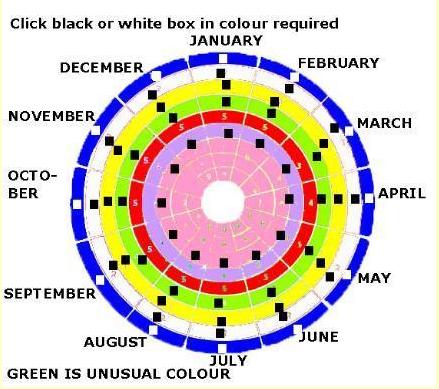
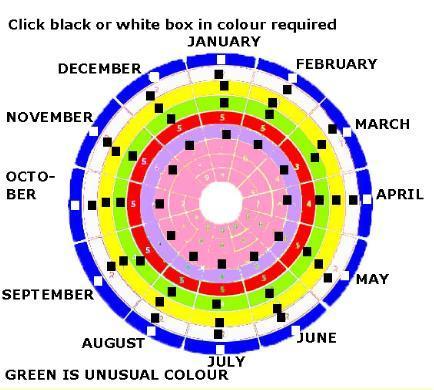
Click on Black or White box in Colour of Month. |
||||
then in February 2023, I am continuing to insert all the 1000 Groundcover Plants as indicated by followed by continuing to insert all the plants with flowers from Camera Photo Galleries as indicated by Next, I will continue to insert all the plants planted in chalk as indicated by then the following plants shall be added from
finally the above plants shall be compared in the Wildflower Shape Gallery - |
||||
Evergreen Perennials Height from Text Border in this Gallery |
||||
Brown = |
Blue = |
Green = |
Red = |
Black = |
Evergreen Perennials Soil Moisture from Text Background in this Gallery |
||||
|
Wet Soil |
Moist Soil |
Dry Soil |
|
The Plant Height Border in this Gallery has changed from :-
|
||||
Flowering months range abreviates month to its first 3 letters (Apr-Jun is April, May and June). |
||||
UKButterflies Larval Foodplants website page lists the larval foodplants used by British butterflies. The name of each foodplant links to a Google search. An indication of whether the foodplant is a primary or secondary food source is also given. Please note that the Butterfly you see for only a short time has grown up on plants as an egg, caterpillar and chrysalis for up to 11 months, before becoming a butterfly. If the plants that they live on during that time are removed, or sprayed with herbicide, then you will not see the butterfly. |
||||
Plants used by the Butterflies follow the Plants used by the Egg, Caterpillar and Chrysalis as stated in |
||||
Plant Name |
Butterfly Name |
Egg/ Caterpillar/ Chrysalis/ Butterfly |
Plant Usage |
Plant Usage Months |
Egg, |
1 egg under leaf. |
10 days in May-June |
||
Egg, |
Eggs laid in batches encircling the branch of the food plant. |
Hatches after 18-22 days in April. |
||
Egg, |
Groups of eggs on upper side of leaf. |
- |
||
Egg, |
1 egg at base of plant. |
Late August-April |
||
Egg, |
Groups of eggs on upper side of leaf. |
- |
||
Egg, |
1 egg laid on underside of leaflets or bracts. |
7 days in June. |
||
Egg, |
1 egg laid on underside of leaflets or bracts. |
7 days in June. |
||
Egg, |
1 egg laid under the leaf or on top of the flower. |
7 days in August. |
||
Egg, |
1 egg on underside of a flower bud on its stalk. |
7 days. |
||
Egg, |
1 egg on underside of a flower bud on its stalk. |
7 days. |
||
Egg, |
1 egg under leaf. |
10 days in May-June. |
||
Egg, |
1 egg on leaf. |
2 weeks |
||
Cabbages - Large White eats all cruciferous plants, such as cabbages, mustard, turnips, radishes, cresses, nasturtiums, wild mignonette and dyer's weed |
Egg,
|
40-100 eggs on both surfaces of leaf. |
May-June and August-Early September. 4.5-17 days. |
|
Egg, |
1 egg on underside of leaf. |
May-June and August. 7 days. |
||
Cabbages:- |
Egg, |
1 egg on underside of leaf. |
July or August; hatches in 3 days. |
|
Cabbages:- |
Egg, |
1 egg laid in the tight buds and flowers. |
May-June 7 days. |
|
Cherry with |
Egg, |
Eggs laid in batches encircling the branch of the food plant. |
Hatches after 18-22 days in April. |
|
Egg, |
Groups of eggs on upper side of leaf. |
- |
||
Egg, |
1 egg on leaf. |
10 days in May-June. |
||
Egg, |
1 egg on leaf. |
6 days in May-June. |
||
Egg, |
1 egg under leaf. |
|
||
|
(Common CowWheat, Field CowWheat) |
Egg, |
Eggs laid in batches on the under side of the leaves. |
Hatches after 16 days in June. |
|
Currants |
Egg, |
Groups of eggs on upper side of leaf. |
|
|
Egg, |
Eggs laid in batches on the under side of the leaves. |
Hatches after 20 days in July. |
||
Dog Violet with |
Egg, |
1 egg on oak or pine tree trunk |
15 days in July. |
|
Dog Violet with |
Egg, |
1 egg on leaf or stem. |
Hatches after 15 days in May-June. |
|
Dog Violet with |
Egg, |
1 egg on leaf or stem. |
Hatches after 10 days in May-June. |
|
Egg, |
1 egg on underside of a flower bud on its stalk. |
7 days. |
||
Egg, |
Eggs laid in batches encircling the branch of the food plant. |
Hatches after 18-22 days in April. |
||
False Brome is a grass (Wood Brome, Wood False-brome and Slender False-brome) |
Egg, |
1 egg under leaf. |
... |
|
Egg, |
Eggs laid in batches on the under side of the leaves. |
Hatches after 20 days in July. |
||
Egg, |
1 egg laid on underside of leaflets or bracts. |
7 days in June. |
||
Egg, |
1 egg on leaf or stem. |
Hatches after 10 days in May-June. |
||
Egg, |
1 egg on underside of a flower bud on its stalk. |
7 days. |
||
Egg, |
1 egg laid under the leaf or on top of the flower. |
7 days in August. |
||
Egg, |
1 egg on leaf. 5 or 6 eggs may be deposited by separate females on one leaf. |
14 days in July-August. |
||
Egg, |
1 egg on underside of a flower bud on its stalk. |
7 days. |
||
Egg, |
1 egg laid in the tight buds and flowers. |
May-June 7 days. |
||
Egg, |
Eggs laid in batches on the under side of the leaves. |
Hatches after 20 days in July. |
||
Egg, |
Groups of eggs on upper side of leaf. |
|
||
Egg, |
1 egg under leaf. |
1 then |
||
Egg, |
1 egg on underside of a flower bud on its stalk. |
7 days. |
||
Egg, |
1 egg at base of plant. |
Late August-April. |
||
Egg, |
1 egg on leaf. |
10 days in May-June. |
||
Egg, |
1 egg on leaf. |
2 weeks |
||
Egg, |
1 egg on leaf. |
6 days in May-June. |
||
Egg, |
1 egg on underside of leaf. |
May-June and August. 7 days. |
||
Egg, |
1 egg on leaf. 5 or 6 eggs may be deposited by separate females on one leaf. |
14 days in July-August. |
||
Narrow-leaved Plantain (Ribwort Plantain) |
Egg, |
Eggs laid in batches on the under side of the leaves. |
Hatches after 16 days in June. |
|
Narrow-leaved Plantain (Ribwort Plantain) |
Egg, |
Eggs laid in batches on the under side of the leaves. |
Hatches after 16 days in June. |
|
Nasturtium from Gardens |
Egg, |
1 egg on underside of leaf. |
May-June and August. 7 days. |
|
Egg, |
1 egg on tree trunk |
15 days in July. |
||
Mountain pansy, |
Egg, Chrysalis |
1 egg laid under the leaf or on top of the flower. |
7 days in August. 3 weeks in September |
|
Egg, |
1 egg on tree trunk. |
15 days in July. |
||
Egg, |
Eggs laid in batches on the under side of the leaves. |
Hatches after 20 days in July. |
||
Egg, |
Eggs laid in batches encircling the branch of the food plant. |
Hatches after 18-22 days in April. |
||
Egg, |
Groups of eggs on upper side of leaf. |
- |
||
Egg, |
1 egg under leaf. |
|
||
Egg, |
1 egg laid under the leaf or on top of the flower. |
7 days in August. |
||
Egg, |
Eggs laid in batches encircling the branch of the food plant. |
Hatches after 18-22 days in April. |
||
Egg, |
Eggs laid in batches on the under side of the leaves. |
Hatches after 16 days in June. |
||
Egg, |
1 egg on underside of a flower bud on its stalk. |
7 days. |
||
Egg, |
1 egg on underside of a flower bud on its stalk. |
7 days. |
||
Egg, |
Groups of eggs on upper side of leaf. |
|
||
Egg, |
1 egg under leaf. |
|
||
Egg, |
1 egg on leaf. |
2 weeks |
||
Trefoils 1, 2, 3 |
Egg, |
1 egg on leaf. |
6 days in May-June. |
|
Egg, |
Groups of eggs on upper side of leaf. |
- |
||
Egg, |
1 egg laid on underside of leaflets or bracts. |
7 days in June. |
||
Violets:- |
Egg, |
1 egg on underside of leaf or on stalk. |
July-August for 17 days. |
|
Violets:- |
Egg, |
1 egg on stem or stalk near plant base. |
July to hatch in 8 months in March. |
|
Egg, |
1 egg on leaf. |
2 weeks. |
||
Egg, |
Eggs laid in batches encircling the branch of the food plant. |
Hatches after 18-22 days in April. |
||
Egg, |
1 egg on leaf. 5 or 6 eggs may be deposited by separate females on one leaf. |
14 days in July-August. |
||
Willow |
Egg, |
Eggs laid in batches encircling the branch of the food plant. |
Hatches after 18-22 days in April. |
|
Egg, |
Eggs laid in batches on the under side of the leaves. |
Hatches after 20 days in July. |
||
Plants used by the Butterflies |
||||
Plant Name |
Butterfly Name |
Egg/ Caterpillar/ Chrysalis/ Butterfly |
Plant Usage |
Plant Usage Months |
Asters |
Butterfly |
Eats nectar. |
|
|
Runner and Broad Beans in fields and gardens |
Butterfly |
Eats nectar |
April-June or July-September. |
|
Aubretia in gardens |
Butterfly |
Eats nectar |
May-June or August till killed by frost and damp in September-November |
|
Butterfly |
Eats sap exuding from trunk. |
April-Mid June and Mid July-Early September for second generation. |
||
Butterfly |
Eats nectar. |
20 days. |
||
Butterfly |
Eats nectar |
May-June |
||
Holly Blue |
Butterfly |
Eats nectar |
April-Mid June and Mid July-Early September for second generation. |
|
Butterfly |
Eats nectar. |
July-October. |
||
Buddleias |
Butterfly |
Eats nectar. |
July-October. |
|
Wood White |
Butterfly |
Eats nectar |
May-June. |
|
Cabbage and cabbages in fields |
Butterfly |
Eats nectar |
April-June or July-September. |
|
Butterfly |
Eats nectar |
July-October |
||
Adonis Blue |
Butterfly |
Eats nectar. |
1 Month during Mid-May to Mid-June or during August-September |
|
Pale Clouded Yellow |
Butterfly |
Eats nectar |
May-June or August till killed by frost and damp in September-November |
|
Cow-wheat |
Butterfly |
Eats nectar |
June-July |
|
Butterfly |
Eats nectar |
May-June |
||
Butterfly |
Eats nectar |
April-Mid June and Mid July-Early September for second generation. |
||
Butterfly |
Eats nectar. |
3 weeks between May and September |
||
Germander Speedwell (Veronica chamaedrys - Birdseye Speedwell) |
Butterfly |
Eats nectar |
June-July |
|
Butterfly |
Eats nectar. |
July-October. |
||
Butterfly |
Eats nectar |
30 days in May-June. |
||
Butterfly |
Eats nectar |
May-September |
||
Butterfly |
Eats nectar. |
May-June for 18 days. |
||
Butterfly |
Eats nectar. |
July-October |
||
Butterfly |
Eats nectar. |
1 Month. |
||
Butterfly |
Eats nectar. |
July-October. |
||
Painted Lady |
Butterfly |
Eats nectar |
July-October. |
|
Marigolds in gardens |
Butterfly |
Eats nectar |
May-June or August till killed by frost and damp in September-November |
|
Butterfly |
Eats nectar. |
1 Month during Mid-May to Mid-June or during August-September. |
||
Michaelmas Daisies |
Butterfly |
Eats nectar. |
July-October |
|
Butterfly |
Eats nectar |
April-June or July-September. |
||
Narrow-leaved Plantain (Ribwort Plantain) |
Butterfly |
Eats nectar |
June-July |
|
Nasturtiums in gardens |
Butterfly |
Eats nectar |
April-June or July-September |
|
Butterfly |
Eats sap exuding from trunk. |
April-Mid June and Mid July-Early September for second generation. |
||
Butterfly |
Eats nectar |
June. |
||
Butterfly |
Eats nectar |
May-June. |
||
Butterfly |
Eats nectar |
July-October. |
||
Butterfly |
Eats nectar |
July-May |
||
Butterfly |
Eats nectar |
7 weeks in July-August. |
||
Comma |
Butterfly |
Eats nectar. |
July-October. |
|
Butterfly |
Eats nectar. |
3 weeks between May and September |
||
Trefoils 1, 2, 3 |
Butterfly |
Eats nectar. |
1 Month during Mid-May to Mid-June or during August-September |
|
Butterfly |
Eats nectar. |
20 days in August. |
||
Butterfly |
Eats nectar |
June.
|
||
Butterfly |
Eats nectar |
June-July |
||
Apple/Pear/Cherry/Plum Fruit Tree Blossom in Spring |
Butterfly |
Eats Nectar |
April-May |
|
Rotten Fruit |
Butterfly |
Drinks juice |
July-September |
|
Tree sap and damaged ripe fruit, which are high in sugar |
Butterfly |
Hibernates inside hollow trees or outhouses until March. Eats sap or fruit juice until April. |
10 months in June-April |
|
Wild Flowers |
Large Skipper |
Butterfly |
Eats Nectar |
June-August |
Links to the other Butterflies:- Black Hairstreak |
Topic - Wildlife on Plant Photo Gallery. Some UK native butterflies eat material from UK Native Wildflowers and live on them as eggs, caterpillars (Large Skipper eats False Brome grass - Brachypodium sylvaticum - for 11 months from July to May as a Caterpillar before becoming a Chrysalis within 3 weeks in May) chrysalis or butterflies ALL YEAR ROUND. |
Wild Flower Family Page (the families within "The Pocket Guide to Wild Flowers" by David McClintock & R.S.R. Fitter, Published in 1956 They are not in Common Name alphabetical order and neither are the common names of the plants detailed within each family. The information in the above book is back-referenced to the respective page in "Flora of the British Isles" by A.R. Clapham of University of Sheffield, |
||
When you look at the life history graphs of each of the 68 butterflies of Britain, you will see that they use plants throughout all 12 months - the information of what plant is used by the egg, caterpillar, chrysalis or butterfly is also given in the above first column.
THE LIFE AND DEATH OF A FLAILED CORNISH HEDGE - This details that life and death from July 1972 to 2019, with the following result:- End note, June 2008. I hear spring vetch has been officially recorded somewhere in West Cornwall and confirmed as a presence in the county, so perhaps I can be permitted to have seen it pre-1972 in the survey mile. I wonder where they found it? It's gone from hedges where it used to be, along with other scarcities and so-called scarcities that used to flourish in so many hedges unrecorded, before the flail arrived. I have given careful thought to including mention of some of the plants and butterflies. So little seems to be known of the species resident in Cornish hedges pre-flail that I realise some references may invite scepticism. I am a sceptic myself, so sympathise with the reaction; but I have concluded that, with a view to re-establishing vulnerable species, it needs to be known that they can with the right management safely and perpetually thrive in ordinary Cornish hedges. In future this knowledge could solve the increasingly difficult question of sufficient and suitable sites for sustainable wild flower and butterfly conservation - as long as it is a future in which the hedge-flail does not figure.
CHECK-LIST OF TYPES OF CORNISH HEDGE FLORA by Sarah Carter of Cornish Hedges Library:-
Titles of papers available on www.cornishhedges.co.uk:-
THE GUILD OF CORNISH HEDGERS is the non-profit-making organisation founded in 2002 to support the concern among traditional hedgers about poor standards of workmanship in Cornish hedging today. The Guild has raised public awareness of Cornwall's unique heritage of hedges and promoted free access to the Cornish Hedges Library, the only existing source of full and reliable written knowledge on Cornish hedges." |
||||
|
|||||||||||||||||||||||||||||||||||||||||||||||||||||||||||||||||||||||||||||||||||||||||||||||||||||||||||||||||||||||||||||||||||||||||||||||||||||||||||||||||||||||||||||||||||||||||||||||||||||||||||||||||||||||||||||||||||
Recommended Plants for Wildlife in different situations
|
|||||||||||||||||||||||||||||||||||||||||||||||||||||||||||||||||||||||||||||||||||||||||||||||||||||||||||||||||||||||||||||||||||||||||||||||||||||||||||||||||||||||||||||||||||||||||||||||||||||||||||||||||||||||||||||||||||
From the Ivydene Gardens Box to Crowberry Wild Flower Families Gallery: |
|
||||||||||||||||||||||||||||||||||||||||||||||||||||||||||||||||||||||||||||||||||||||||||||||||||||||||||||||||||||||||||||||||||||||||||||||||||||||||||||||||||||||||||||||||||||||||||||||||||||||||||||||||||||||||||||||||||
The Bumblebee Pages website is divided into five major areas:
FORCED INDOOR BULBS in Window Box Gardens. |
|
||||||||||||||||||||||||||||||||||||||||||||||||||||||||||||||||||||||||||||||||||||||||||||||||||||||||||||||||||||||||||||||||||||||||||||||||||||||||||||||||||||||||||||||||||||||||||||||||||||||||||||||||||||||||||||||||||
Theme |
Plants |
Comments |
|
||||||||||||||||||||||||||||||||||||||||||||||||||||||||||||||||||||||||||||||||||||||||||||||||||||||||||||||||||||||||||||||||||||||||||||||||||||||||||||||||||||||||||||||||||||||||||||||||||||||||||||||||||||||||||||||||
Thyme |
Thymus praecox, wild thyme Thymus pulegioides Thymus leucotrichus Thymus citriodorus |
Thymes make a very fragrant, easy to care for windowbox, and an excellent choice for windy sites. The flower colour will be pinky/purple, and you can eat the leaves if your air is not too polluted. Try to get one variegated thyme to add a little colour when there are no flowers. |
|
||||||||||||||||||||||||||||||||||||||||||||||||||||||||||||||||||||||||||||||||||||||||||||||||||||||||||||||||||||||||||||||||||||||||||||||||||||||||||||||||||||||||||||||||||||||||||||||||||||||||||||||||||||||||||||||||
Herb |
Sage, mint, chives, thyme, rosemary |
Get the plants from the herb section of the supermarket, so you can eat the leaves. Do not include basil as it need greater fertility than the others. Pot the rosemary up separately if it grows too large. |
|
||||||||||||||||||||||||||||||||||||||||||||||||||||||||||||||||||||||||||||||||||||||||||||||||||||||||||||||||||||||||||||||||||||||||||||||||||||||||||||||||||||||||||||||||||||||||||||||||||||||||||||||||||||||||||||||||
Mints |
Mentha longifolia, horse mint Mentha spicata, spear mint Mentha pulgium, pennyroyal Mentha piperita, peppermint Mentha suaveolens, apple mint |
Mints are fairly fast growers, so you could start this box with seed. They are thugs, though, and will very soon be fighting for space. So you will either have to thin and cut back or else you will end up with one species - the strongest. The very best mint tea I ever had was in Marrakesh. A glass full of fresh mint was placed in front of me, and boiling water was poured into it. Then I was given a cube of sugar to hold between my teeth while I sipped the tea. Plant this box and you can have mint tea for months. |
|
||||||||||||||||||||||||||||||||||||||||||||||||||||||||||||||||||||||||||||||||||||||||||||||||||||||||||||||||||||||||||||||||||||||||||||||||||||||||||||||||||||||||||||||||||||||||||||||||||||||||||||||||||||||||||||||||
Heather |
Too many to list See Heather Shrub gallery |
For year-round colour try to plant varieties that flower at different times of year. Heather requires acid soils, so fertilise with an ericaceous fertilser, and plant in ericaceous compost. Cut back after flowering and remove the cuttings. It is best to buy plants as heather is slow growing. |
|
||||||||||||||||||||||||||||||||||||||||||||||||||||||||||||||||||||||||||||||||||||||||||||||||||||||||||||||||||||||||||||||||||||||||||||||||||||||||||||||||||||||||||||||||||||||||||||||||||||||||||||||||||||||||||||||||
Blue |
Ajuga reptans, bugle Endymion non-scriptus, bluebell Myosotis spp., forget-me-not Pentaglottis sempervirens, alkanet |
This will give you flowers from March till July. The bluebells should be bought as bulbs, as seed will take a few years to flower. The others can be started from seed. |
|
||||||||||||||||||||||||||||||||||||||||||||||||||||||||||||||||||||||||||||||||||||||||||||||||||||||||||||||||||||||||||||||||||||||||||||||||||||||||||||||||||||||||||||||||||||||||||||||||||||||||||||||||||||||||||||||||
Yellow |
Anthyllis vulneraria, kidney vetch Geum urbanum, wood avens Lathryus pratensis, meadow vetchling Linaria vulgaris, toadflax Lotus corniculatus, birdsfoot trefoil Primula vulgaris, primrose Ranunculus acris, meadow buttercup Ranunculus ficaria, lesser celandine |
These will give you flowers from May to October, and if you include the primrose, from February. Try to include a vetch as they can climb or trail so occupy the space that other plants can't. All can be grown from seed. |
|
||||||||||||||||||||||||||||||||||||||||||||||||||||||||||||||||||||||||||||||||||||||||||||||||||||||||||||||||||||||||||||||||||||||||||||||||||||||||||||||||||||||||||||||||||||||||||||||||||||||||||||||||||||||||||||||||
White |
Trifolium repens, white clover Bellis perennis, daisy Digitalis purpurea alba, white foxglove Alyssum maritimum Redsea odorata, mignonette |
All can be grown from seed. The clover and daisy will have to be cut back as they will take over. The clover roots add nitrogen to the soil. The mignonette flower doesn't look very special, but the fragrance is wonderful, and the alyssum smells of honey. |
|
||||||||||||||||||||||||||||||||||||||||||||||||||||||||||||||||||||||||||||||||||||||||||||||||||||||||||||||||||||||||||||||||||||||||||||||||||||||||||||||||||||||||||||||||||||||||||||||||||||||||||||||||||||||||||||||||
Pink |
Lychnis flos-cucli, ragged robin Scabiosa columbaria, small scabious Symphytum officinale, comfrey |
The comfrey will try to take over. Its leaves make an excellent fertiliser, and are very good on the compost heap, though windowbox gardeners rarely have one. |
|
||||||||||||||||||||||||||||||||||||||||||||||||||||||||||||||||||||||||||||||||||||||||||||||||||||||||||||||||||||||||||||||||||||||||||||||||||||||||||||||||||||||||||||||||||||||||||||||||||||||||||||||||||||||||||||||||
Fragrant |
Lonicera spp., honeysuckle Alyssum maritimum Redsea odorata, mignonette Lathyrus odoratus, sweet pea |
The sweet pea will need twine or something to climb up, so is suitable if you have sliding windows or window that open inwards. You will be rewarded by a fragrant curtain every time you open your window. |
|
||||||||||||||||||||||||||||||||||||||||||||||||||||||||||||||||||||||||||||||||||||||||||||||||||||||||||||||||||||||||||||||||||||||||||||||||||||||||||||||||||||||||||||||||||||||||||||||||||||||||||||||||||||||||||||||||
Spring bulbs and late wildflowers |
Galanthus nivalis, snowdrop Narcissus pseudonarcissus, narcissius Crocus purpureus, crocus Cyclamen spp. |
The idea of this box is to maximize your space. The bulbs (cyclamen has a corm) will flower and do their stuff early in the year. After flowering cut the heads off as you don't want them making seed, but leave the leaves as they fatten up the bulbs to store energy for next year. The foliage of the wildflowers will hide the bulb leaves to some extent. Then the wildflowers take over and flower till autumn |
|
||||||||||||||||||||||||||||||||||||||||||||||||||||||||||||||||||||||||||||||||||||||||||||||||||||||||||||||||||||||||||||||||||||||||||||||||||||||||||||||||||||||||||||||||||||||||||||||||||||||||||||||||||||||||||||||||
Aster spp., Michaelmas daisy Linaria vulgaris, toadflax Lonicera spp., honeysuckle Succisa pratensis, devil's bit scabious Mentha pulgium, pennyroyal |
|
||||||||||||||||||||||||||||||||||||||||||||||||||||||||||||||||||||||||||||||||||||||||||||||||||||||||||||||||||||||||||||||||||||||||||||||||||||||||||||||||||||||||||||||||||||||||||||||||||||||||||||||||||||||||||||||||||
|
|
|
|||||||||||||||||||||||||||||||||||||||||||||||||||||||||||||||||||||||||||||||||||||||||||||||||||||||||||||||||||||||||||||||||||||||||||||||||||||||||||||||||||||||||||||||||||||||||||||||||||||||||||||||||||||||||||||||||
Bee Garden in Europe or North America |
|
|
|
||||||||||||||||||||||||||||||||||||||||||||||||||||||||||||||||||||||||||||||||||||||||||||||||||||||||||||||||||||||||||||||||||||||||||||||||||||||||||||||||||||||||||||||||||||||||||||||||||||||||||||||||||||||||||||||||
|
|
||||||||||||||||||||||||||||||||||||||||||||||||||||||||||||||||||||||||||||||||||||||||||||||||||||||||||||||||||||||||||||||||||||||||||||||||||||||||||||||||||||||||||||||||||||||||||||||||||||||||||||||||||||||||||||||||||
|
|
||||||||||||||||||||||||||||||||||||||||||||||||||||||||||||||||||||||||||||||||||||||||||||||||||||||||||||||||||||||||||||||||||||||||||||||||||||||||||||||||||||||||||||||||||||||||||||||||||||||||||||||||||||||||||||||||||
|
|
||||||||||||||||||||||||||||||||||||||||||||||||||||||||||||||||||||||||||||||||||||||||||||||||||||||||||||||||||||||||||||||||||||||||||||||||||||||||||||||||||||||||||||||||||||||||||||||||||||||||||||||||||||||||||||||||||
Plants for moths (including larval food plants and adult nectar sources) from Gardens for Wildlife - Practical advice on how to attract wildlife to your garden by Martin Walters as an Aura Garden Guide. Published in 2007 - ISBN 978 1905765041:- |
Marjoram - Origanum officinale |
|
|||||||||||||||||||||||||||||||||||||||||||||||||||||||||||||||||||||||||||||||||||||||||||||||||||||||||||||||||||||||||||||||||||||||||||||||||||||||||||||||||||||||||||||||||||||||||||||||||||||||||||||||||||||||||||||||||
Wildlife-friendly Show Gardens
Many of our gardens at Natural Surroundings demonstrate what you can do at home to encourage wildlife in your garden. Follow the links below to explore our show gardens, and when you visit, be sure to pick up a copy of our Wildlife Gardening Trail guide
|
|||||||||||||||||||||||||||||||||||||||||||||||||||||||||||||||||||||||||||||||||||||||||||||||||||||||||||||||||||||||||||||||||||||||||||||||||||||||||||||||||||||||||||||||||||||||||||||||||||||||||||||||||||||||||||||||||||


Ivydene Gardens Water Fern to Yew Wild Flower Families Gallery: |
Only Wildflowers detailed in the following Wildflower Colour Pages |
|
|||||||||||||||
Jan |
Feb |
Mar |
Apr |
May |
Jun |
Jul |
Aug |
Sep |
Oct |
Nov |
Dec |
||||||
1 |
Blue |
||||||||||||||||
1 |
|||||||||||||||||
1 |
Cream |
||||||||||||||||
1 |
|||||||||||||||||
1 |
|||||||||||||||||
1 |
|||||||||||||||||
1 |
|||||||||||||||||
1 |
|||||||||||||||||
1 |
|||||||||||||||||
1 |
|||||||||||||||||
1 |
White A-D |
||||||||||||||||
1 Yellow |
|||||||||||||||||
1 |
|||||||||||||||||
1 |
|||||||||||||||||
1 |
|||||||||||||||||
1 |
Flowering plants of |
||||||||||||||||
1 |
Flowering plants of |
||||||||||||||||
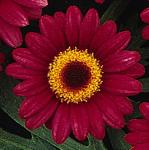 Disc - Many daisies are easy to grow and very free-flowering. The typical colour contrast between the disc and the surrounding rays creates a lively effect
  Floret is a small or reduced flower, especially 1 of a cluster in a composite flower - such as the florets of a sunflower (The very small flowers in a ring inside the yellow petals of
