Ivydene Gardens Stage 2 - Infill3 Plants Index Gallery: |
Ivydene Gardens Stage 2 - Infill3 Plants Index Gallery: |
||||||||
Botanical Plant Name with link to |
Flower Colour Sun Aspect of Full Sun, with link to external website for photo/data |
Flowering Months with link to |
Height with Spacings or Width (W) in inches (cms) 1 inch = |
Foliage Colour followed by with link to Australia or New Zealand mail-order supplier
with data for rows in |
Plant Type is:-
followed by:-
with links to |
Use Description |
Pruning Training Average Height and spread 10 years 20 years Problems |
Similar Forms of Interest
|
Acacia (Hardy Forms) |
Yellow flowers in clusters or racemes, produced late winter and through spring. Normally fragrant, depending on variety |
|
|
Grey-green |
Fastest covering Climbers and Wall Shrubs Tr E Does best in light, well-drained soil. Severe alkaline conditions will cause chlorosis. |
Use - As a freestanding, upright or fan-trained tree against very sheltered large wall, where they gain from the protection. Making an attractive specimen on the patio in a roomy container, Acacia armata also makes an ideal conservatory plant if you have room. Foliage - Attractive grey-green, cut-leaved foliage 6-10 inches (15-25 cms) long and 6-8 inches (15-20 cms) wide. Stem - Blue tinged grey/green, fast growing. Adapts to training. |
Pruning - None except for training in a fan or upright shape. Training - Will require fixing to wires or individual anchor points.
Height/spread 10 years - 132 x 132 (340 x 340) freestanding 20 years - 168 x 168 (430 x 430) freestanding Protrudes up to 36 inches (91 cms) from support if fan-trained, 156 inches (400 cms) untrained.
Problems - May rarely survive outside the mildest areas in the UK. Tolerates a minimum winter temperature of 23 degrees Fahrenheit (-5 degrees Centigrade) but some terminal stem damage may be caused in severe wind chill conditions. |
Acacia armata (Kangaroo thorn). Profuse yellow flowers over the entire branches in Feb-May. Small prickles and small dissected leaves. Large bushy habit, reaching tree proportions in very favourable areas. Noxious weed in California, USA. Acacia baileyana (Cootamundra wattle). Glaucous, cut leaved foliage and bright yellow racemes of flowers in Dec-Apr. Two thirds average height and spread. Requires glasshouse conditions in UK. Acacia dealbata (Silver wattle, mimosa). Fern-like, silver-green foliage, masses of yellow flowers in Jan-Apr. One of the hardest forms. Requires glasshouse conditions in UK. |
Acer negundo is Box elder, Ashleaf maple |
Pendent, 2-4 inches (5-10 cms) long sulphur-yellow, fluffy flowers appear before the leaves. These flowers appear in pendant clusters in spring on separate male and female trees. Flowers are not showy. Female flowers give way to fruits (samaras) which mature in fall and often persist on the tree well into winter. Fruiting can be abundant. |
Apr |
360-600 x 360-600 |
Light Green turning yellow in the autumn |
Fastest covering Climbers and Wall Shrubs Tr D Native UK tree and native American tree. Does well on all soil types, except very dry where it may survive but may not thrive. Severely alkaline soils may cause chlorosis. Tolerates a moderately exposed aspect in full sun or light to mid shade. |
Use - As a fan-trained tree for large walls, as a shade tree and as a hedge. Foliage - Light green pinnate leaves, 6-8 inches (15-20 cms) wide and long, with three to five and sometimes up to nine leaflets. Some varieties with pink, gold or white variegation. Soft texture; slightly pendulous habit. Good yellow autumn colour. Stem - Light to mid green, grey/green with downy texture when young. Upright at first, becoming more branching with age. Medium to fast rate of growth. Fruit - Pendent, 3 inch (7.5 cms) long winged fruits, grey/green when young, ageing to light yellow-brown. On mature trees seed can be plentiful. |
Pruning - Cut young trees hard back to within 18 inches (45 cms) of their base in spring following planting. Select resulting five to seven shoots and tie into a fan-trained shape. In subsequent years remove all side and forward growths back to 2 inch (5 cms) from their origin but maintain and encourage main branches in fan shape. Training - Will require tying to wires or individual anchor points. Height/spread Tolerates a minimum winter temperature of 0 degrees Fahrenheit (-18 degrees Centigrade). Intolerant of shade. |
Acer negundo 'Auratum'. Golden-yellow foliage from spring through summer. Slightly smaller than average. Acer negundo californicum. A green-leaved form with pink, pendulous fruits. Less hardy than most. Acer negundo 'Elegans' (Acer negundo 'Elegantissima'). Variegated foliage with yellow edges. Slightly less than average height and spread. Acer negundo 'Flamingo'. Pale to rosy pink variegated leaves at tips of all new rowths from late spring, through early summer and often into autumn. Mature leaves variegated white. Acer negundo 'Variegatum' (Acer negundo 'Argenteovariegatum'). Broad, white leaf margins but likely to revert to green. Acer negundo violaceum. Young shoots purple to violet and covered with white bloom. Long, pendent pink flower tassels in spring. Good autumn colours. Slightly less hardy. May have to be bought from specialist nurseries. |
Acer palmatum f. atropurpureum is Japanese Maple |
Tiny purple star-shaped flowers |
We ship our seeds worldwide via Canada Post. |
240 x 200 |
Deeply lobed dark purple-red leaves that turn fiery red in autumn. |
Wall Shrubs for The Prime Site Tr D Grow best in partly shaded situations and fertile, moist, well-drained neutral to acid rich soil. |
Use - As a freestanding, upright or fan-trained deciduous tree. It also looks good in a container. Acer palmatums benefit from shelter from fierce winds and cold in early spring as bad weather can burn the young leaves. It is slow growing with many different leaf forms and colours; all turn to brilliant reds in autumn. Foliage - Deeply indented, pointed leaves of a deep maroon-purple. |
Pruning - Add a top-dressing of a well-balanced fertiliser around the base of a recently planted tree in late spring and keep it well watered. No routine pruning is required, just remove any dead, damaged or crossing branches in late autumn or winter when they are fully dormant. |
Acer japonicum aureum. Soft yellow leaves. Acer dissectum palmatifidum. Very finely cut leaves. Acer palmatum var. dissectum variegatum - with photos of other Acer Palmatums you could also use as a Wall Shrub for The Prime Site. Slightly variegated, cream and pink. |
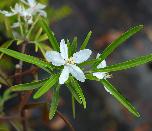
Acradenia frankliniae is Whitey Wood |
Flat-topped clusters of small, white 6 or 7 petals in each flower, each posy is 5cm (2 inches) across. |
Apr-May |
120 x 60 |
Wall Shrubs for The Prime Site Sh E Fertile, moist, well-drained, neutral to acid soil. The habitat is the rainforest floor, often found near streams. |
Use - As an evergreen wall shrub fan-trained for milder areas, best with shelter and some shade. It has grown well in our woodland gardens for many years and is generally hardy if sheltered from strong winds. It can also be grown in a large container if required. Foliage - The opposite, paired leaves, 7cm (3 inches) long, are each made up of 3 narrow dark leaflets. They are dotted with pin-point oil glands and are aromatic when crushed. |
Problems - Hardy through most of the UK apart from inland valleys, at altitude and central/northerly locations. May suffer foliage damage and stem dieback in harsh winters in cold gardens. Plant can withstand temperatures down to -10°C (14°F). |
|
|
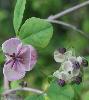
Akebia quinata is Chocolate vine |
Pendent racemes 3-5 inches (7.5-12.5 cm) long of male flowers up to 0.25 inches (5mm) wide, pale purple in colour. Fragrant. Chocolate-purple female flowers, usually in pairs and 1-1.25 inches (2.5-3 cm). Needs some protection in exposed aspects. From light shade to full sun, but needs protection from strong, midday summer sun. |
Mar-May
|
After 10 years - 216 x 216 (550 x 550) |
Light to mid green giving good yellow autumn colour |
Twining Climber for Non-House Walls, Fences, Pergolas Cl D to E Tolerates most soil conditions except waterlogged. Good on alkaline types. |
Use - For growing up through other shrubs or small trees or against non-house walls and fences giving a display of unusual fruit, or in a conservatory or greenhouse. Foliage - 5 leaflets carried on a single stalk up to 3-5 inches 97.5-12 cm) long; each leaflet oblong to oval in shape, 1.5-3 inches (4-7.5 cm) long with short 1.5 inch (4 cm) stalk,; light to mid green giving good yellow autumn colour. Stem - Light green to grey green, loosely twining, wiry in nature. Medium to fast growing. Fruit - Attractive sausage-shaped grey/violet fruit, 2.5-3.5 inches (6-9 cm) long, splitting lengthwise when ripe. Produced in early autumn. |
Pruning - Allow to grow free; every 5 or 6 years lightly trim in early spring with hedging shears. Training - Leave to ramble over wires on walls and fences, or over shrubs and trees. Height/spread Problems - A little unruly in its habit. Flowers and fruit may be hidden both by its own foliage and that of the host it is climbing in. |
Akebia trifoliata (Akebia lobata). Some of these climbing plants will need trellis or wire supports if grown on walls or fences. Other grow aerial roots and are self-clinging - twining climber. Produces flowers in pendent racemes to 12cm (5in) long followed by fruit to 12cm (5in) long. |
Aucuba japonica is Japanese aucuba, spotted laurel, himalayan laurel and japanese laurel |
Small purple-red Flowers. Each variety carries either male or female flowers, which are similar in appearance; for fruiting, plants of both sexes are needed. Tolerates all aspects. Dislikes full sun, tolerates deep shade. |
Apr-May |
After 10 years - 84 x 84 (210 x 210) |
Dark, glossy, green. |
Evergreen Climbers and Wall Shrubs Sh E Tolerates almost any soil, including dry and alkaline. |
Use - As a freestanding or fan-trained shrub for large walls and fences in shady positions. This plant is valued for its ability to thrive in the most difficult of garden environments, dry shade. It also copes with pollution and salt-laden coastal winds. It is often seen as an informal hedge and used as evergreen screening. Foliage - Lanceolate, dark, glossy green leaves 3-8 inches (7.5-20 cm) long and 1-3 inches (2.5-7.5 cm) wide. Stem - Bright green and glossy. Strong, upright and branching, forming a round-topped shrub. Medium growth rate. Fruit - On female plants clusters of bright red round fruits appear in autumn and remain through winter and possibly into spring. Produced only if male plant grows nearby. |
Pruning - None required but may be cut back hard in spring to control size. Training - Allow to grow freestanding or fan-trained to wires or individual anchor points. Height/spread Problems - None, apart from wind chill hazard. The process of fan-training may be a slow operation. Tolerates a minimum winter temperature of 4 degrees Fahrenheit (-15 degrees Centigrade), although some foliage damage may be caused by severe wind chill or late spring frosts. |
Aucuba japonica 'Crotonifolia'. A slightly less vigorous variety with spotted and blotched golden leaves. Ideal as a privacy screen, windbreak and noise barrier. Aucuba japonica 'Golden Spangles'. Bright golden variegation. Aucuba japonica 'Mr Goldstrike'. A new golden variegated variety with red berries. Female plant. Aucuba japonica 'Picturata'. Dark green leaves boldly splashed chrome yellow, slightly less vigorous than Aucuba japonica. Male plant. Aucuba japonica 'Salicifolia'. A green-leaved form with very narrow, tooth-edged dark green foliage. Freely fruiting but not easy to find. Female plant. Aucuba japonica 'Variegata'. Leaves liberally splashed golden and yellow. One of the most variegated forms. Female plant. Aucuba japonica 'Variegata Gold Dust'. A very good form with golden variegated foliage and red berries in autumn. Female plant. |
Azara microphylla |
Numerous very small, vanilla-scented, yellow to yellow/green flowers carried in clusters at leaf joints between late winter and early spring. Flowering can be very variable in performance. Best in light to medium shade but will tolerate full sun if required as long as adequate moisture is available. Attractive to bees. |
Apr-May |
After 10 years - 96 x 60 (240 x 150) |
Small, obovate, entire or toothed, very dark green. Hardy through most of the UK apart from inland valleys, at altitude and central/northerly locations. May suffer foliage damage and stem dieback in harsh winters in cold gardens. |
Wall Shrubs for The Prime Site Sh E Soil - Tolerates a wide range of soil conditions, only disliking extremely wet or dry types. |
Use - As a freestanding or fan-trained shrub for large walls and fences offering attractive evergreen foliage and formation in a sheltered position. Foliage - Very attractive small oval leaflets, 1 inch (2.5 cm) long, round-ended, tooth-edges, dark shiny green, carried uniformly along branches in interesting formation. Stem - Light green to dark green, becoming grey/green. Upright, slow to medium growth rate. Responds well to fan-training. Fruit - None of interest. |
Pruning - Not normally required but can have individual limbs removed in spring if necessary for training. Training - Tie to wires or individual anchor points in a fan shape or llow to grow freestanding. Height/spread Problems - Can reach the dimensions of a small tree given time and this should be allowed for in initial planting - it is worth remembering what the factors are that cause subsidence of buildings, especially tree roots in clay soils. Tolerates a minimum winter temperature of 14 degrees Fahreheit (-10 degrees Centigrade). Late spring frost may damage new growth. |
Azara microphylla 'Variegata'. Edges of leaves creamy yellow. An interesting plant less hardy than its parent, so use in a conservatory. |
Bignonia capreolata (Doxantha capreolata) is Crossvine |
Long tubular flowers up to 2 inches 95 cms) long, yellow/red in colour, produced on stalks in clusters of 2 to5 in mid spring through to late summer, depending on planting location. Very sheltered aspect or under protection of greenhouse or conservatory. Light shade to full sun. Will tolerate deeper degree of shade but mau be shy to flower. |
This native plant to the USA is an early nectar source for butterflies and hummingbirds. |
After 10 years - 144 x 144 (370 x 370) |
Light green in colour. Yellow autumn colour. |
Self-Clinging Climber for Non-House Walls, Fences, Pergolas Cl E Light sandy soil although must have moisture retention. Neutral to acid. |
Use - As an extremely spectacular flowering evergreen climber for very sheltered walls or fences in the open or for scrambling over wires under greenhouse or conservatory roofs. Also may be grown along the ground as groundcover where there is no frost. Foliage - Oblong leaflets make up a branching leaf presented at the end of long stalks, light green in colour. Yellow autumn colour. Stem - Light green long tendrils, twisting but not self-clinging. Medium to fast growing. Fruit - Narrow capsules with leathery appearance, light grey/green in colour. |
Pruning - Trim in spring to keep in desired area. Training - Tie when young then allow to ramble over wires or other framework. Height/spread Problems - Its hardiness is often overstated and availability may be difficult. Tolerates a minimum winter temperature of 32 degrees Fahrenheit (0 degrees Centigrade). |
|
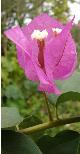
Bougainvillea spectabilis is Great bougainvillea |
Tubular white flowers surrounded by large magenta bracts, up to 1.5 inches (4 cm) wide and long, carried in panicles 9-12 inches (23-30 cm) long. Must be in a fully protected aspect. Best in full sun bt will tolerate light shade. |
The plant shows a versatility to climates which allows it to flower continually throughout the year. At Westdale Nurseries, we have been steadily collecting varieties of bougainvillea from all over the world for a number of years and we now have over 200 varieties. |
After 10 years - 144 x 144 (370 x 370) |
Climbers and Wall Shrubs needing or responding Cl D If grown in large containers a good quality potting compost should be used. If grown in soil, the latter should be lightened with the addition of 25 per cent sand and 25 per cent sedge peat. |
Use - Although in all but the mildest of areas in the Uk, bougainvillea is included in this gallery, for its use as a deciduous climber for conservatories and large greenhouse planted in large containers, or in greenhouse borders. Foliage - Pointed, oval, grey/green to dull green, 1.5 inches (4 cm) long by 0.75 inches (2 cm) wide. Normally leathery in texture. The plant can support itself on other plants by means of thorns carried in the leaf axils. Bougainvillea likes a climate from subtropical to tropical, but prefers a tropical climate, growing in dense forests where it can cling and grab onto other plants to reach the sunlight. Stem - Angular, branching, grey/green, stiff, vigorous. Medium to fast growth rate. |
Pruning - Prune all previous season's shoots, other than those needed to form a structure, back to 1 inch 92.5 cm) from the base annually in early spring. Training - Tie to wires or individual anchor points. Heght/spread Problems - Foliage may be attacked by insects such as red spider or whitefly. Roots often attacked by mealy bug. Proprietary controls should be used. Keep ventilation as open as possible, particularly in winter, but do not allow temperature to drop below 50 degrees Fahrenheit (10 degrees Centigrade), since that is its mimimum winter temperature. |
Bougainvillea spectabilis 'Lady Wilson'. Cerise flowers. Bougainvillea spectabilis lateritia. Brick-red bracts. Bougainvillea spectabilis lindleyana 'Mrs Loise Wathen' (syn. Bougainvillea spectabilis lindleyana 'Orange King'). Cinnamon-coloured bracts. Bougainvillea spectabilis 'Mrs Butt'. Bright rose bracts. All varieties are difficult to obtain outside very temperate areas.
|
|
Berberis x stenophylla is Barberry |
Small straw-yellow scented cup-shaped flowers and in autumn there are plentiful blue/black berries, which are attractive to birds. Full Sun, but is Part Shade tolerant |
Apr-May |
96 x 120-160 |
Small, narrow, dark green, young shoots purplish. |
Wall Shrubs for The Prime Site Sh E Tolerant of most moist soils and positions including coastal, other than very wet and windy places. |
Use - As a spring flowering evergreen wall shrub, an informal hedge or as a specimen. Vigorous spreading habit. Serious thorns and a dense habit make it a useful roosting, hiding and nesting place for birds and a thorny boundary hedge. Berberis can also be used in the rock garden. |
Prune after flowering if required. Training - Requires wires or individual anchor points to secure and encourage the fan-trained shape. CRC for Australian Weed Management is a publication on the introduced plants to Australia - Everyone who uses plants needs to be aware of the weed potential of those plants and to be able to make informed decisions about which ones to use in their operations. |
Berberis x stenophylla ‘Claret Cascade’ Rich orange flowers flushed scarlet, April and May, followed by small, blue-black berries. Small, narrow, dark green, young shoots purplish, evergreen. Height up to 2 metres. Spread about 2.5 metres. Berberis x stenophylla ‘Irwinii’ Deep yellow flowers in April and May. Small narrow, dark green, leaves, evergreen. Height a small arching shrub up to 1 metre. Spread about 1 metre. |
Buxus sempervirens 'Suffruticosa' is Edging Box, Boxwood |
Dwarf Box plants do flower but, as there are no petals, you will probably only notice the bees that it attracts. Rabbits and deer do not eat box. Tolerates full sun but it affects foliage appearance, so Part Shade is best |
36 x 60 |
Green leaves 1-2 cm in length, ovate, fairly glossy. |
Wall Shrubs for The Prime Site Sh E It will tolerate any well drained soil and can grow near the sea. |
Use - Excellent as a hedge/ edging shrub, and especially for box parterres and knot gardens. Typically only grows to a maximum of one or two feet in height but there will be some exceptions. - compact and very slow-growing (1-2 inches (3-5 cms) a year). Dwarf box is most commonly used for precisely clipped, knee-high decorative borders; it is sometime called Edging Box. It also looks good in a pot, trimmed into a neat geometric shape and as groundcover. Dwarf box hedging plants are usually planted at 5 to 8 plants to the metre (20 to 12cm spacing). 6 plants per metre is probably the commonest spacing. The dwarf box hedge will look the same in the end, whatever the spacing in this range. The closer spacings may be chosen if relatively small hedging plants are required to form a complete hedge relatively quickly. Buxus sempervirens 'Suffruticosa' can be planted at any time when the ground is workable. Container grown plants are generally used where the plants may be kept for some time before planting, and in summer. |
Pruning - Prune your dwarf box hedge in August or September with topiary shears. Avoid cultivating around these plants because they have shallow roots. Problems - Hardy in most places throughout the UK even in severe winters. May not withstand open/exposed sites or central/northern locations. Plant can withstand temperatures down to -15°C (5°F). |
Companion Plants. |
|
Camellia japonica The American Camellia Society is a national membership
International Camellia Society |
Semi-double, blood-red flowers. A sheltered sunless aspect. It prefers light to mid shade, dislikes full sun. Galleries of images of Camellias by Jim |
Feb-Apr Camellias are one of the three large tribes of trees and shrubs that dominate many Cornish gardens, the others being Rhododendrons and Magnolias. Both the soil and the climate suit them well so that they thrive in most situations. The association with Cornwall is such that four of the five Plant Heritage national collections are in Cornwall. The williamsii hybrids are so named after J.C. Williams, the Cornish landowner who first raised the cross. As well as the national collections at Mt Edgcumbe, Anthony House, Heligan and Tregothnan, extensive collections can be seen at Tregrehan, Trewithen, Trewidden and Caerhays, to name just four. |
200 x 160 |
Dark Green |
Wall Shrubs for The Prime Site Sh E Must have an acid soil; dislikes any alkalinity. If in a conservatory or greenhouse a container of not less than 21 inches (55 cm) must be used, with a lime-free compost.
|
Use - As a fan-trained evergreen shrub for shady, protected walls and fences. Can be used to a good effect in a large conservatory as a wall specimen. Flowers of Camellia japonica - Large, cup-shaped flowers in a wide range of colours, may be single, semi-double, anemone or peony-shaped, loose double or tight double, depending on variety. Sizes range from small to very large. Foliage of Camellia japonica - Dark, glossy-green upper surfaces, with grey/green undersides. Ovate to oblong, 3-4 inches |(7.5-10 cm) long and 1.5 inches (4 cm) wide. Stem of Camellia japonica - Bright to dark green. Upright. Forming a stiff, solid shrub that can be fan-trained. A few varieties are more laxly presented. Slow to medium rate of growth.
Camellias - Ht 1-2m in 10-15 years, ultimately 3-4m or more. The Glendoick Camellia selection are the best from the 100s we have tested. Most Camellias are not suitable for Scotland. The best are C. x williamsii and related. Plant in almost full sun but shelter from the worst winds and easterly exposure. Camellias flower in March-April-May outdoors in Scotland. They enjoy a well-drained, moderately acid soil fairly rich in organic matter. You may be advised to protect them when first planted from late Spring frosts. |
Pruning of Camellia japonica - None required. May be cut back to keep within bounds. Young plants may be improved by removing one third of previous season's growth, after flowering, for first 2-3 years. Training of Camellia japonica - Requires wires or individual anchor points to secure and encourage the fan-training shape. Height/spread of Camellia japonica Problems of Camellia japonica - Often planted on alkaline (chalky) soils, where it fails, or in full sun, which it dislikes. Flowers can be damaged by frost in exposed areas. Tolerates a minimum winter temperature of 14 degrees Fahrenheit (-10 degrees Centigrade), but may shed leaves in harsh conditions, occasionally causing plant to fail.
Flower Shape - Anemone - Several rows large outer petals with centre intermingled and stamens Double - Multi rows of petals, no stamen showing Formal double - Multi rows of petals in a symmetrical shape, no stamen showing Paeony - Mass mixed irregular petals, with or without stamens Semi-double - Two rows of petals with conspicuous stamens Single - Row of petals round conspicuous stamens - no more than 8 petals |
Camellia japonica 'Cornish Snow'. Single, small white flowers, a very attractive small-leaved variety. Camellia japonica 'Apollo'. Semi-double rose-red flowers, sometimes with white blotches. Camellia japonica 'Arejeshi' - Arejishi is corruption of Japanese name Arajishi. Rose-red, peony-shaped flowers. Camellia japonica 'Betty Sheffield Supreme'. Semi-double, white, peony-shaped flowers with rose pink or red edges to each petal. Camellia japonica 'Contessa Lavinia Maggi'. Double white or pale pink flowers with cerise stripes. Camellia japonica 'Elegans'. Peach pink, large flowers. Anemone flower formation. Camellia japonica 'Madame Victor de Bisschop' (Syn 'Le Lys'). Semi-double, white flowers. Camellia japonica 'Mars'. Red, semi-double flowers. Camellia japonica 'Mathotiana Alba'. Double white flowers of great beauty. Camellia japonica 'Mathotiana Rosea'. A double pink form. Camellia japonica 'Mercury'. Deep crimson flowers, semi-double in form. Camellia japonica 'Nagasaki'. Semi-double, rose pink flowers with white stripes. Camellia japonica 'Tricolor'. Semi-double white flowers with carmine or pink stripe. Camellia x 'Mary Christian'. Single, clear pink flowers. Tall growing. Camellia x williamsii 'Donation'. Clear pink, semi-double flowers. Possibly the best known camellia. Height 96 inches (250 cm). The above are just a selected few of the many hundreds of varieties available. |
Acacia dealbata is Mimosa, Silver Wattle
In South Africa, the species is a Category 1 weed in the Western Cape (requiring eradication) and Category 2 weed (requiring control outside plantation areas) elsewhere. In New Zealand the Department of Conservation class it as an environmental weed. |
The flowers are produced in large racemose inflorescences made up of numerous smaller globose bright yellow flowerheads of 13–42 individual flowers. The flowers and tip shoots are harvested for use as cut flowers, when it is known by florist trade as "mimosa". |
Jan-Apr In spring the scented, nectar-rich blooms provide a valuable source of food for bees and other insects. |
600-1200 x 240-360 |
Evergreen fern-like 2-pinnate, hairy leaves, 12cm (5in) long, each with 40-80 linear, glaucous to silvery leaflets. |
Wall Shrubs for The Prime Site Tr E Does best in light, well-drained soil. Severe alkaline conditions will cause chlorosis. |
Use - As a freestanding, upright or fan-trained tree against very sheltered large wall, where they gain from the protection. It does not survive prolonged frost. Foliage - Attractive grey-green, cut-leaved foliage 6-10 inches (15-25 cms) long and 6-8 inches (15-20 cms) wide. Stem - Blue tinged grey/green, fast growing. Adapts to training. |
Pruning - None except for training in a fan or upright shape. Training - Will require fixing to wires or individual anchor points.
Height/spread 10 years - 132 x 132 (340 x 340) freestanding 20 years - 168 x 168 (430 x 430) freestanding Protrudes up to 36 inches (91 cms) from support if fan-trained, 156 inches (400 cms) untrained.
Problems - May rarely survive outside the mildest areas in the UK. Tolerant of low temperatures, but not surviving being frozen. Except in frost-free inner-city areas or coastal extremities requires glasshouse conditions. Plant can withstand temperatures down to 1°C (34°F). |
Acacia dealbata (Silver wattle, mimosa). Fern-like, silver-green foliage, masses of yellow flowers in Jan-Apr. One of the hardest forms. Requires glasshouse conditions in UK. |
Cercis siliquastrum is Judas Tree, Love Tree Barcham is Europe's largest tree specialist growing over 200,000 instant impact trees near Ely, Cambridgeshire. |
Numerous purple/rose pea-shaped flowers 0.5-1 (1-2.5 cm) long, borne as leaves are produced, on both young and old branches in late spring, early summer. Tolerates a moderately exposed aspect. Full sun to medium shade, with light shade for preference. |
Apr-May |
After 10 years - 120 x 120 (300 x 300) |
Purple/green with a blue sheen. Good yellow autumn colours. |
Twining Climber for Non-House Walls, Fences, Pergolas Sh D Does best on neutral to acid soil types, but will tolerate moderate alkalinity in well-drained soil. |
Use - As a very attractive fan-trained deciduous large shrub or freestanding large shrub for walls, although it requires time to reach any true stature. Foliage - Deeply veined, broad, heart-shaped leaves, purple/green with a blue sheen. Good yellow autumn colours. Stem - Dark brown to almost black stems. Very twiggy and branching. Good growth from base. Forms a large fan-trained shrub. Moderately slow growing. Fruit - Pods, 3-4 inches (7.5-10 cm) long, light grey/green, follow the flowers, ageing to grey/brown in autumn and retained in winter. Time for Trees: A Guide to Species Selection for the UK - Before planting Barcham Trees, selecting the right species of tree for the right placer is one of the most important factors to consider; choosing a species with the right attributes for the right site and space. If we get that wrong the investment will be wasted. There is no excuse today for gettiung this process wrong, especially with books like Time for trees; to help the planter with the selection process. This wonderful book is packed full of very useful information on the dimensions of trees at maturity, soil preferences and their attributes in terms of leaf, flower and fruit supported by quality images making it an extremely useful guide to species selection for the UK. --Tony Kirkham, Head of the Arboretum, Royal Botanic Gardens, Kew |
Pruning - Cut young plants hard back in mid spring in second year from planting, which will induce strong shoots. Select 5 to 7 to form a fan-trained shrub. Continue to tie in these shoots through their life. Any large protruding branches can be removed in winter. Training - Will require tying to wires or individual anchor points for fan-training, or allow to grow freestanding. Height/spread Problems - This shrub takes a number of years to reach any significant size. Tolerates a minimum winter temperature of 4 degrees Fahrenheit (-15 degrees Centigrade). |
Cercis canadensis (Red-bud) - Large leaves and clusters of pale rose pink flowers in early summer. Less hardy than average. Cercis canadensis 'Forest Pansy'. Heart-shaped deep purple leaves maintained throughout summer, turning bright scarlet in autumn. Flowers inconspicuous. Two-thirds above average height and spread. Cercis chinensis. Flowers purple/pink. Slightly more than average height and spread. Cercis occidentalis. Rose-coloured flowers on short stalks. Two-thirds average height and spread. Cercis racemosa. Flowers red/pink, produced in racemes 4 inches (10 cm) long in late spring. Less hardy. Cercis siliquastrum 'Alba'. A pure white-flowering form from Europe and the orient.
The Cercis National Collection has been recently planted into our small Arboretum in the north east of Cumbria to assist in defining the best varieties for our Northern European climate and to be able to provide information about which cultivars will provide the best performance in each location. |
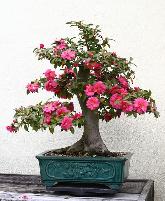
Chaenomeles is Quince
|
Single flowers shaped and sized like apple blossom borne in profusion on wood 2 years old or more, Early to mid spring. Colours range through white, pink, apricot, flame, orange and red, depending on variety. Tolerates all aspects. Does well in full sun to deep shade. |
Mar-May |
After 10 years - 144 x 144 (370 x 370) |
Light to dark green. Some yellow autumn colour. |
Wall Shrubs for The Prime Site Sh D Does well on any soil but liable to chlorosis in very alkaline areas. |
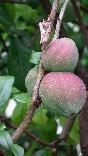
Use- As a fan-trained deciduous shrub for walls and fences, as well as a spiny hedge barrier. Foliage - Leaves elliptic, medium-sized, 3-4 inches (7.5-10 cm) long, light to dark green. Some yellow autumn colour. Stem - Upright when young and light green/brown, becoming dark brown, more twiggy and producing isolated large rigid thorns. Medium rate of growth. Fruit - Large, pear-shaped fruits follow the flowers, ripening to an attractive bright yellow. |
Pruning - Apart from growth required for fan shape, remove all previous season's growth back to 2 buds in spring before flowering, making sure that flowering buds are not removed. Training - Requires wires or individual anchor points to secure and encourage the fan-trained shape. Height/spread Problems - Intermittently produces very sharp thorns. May suffer fungus disease such as canker; prune out affected wood. Good companions |
Chaenomeles x californica 'Enchantress'. A compact, profuse bloomer producing striking salmon-pink flowers with golden anthers in spring. Chaenomeles cathayensis. salmon-pink flushed white flowers in April which are followed by the largest fruit - highly sought after for making jellies and jams, especially good cooked with apples in pies. Chaenomeles japonica (Maule's Quince or Japanese Quince) is native to Japan. Orange/red flowers, which attract bees and bumblebees. Birds eat fruit and use dense branches as protection and nest sites. Chaenomeles japonica 'Alpina'. Orange/red flowers borne freel, late spring. A little shy to fruit due to its less vigorous habit. Chaenomeles japonica 'Issai Red'. Small red flowers in abundance. Chaenomeles japonica 'Issai White'. Many small white flowers. Chaenomeles speciosa 'Atrococcinea'. Large, deep crimson flowers. Chaenomeles speciosa 'Brilliant'. Large brilliant red to clear scarlet flowers. Chaenomeles speciosa 'Cardinalis'. Crimson-scarlet flowers. Chaenomeles speciosa 'Eximia'. Upright deep brick-red flowers. Chaenomeles speciosa Chaenomeles speciosa Moerloosei' (Apple Blossom). Pink and white flowers, more sparsely produced than some forms. Chaenomeles speciosa Chaenomeles speciosa 'Rosea Plena'. Double rich rose-pink flowers. Chaenomeles speciosa 'Simonii' . Deep blood red flowers freely produced. Low growing. Chaenomeles speciosa 'Snow'. Snow-white flowers. A good variety. Chaenomeles speciosa 'Umbilicata'. Deep pink flowers, larger than most. Chaenomeles speciosa 'Verbooms Vermilion'. Upright growing, bright red flowers. Chaenomeles x superba Chaenomeles x superba Chaenomeles x superba Chaenomeles x superba 'Chosan'. Semi-double, peach/apricot flowers; low-growing. Chaenomeles x superba 'Coral Sea'. Coral-pink good sized flowers and good fruits. Chaenomeles x superba Chaenomeles x superba Chaenomeles x superba 'ernest Finken'. Upright brilliant red flowers. Chaenomeles x superba Chaenomeles x superba Chaenomeles x superba Chaenomeles x superba 'Hever Castle'. Shrimp pink flowers. Chaenomeles x superba 'Knap Hill Scarlet'. Smaller, brilliant orange/scarlet flowers, freely borne. Height slightly less than average. Chaenomeles x superba 'Hollandia'. An excellent scarlet/red flowering variety with good fruits. Chaenomeles x superba Chaenomeles x superba Chaenomeles x superba 'Port Elliot'. Large red flowers, good growth. Chaenomeles x superba 'Ohld'. Large red flowers of good stature. Chaenomeles x superba Chaenomeles x superba Chaenomeles x superba Chaenomeles x superba There are many varieties of Chaenomeles speciosa and Chaenomeles x superba. Those listed above are a good representative selection. |
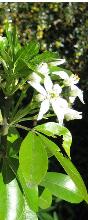
Choisya ternata is Mexican Orange Blossom |
Fragrant, single, 0.5 inch (1 cm) wide, white, star-shaped, orange-scented flowers, borne in flat-topped clusters, late spring to early summer. Tolerates all but the most exposed aspects. Equally good in full sun or deep shade. |
They produce attractive white flowers (citrus fragrance) from late April to early June and sometimes a second flowering in October / November. |
After 10 years - 72 x 72 (180 x 180) |
Leaves glossy, mid to dark green, which when crushed give off an aromatic scent. |
Wall Shrubs for The Prime Site Sh E Does well on most, although very severe alkaline soils may lead to chlorosis. |
Use - As a very attractive evergreen shrub for scented, late spring to early summer flowering, but with training can become ann interesting wall shrub or an excellent low hedge. Choisyas can be grown in containers although they do need a bit of care in the winter. Potted plants are more susceptible to frost damage compared to those in the ground so we recommend placing your potted Choisya in a porch, open garage or in a protected position up against the house during the winter - November to March ideally. Foliage - Leaves glossy, mid to dark green, trifoliate, 3-6 inches (7.5-15 cm) long, which when crushed give off an aromatic scent. Stem - Light to bright green, glossy, upright, becoming spreading and twiggy with age, forming a fan-shaped shrub. Fast to medium rate of growth when young or pruned back, slowing with age. Fruit - Insignificant. |
Pruning - 3 methods of pruning are advocated:
Training - Requires wires or individual anchor points to secure and encourage the fan-trained shape. Height/spread Problems - If pruning is neglected, plant becomes old, woody and unproductive. Plants are always relatively small when purchased but quickly mature when planted out. |
Choisya 'Aztec Pearl'. Clusters of fragrant, pink-tinged white flowers in late spring. Choisya ternata 'Sundance'. Yellow/green foliage in spring, quickly becoming golden yellow which persists through winter. Slightly more tender. Two thirds average height an spread. Requires very light shade.
Partner plants - The glossy, evergreen leaves provide an excellent backdrop for medium-sized perennials and pale-grey or purple foliage plants. The secret to stunning shrubs? Mix woody plants with perennials. |
|
|
|
|
|
|
|
|
|
|
|
|
|
|
|
|
|
|
|
|
|
|
|
|
|
|
|









STAGE 2 |
STAGE 1 GARDEN STYLE INDEX GALLERY PAGES Links to pages in Table alongside on the left with Garden Design Topic Pages |
||||||||||||||||||||||||||||||||||||||||||||||||||||||||||||||||||||||||||||||||||||||||||||||||||||||||||||||||||||||||||||||||||||||||||||||||||||||||||||||||||||||||||||||||||||||||||||||||||||||||||
Plant Type |
STAGE 2 INFILL PLANT INDEX GALLERIES 1, 2, 3 with its Cultivation Requirements |
||||||||||||||||||||||||||||||||||||||||||||||||||||||||||||||||||||||||||||||||||||||||||||||||||||||||||||||||||||||||||||||||||||||||||||||||||||||||||||||||||||||||||||||||||||||||||||||||||||||||||
Alpines for Rock Garden (See Rock Garden Plant Flowers) |
Alpines and Walls |
||||||||||||||||||||||||||||||||||||||||||||||||||||||||||||||||||||||||||||||||||||||||||||||||||||||||||||||||||||||||||||||||||||||||||||||||||||||||||||||||||||||||||||||||||||||||||||||||||||||||||
Aquatic |
Water-side Plants |
Wildlife Pond Plants |
|||||||||||||||||||||||||||||||||||||||||||||||||||||||||||||||||||||||||||||||||||||||||||||||||||||||||||||||||||||||||||||||||||||||||||||||||||||||||||||||||||||||||||||||||||||||||||||||||||||||||
Annual for ----------------
|
Cut Flowers |
||||||||||||||||||||||||||||||||||||||||||||||||||||||||||||||||||||||||||||||||||||||||||||||||||||||||||||||||||||||||||||||||||||||||||||||||||||||||||||||||||||||||||||||||||||||||||||||||||||||||||
Scent / Fra-grance with Annuals for Cool or Shady Places from 1916 |
Low-allergen Gardens for Hay Fever Sufferers |
Annual Plant Pairing Ideas and Colour Schemes with Annuals |
Medium-Growing Annuals |
Tall-Growing Annuals with White Flowers from 1916 |
|||||||||||||||||||||||||||||||||||||||||||||||||||||||||||||||||||||||||||||||||||||||||||||||||||||||||||||||||||||||||||||||||||||||||||||||||||||||||||||||||||||||||||||||||||||||||||||||||||||||
Black or Brown Flowers |
Blue to Purple Flowers |
Green Flowers with Annuals and Biennials from 1916 |
|||||||||||||||||||||||||||||||||||||||||||||||||||||||||||||||||||||||||||||||||||||||||||||||||||||||||||||||||||||||||||||||||||||||||||||||||||||||||||||||||||||||||||||||||||||||||||||||||||||||||
Vining Annuals |
|
||||||||||||||||||||||||||||||||||||||||||||||||||||||||||||||||||||||||||||||||||||||||||||||||||||||||||||||||||||||||||||||||||||||||||||||||||||||||||||||||||||||||||||||||||||||||||||||||||||||||||
Bedding for |
Bedding for Light Sandy Soil |
Bedding for Acid Soil |
Bedding for Chalky Soil |
Bedding for Clay Soil |
|||||||||||||||||||||||||||||||||||||||||||||||||||||||||||||||||||||||||||||||||||||||||||||||||||||||||||||||||||||||||||||||||||||||||||||||||||||||||||||||||||||||||||||||||||||||||||||||||||||||
Attract-ive to Wildlife including Bees, Butterflies and Moths |
|||||||||||||||||||||||||||||||||||||||||||||||||||||||||||||||||||||||||||||||||||||||||||||||||||||||||||||||||||||||||||||||||||||||||||||||||||||||||||||||||||||||||||||||||||||||||||||||||||||||||||
Bedding Plant Use |
|||||||||||||||||||||||||||||||||||||||||||||||||||||||||||||||||||||||||||||||||||||||||||||||||||||||||||||||||||||||||||||||||||||||||||||||||||||||||||||||||||||||||||||||||||||||||||||||||||||||||||
Use in Hanging Baskets |
|||||||||||||||||||||||||||||||||||||||||||||||||||||||||||||||||||||||||||||||||||||||||||||||||||||||||||||||||||||||||||||||||||||||||||||||||||||||||||||||||||||||||||||||||||||||||||||||||||||||||||
Flower Simple Shape |
Shape of |
Shape of |
Shape of |
Shape of |
Shape of |
Use in Pots and Troughs |
|||||||||||||||||||||||||||||||||||||||||||||||||||||||||||||||||||||||||||||||||||||||||||||||||||||||||||||||||||||||||||||||||||||||||||||||||||||||||||||||||||||||||||||||||||||||||||||||||||||
Flower Elabo-rated Shape |
Shape of |
Shape of |
Shape of |
|
Use in |
Use in |
|||||||||||||||||||||||||||||||||||||||||||||||||||||||||||||||||||||||||||||||||||||||||||||||||||||||||||||||||||||||||||||||||||||||||||||||||||||||||||||||||||||||||||||||||||||||||||||||||||||
Shape of |
Shape of |
Shape of |
Shape of |
|
Use in Bedding Out |
Use in |
|||||||||||||||||||||||||||||||||||||||||||||||||||||||||||||||||||||||||||||||||||||||||||||||||||||||||||||||||||||||||||||||||||||||||||||||||||||||||||||||||||||||||||||||||||||||||||||||||||||
Biennial for |
Patio Con-tainers with Biennials for Pots in Green-house / Con-servatory |
Bene-ficial to Wildlife with Purple and Blue Flowers from 1916 |
|
|
|||||||||||||||||||||||||||||||||||||||||||||||||||||||||||||||||||||||||||||||||||||||||||||||||||||||||||||||||||||||||||||||||||||||||||||||||||||||||||||||||||||||||||||||||||||||||||||||||||||||
Bulb for |
Indoor Bulbs for Sep-tember |
Bulbs in Window-boxes |
|||||||||||||||||||||||||||||||||||||||||||||||||||||||||||||||||||||||||||||||||||||||||||||||||||||||||||||||||||||||||||||||||||||||||||||||||||||||||||||||||||||||||||||||||||||||||||||||||||||||||
Any Plant Type (some grown in Cool Green-house) Bloom-ing in |
Any Plant Type (some grown in Cool Green-house) Bloom-ing in |
Any Plant Type (some grown in Cool Green-house) Bloom-ing in |
Any Plant Type Blooming in Smallest of Gardens |
||||||||||||||||||||||||||||||||||||||||||||||||||||||||||||||||||||||||||||||||||||||||||||||||||||||||||||||||||||||||||||||||||||||||||||||||||||||||||||||||||||||||||||||||||||||||||||||||||||||||
Bulbs in Green-house or Stove |
Achi-menes, Alocasias, Amorpho-phalluses, Aris-aemas, Arums, Begonias, Bomar-eas, Calad-iums |
Clivias, |
|||||||||||||||||||||||||||||||||||||||||||||||||||||||||||||||||||||||||||||||||||||||||||||||||||||||||||||||||||||||||||||||||||||||||||||||||||||||||||||||||||||||||||||||||||||||||||||||||||||||||
Hardy Bulbs
|
Amaryllis, Antheri-cum, Antholy-zas, Apios, Arisaema, Arum, Aspho-deline, |
Cyclamen, Dicentra, Dierama, Eranthis, Eremurus, Ery-thrnium, Eucomis |
Fritillaria, Funkia, Gal-anthus, Galtonia, Gladiolus, Hemero-callis |
Hya-cinth, Hya-cinths in Pots, |
|||||||||||||||||||||||||||||||||||||||||||||||||||||||||||||||||||||||||||||||||||||||||||||||||||||||||||||||||||||||||||||||||||||||||||||||||||||||||||||||||||||||||||||||||||||||||||||||||||||||
|
Lilium in Pots, Malvastrum, Merendera, Milla, Narcissus, Narcissi in Pots |
Half-Hardy Bulbs |
Gladioli, Ixias, |
Plant each Bedding Plant with a Ground, Edging or Dot Plant for |
||||||||||||||||||||||||||||||||||||||||||||||||||||||||||||||||||||||||||||||||||||||||||||||||||||||||||||||||||||||||||||||||||||||||||||||||||||||||||||||||||||||||||||||||||||||||||||||||||||||||
Climber 3 sector Vertical Plant System with
---------- |
1a. |
1b. |
|
||||||||||||||||||||||||||||||||||||||||||||||||||||||||||||||||||||||||||||||||||||||||||||||||||||||||||||||||||||||||||||||||||||||||||||||||||||||||||||||||||||||||||||||||||||||||||||||||||||||||
2b. |
3a. |
3c. |
Raised |
Plants for Wildlife-Use as well |
|||||||||||||||||||||||||||||||||||||||||||||||||||||||||||||||||||||||||||||||||||||||||||||||||||||||||||||||||||||||||||||||||||||||||||||||||||||||||||||||||||||||||||||||||||||||||||||||||||||||
Least prot-ruding growth when fan-trained |
|||||||||||||||||||||||||||||||||||||||||||||||||||||||||||||||||||||||||||||||||||||||||||||||||||||||||||||||||||||||||||||||||||||||||||||||||||||||||||||||||||||||||||||||||||||||||||||||||||||||||||
Needs Conserv-atory or Green-house |
|||||||||||||||||||||||||||||||||||||||||||||||||||||||||||||||||||||||||||||||||||||||||||||||||||||||||||||||||||||||||||||||||||||||||||||||||||||||||||||||||||||||||||||||||||||||||||||||||||||||||||
Climber - Simple Flower Shape |
|
||||||||||||||||||||||||||||||||||||||||||||||||||||||||||||||||||||||||||||||||||||||||||||||||||||||||||||||||||||||||||||||||||||||||||||||||||||||||||||||||||||||||||||||||||||||||||||||||||||||||||
Climber - Elaborated Flower Shape |
|||||||||||||||||||||||||||||||||||||||||||||||||||||||||||||||||||||||||||||||||||||||||||||||||||||||||||||||||||||||||||||||||||||||||||||||||||||||||||||||||||||||||||||||||||||||||||||||||||||||||||
|
|||||||||||||||||||||||||||||||||||||||||||||||||||||||||||||||||||||||||||||||||||||||||||||||||||||||||||||||||||||||||||||||||||||||||||||||||||||||||||||||||||||||||||||||||||||||||||||||||||||||||||
|
|||||||||||||||||||||||||||||||||||||||||||||||||||||||||||||||||||||||||||||||||||||||||||||||||||||||||||||||||||||||||||||||||||||||||||||||||||||||||||||||||||||||||||||||||||||||||||||||||||||||||||
|
|||||||||||||||||||||||||||||||||||||||||||||||||||||||||||||||||||||||||||||||||||||||||||||||||||||||||||||||||||||||||||||||||||||||||||||||||||||||||||||||||||||||||||||||||||||||||||||||||||||||||||
|
|||||||||||||||||||||||||||||||||||||||||||||||||||||||||||||||||||||||||||||||||||||||||||||||||||||||||||||||||||||||||||||||||||||||||||||||||||||||||||||||||||||||||||||||||||||||||||||||||||||||||||
|
DISCLAIMER: Links to external sites are provided as a courtesy to visitors. Ivydene Horticultural Services are not responsible for the content and/or quality of external web sites linked from this site. |
||||||||||||||||||||||||||||||||||||||||||||||||||||||||||||||||||||||||||||||||||||||||||||||||||||||||||||||||||||||||||||||||||||||||||||||||||||||||||||||||||||||||||||||||||||||||||||||||||||||||||
Scented Flora of the World by Roy Genders - was first published in 1977 and this paperback edition was published on 1 August 1994 ISBN 0 7090 5440 8:- |
|||||||||||||||||||||||||||||||||||||||||||||||||||||||||||||||||||||||||||||||||||||||||||||||||||||||||||||||||||||||||||||||||||||||||||||||||||||||||||||||||||||||||||||||||||||||||||||||||||||||||||
I am using the above book from someone who took 30 years to compile it from notes made of his detailed observations of growing plants in preference to |
|||||||||||||||||||||||||||||||||||||||||||||||||||||||||||||||||||||||||||||||||||||||||||||||||||||||||||||||||||||||||||||||||||||||||||||||||||||||||||||||||||||||||||||||||||||||||||||||||||||||||||
The Propagation of Alpines by Lawrence D. Hills. Published in 1950 by Faber and Faber Limited describes every method of propagation for 2,500 species. Unlike modern books published since 1980, this one states exactly what to do and is precisely what you require if you want to increase your alpines. |
|||||||||||||||||||||||||||||||||||||||||||||||||||||||||||||||||||||||||||||||||||||||||||||||||||||||||||||||||||||||||||||||||||||||||||||||||||||||||||||||||||||||||||||||||||||||||||||||||||||||||||



Topic |
|
|
|
STAGE 4C CULTIVATION, POSITION, USE GALLERY
Cultivation Requirements of Plant |
|
Outdoor / Garden Cultivation |
|
Indoor / House Cultivation |
|
Cool Greenhouse (and Alpine House) Cultivation with artificial heating in the Winter |
|
Conservatory Cultivation with heating throughout the year |
|
Stovehouse Cultivation with heating throughout the year for Tropical Plants |
|
|
|
Sun Aspect |
|
|
|
Soil Type |
|
|
|
Soil Moisture |
|
|
|
Position for Plant |
|
Ground Cover 0-24 inches (0-60 cms) |
|
Ground Cover 24-72 inches (60-180 cms) |
|
Ground Cover Over 72 inches (180 cms) |
|
1, 2, |
|
|
|
Use of Plant |
|
|
|
STAGE 4D Plant Foliage |
|
|
|
Flower Shape |
|
Number of Flower Petals |
|
|
|
Flower Shape - Simple |
|
|
|
|
|
|
Flower Shape - Elaborated |
|
|
|
Natural Arrangements |
|
|
|
STAGE 4D |
|
|
|
|
|
Form |
|
|
|
|
|
STAGE 1
Fragrant Plants adds the use of another of your 5 senses in your garden:- |
|
|
|
STAGE 2 Fan-trained Shape From Rhododendrons, boxwood, azaleas, clematis, novelties, bay trees, hardy plants, evergreens : novelties bulbs, cannas novelties, palms, araucarias, ferns, vines, orchids, flowering shrubs, ornamental grasses and trees book, via Wikimedia Commons |
|
Ramblers Scramblers & Twiners by Michael Jefferson-Brown (ISBN 0 - 7153 - 0942 - 0) describes how to choose, plant and nurture over 500 high-performance climbing plants and wall shrubs, so that more can be made of your garden if you think not just laterally on the ground but use the vertical support structures including the house as well. The Gardener's Illustrated Encyclopedia of Climbers & Wall Shrubs - A Guide to more than 2000 varieties including Roses, Clematis and Fruit Trees by Brian Davis. (ISBN 0-670-82929-3) provides the lists for 'Choosing the right Shrub or Climber' together with Average Height and Spread after 5 years, 10 years and 20 years. |
|
|
|
STAGE 2
|
|
|
|
STAGE 4D Trees and Shrubs suitable for Clay Soils (neutral to slightly acid) Trees and Shrubs suitable for Dry Acid Soils Trees and Shrubs suitable for Shallow Soil over Chalk Trees and Shrubs tolerant of both extreme Acidity and Alkalinity Trees and Shrubs suitable for Damp Sites Trees and Shrubs suitable for Industrial Areas Trees and Shrubs suitable for Cold Exposed Areas Trees and Shrubs suitable for Seaside Areas Shrubs suitable for Heavy Shade Shrubs and Climbers suitable for NORTH- and EAST-facing Walls Shrubs suitable for Ground Cover Trees and Shrubs of Upright or Fastigiate Habit Trees and Shrubs with Ornamental Bark or Twigs Trees and Shrubs with Bold Foliage Trees and Shrubs for Autumn Colour Trees and Shrubs with Red or Purple Foliage Trees and Shrubs with Golden or Yellow Foliage Trees and Shrubs with Grey or Silver Foliage Trees and Shrubs with Variegated Foliage Trees and Shrubs bearing Ornamental Fruit Trees and Shrubs with Fragrant or Scented Flowers Trees and Shrubs with Aromatic Foliage Flowering Trees and Shrubs for Every Month:- |
|


.jpg)


.jpg?uselang=en-gb)
Copied from |
||||||||||||||||||||||||||||||||||||||||||||||||||||||||||||||||||||||||||||||||||||||||||||||||||||||||||||||||||||||||||||||||||||||||||||||||||||||||||||||||||||||||||||||||||||||||||||||||||||||||||||||||||||||||||||||||||||||||||||||||||||||||||||||||||||||||||||||||||||||
Soil contains living material that requires the right structure and organic material to provide food for plants. If the structure of the soil tends towards a loam of about 20-50% sand, silt and 20 - 40% clay with a pH between 6 and 7.5, then this suitable for a high proportion of plants. Otherwise an application of a mulch of sand and horticultural grit for clay, or clay and horticultural grit for sand, is required to improve plant growth. If an annual mulch of organic material (Spent Mushroom Compost, Cow Manure, Horse Manure does contain weed seeds and should only be used under hedges or ground-covering trees/shrubs) is applied of 100mm (4”) thickness to the soil, then the living material in the soil can continue their role of feeding the plants. This mulch will stop the ground drying out due to wind or sun having direct access to the ground surface. The annual loss of organic matter from soils in cool humid climates is about 6lbs per square metre. If there is also a drip-feed irrigation system under the mulch (which is used for 4 continuous hours a week - when there is no rain that week from April to September), then the living material can get their food delivered in solution or suspension. If the prunings from your garden are shredded (or reduced to 4” lengths) and then applied as a mulch to your flower beds or hedges, followed by 0.5” depth of grass mowings on top; this will also provide a start for improvement of your soil. The 0.5" layer can be applied again after a fortnight; when the aerobic composting stage (the aerobic composting creates heat and 0.5" - 1 cm - thickness does not become too hot to harm the plants next to it) has been completed during the summer. Anaerobic (without using air) composting then completes the process. Application of Seaweed Meal for Trace Elements and other chemicals required to replenish what has been used by the plants in the previous year for application in Spring are detailed in the How are Chemicals stored and released from Soil? page.
You normally eat and drink at least 3 times every day to keep you growing, healthy and active; plants also require to eat and drink every day. Above 5 degrees Celcius plants tend to grow above ground and below 5 degrees Celcius they tend to grow their roots underground. 2 minor points to remember with their result-
|
||||||||||||||||||||||||||||||||||||||||||||||||||||||||||||||||||||||||||||||||||||||||||||||||||||||||||||||||||||||||||||||||||||||||||||||||||||||||||||||||||||||||||||||||||||||||||||||||||||||||||||||||||||||||||||||||||||||||||||||||||||||||||||||||||||||||||||||||||||||
Soils and their Treatment
Soil Improvement |
||||||||||||||||||||||||||||||||||||||||||||||||||||||||||||||||||||||||||||||||||||||||||||||||||||||||||||||||||||||||||||||||||||||||||||||||||||||||||||||||||||||||||||||||||||||||||||||||||||||||||||||||||||||||||||||||||||||||||||||||||||||||||||||||||||||||||||||||||||||
|
||||||||||||||||||||||||||||||||||||||||||||||||||||||||||||||||||||||||||||||||||||||||||||||||||||||||||||||||||||||||||||||||||||||||||||||||||||||||||||||||||||||||||||||||||||||||||||||||||||||||||||||||||||||||||||||||||||||||||||||||||||||||||||||||||||||||||||||||||||||
|
||||||||||||||||||||||||||||||||||||||||||||||||||||||||||||||||||||||||||||||||||||||||||||||||||||||||||||||||||||||||||||||||||||||||||||||||||||||||||||||||||||||||||||||||||||||||||||||||||||||||||||||||||||||||||||||||||||||||||||||||||||||||||||||||||||||||||||||||||||||
|
||||||||||||||||||||||||||||||||||||||||||||||||||||||||||||||||||||||||||||||||||||||||||||||||||||||||||||||||||||||||||||||||||||||||||||||||||||||||||||||||||||||||||||||||||||||||||||||||||||||||||||||||||||||||||||||||||||||||||||||||||||||||||||||||||||||||||||||||||||||
Copied from |
||||||||||||||||||||||||||||||||||||||||||||||||||||||||||||||||||||||||||||||||||||||||||||||||||||||||||||||||||||||||||||||||||||||||||||||||||||||||||||||||||||||||||||||||||||||||||||||||||||||||||||||||||||||||||||||||||||||||||||||||||||||||||||||||||||||||||||||||||||||
and • Watering Schedule - Far and away the best course of action against slugs in your garden is a simple adjustment in the watering schedule. Slugs are most active at night and are most efficient in damp conditions. Avoid watering your garden in the evening if you have a slug problem. Water in the morning - the surface soil will be dry by evening. Studies show this can reduce slug damage by 80%.
• Seaweed - If you have access to seaweed, it's well worth the effort to gather. Seaweed is not only a good soil amendment for the garden, it's a natural repellent for slugs. Mulch with seaweed around the base of plants or perimeter of bed. Pile it on 3" to 4" thick - when it dries it will shrink to just an inch or so deep. Seaweed is salty and slugs avoid salt. Push the seaweed away from plant stems so it's not in direct contact. During hot weather, seaweed will dry and become very rough which also deters the slugs.
• Copper - Small strips of copper can be placed around flower pots or raised beds as obstructions for slugs to crawl over. Cut 2" strips of thin copper and wrap around the lower part of flower pots, like a ribbon. Or set the strips in the soil on edge, making a "fence" for the slugs to climb. Check to make sure no vegetation hangs over the copper which might provide a 'bridge' for the slugs. Copper barriers also work well around wood barrels used as planters.
• Diatomaceous Earth - Diatomaceous earth (Also known as "Insect Dust") is the sharp, jagged skeletal remains of microscopic creatures. It lacerates soft-bodied pests, causing them to dehydrate. A powdery granular material, it can be sprinkled around garden beds or individual plants, and can be mixed with water to make a foliar spray.
• Electronic "slug fence" - An electronic slug fence is a non-toxic, safe method for keeping slugs out of garden or flower beds. The Slugs Away fence is a 24-foot long, 5" ribbon-like barrier that runs off a 9 volt battery. When a slug or snail comes in contact with the fence, it receives a mild static sensation that is undetectable to animals and humans. This does not kill the slug, it cause it to look elsewhere for forage. The battery will power the fence for about 8 months before needing to be replaced. Extension kits are availabe for increased coverage. The electronic fence will repel slugs and snails, but is harmless to people and pets.
• Lava Rock - Like diatomaceous earth, the abrasive surface of lava rock will be avoided by slugs. Lava rock can be used as a barrier around plantings, but should be left mostly above soil level, otherwise dirt or vegetation soon forms a bridge for slugs to cross.
• Salt - If all else fails, go out at night with the salt shaker and a flashlight. Look at the plants which have been getting the most damage and inspect the leaves, including the undersides. Sprinkle a bit of salt on the slug and it will kill it quickly. Not particularly pleasant, but use as a last resort. (Note: some sources caution the use of salt, as it adds a toxic element to the soil. This has not been our experience, especially as very little salt is used.)
• Beer - Slugs are attracted to beer. Set a small amount of beer in a shallow wide jar buried in the soil up to its neck. Slugs will crawl in and drown. Take the jar lid and prop it up with a small stick so rain won't dilute the beer. Leave space for slugs to enter the trap.
• Overturned Flowerpots, Grapefruit Halves, Board on Ground - Overturned flowerpots, with a stone placed under the rim to tilt it up a bit, will attract slugs. Leave overnight, and you'll find the slugs inside in the morning. Grapefruit halves work the same way, with the added advantage of the scent of the fruit as bait.
• Garlic-based slug repellents
Laboratory tests at the University of Newcastle-Upon-Tyne (UK) revealed that a highly refined garlic product (ECOguard produced by ECOspray Ltd, a British company that makes organic pesticides) was an effective slug killer. Look for garlic-based slug deterrents which will be emerging under various brand names, as well as ECOguard.
• Coffee grounds; new caffeine-based slug/snail poisons - Coffee grounds scattered on top of the soil will deter slugs. The horticultural side effects of using strong grounds such as espresso on the garden, however, are less certain. When using coffee grounds, moderation is advised. |
||||||||||||||||||||||||||||||||||||||||||||||||||||||||||||||||||||||||||||||||||||||||||||||||||||||||||||||||||||||||||||||||||||||||||||||||||||||||||||||||||||||||||||||||||||||||||||||||||||||||||||||||||||||||||||||||||||||||||||||||||||||||||||||||||||||||||||||||||||||
UKButterflies Larval Foodplants website page lists the larval foodplants used by British butterflies. The name of each foodplant links to a Google search. An indication of whether the foodplant is a primary or secondary food source is also given. Please note that the Butterfly you see for only a short time has grown up on plants as an egg, caterpillar and chrysalis for up to 11 months, before becoming a butterfly. If the plants that they live on during that time are removed, or sprayed with herbicide, then you will not see the butterfly. |
||||
Plants used by the Butterflies follow the Plants used by the Egg, Caterpillar and Chrysalis as stated in |
||||
Plant Name |
Butterfly Name |
Egg/ Caterpillar/ Chrysalis/ Butterfly |
Plant Usage |
Plant Usage Months |
Egg, |
1 egg under leaf. |
10 days in May-June |
||
Egg, |
Eggs laid in batches encircling the branch of the food plant. |
Hatches after 18-22 days in April. |
||
Egg, |
Groups of eggs on upper side of leaf. |
- |
||
Egg, |
1 egg at base of plant. |
Late August-April |
||
Egg, |
Groups of eggs on upper side of leaf. |
- |
||
Egg, |
1 egg laid on underside of leaflets or bracts. |
7 days in June. |
||
Egg, |
1 egg laid on underside of leaflets or bracts. |
7 days in June. |
||
Egg, |
1 egg laid under the leaf or on top of the flower. |
7 days in August. |
||
Egg, |
1 egg on underside of a flower bud on its stalk. |
7 days. |
||
Egg, |
1 egg on underside of a flower bud on its stalk. |
7 days. |
||
Egg, |
1 egg under leaf. |
10 days in May-June. |
||
Egg, |
1 egg on leaf. |
2 weeks |
||
Cabbages - Large White eats all cruciferous plants, such as cabbages, mustard, turnips, radishes, cresses, nasturtiums, wild mignonette and dyer's weed |
Egg,
|
40-100 eggs on both surfaces of leaf. |
May-June and August-Early September. 4.5-17 days. |
|
Egg, |
1 egg on underside of leaf. |
May-June and August. 7 days. |
||
Cabbages:- |
Egg, |
1 egg on underside of leaf. |
July or August; hatches in 3 days. |
|
Cabbages:- |
Egg, |
1 egg laid in the tight buds and flowers. |
May-June 7 days. |
|
Cherry with |
Egg, |
Eggs laid in batches encircling the branch of the food plant. |
Hatches after 18-22 days in April. |
|
Egg, |
Groups of eggs on upper side of leaf. |
- |
||
Egg, |
1 egg on leaf. |
10 days in May-June. |
||
Egg, |
1 egg on leaf. |
6 days in May-June. |
||
Egg, |
1 egg under leaf. |
|
||
|
(Common CowWheat, Field CowWheat) |
Egg, |
Eggs laid in batches on the under side of the leaves. |
Hatches after 16 days in June. |
|
Currants |
Egg, |
Groups of eggs on upper side of leaf. |
|
|
Egg, |
Eggs laid in batches on the under side of the leaves. |
Hatches after 20 days in July. |
||
Dog Violet with |
Egg, |
1 egg on oak or pine tree trunk |
15 days in July. |
|
Dog Violet with |
Egg, |
1 egg on leaf or stem. |
Hatches after 15 days in May-June. |
|
Dog Violet with |
Egg, |
1 egg on leaf or stem. |
Hatches after 10 days in May-June. |
|
Egg, |
1 egg on underside of a flower bud on its stalk. |
7 days. |
||
Egg, |
Eggs laid in batches encircling the branch of the food plant. |
Hatches after 18-22 days in April. |
||
False Brome is a grass (Wood Brome, Wood False-brome and Slender False-brome) |
Egg, |
1 egg under leaf. |
... |
|
Egg, |
Eggs laid in batches on the under side of the leaves. |
Hatches after 20 days in July. |
||
Egg, |
1 egg laid on underside of leaflets or bracts. |
7 days in June. |
||
Egg, |
1 egg on leaf or stem. |
Hatches after 10 days in May-June. |
||
Egg, |
1 egg on underside of a flower bud on its stalk. |
7 days. |
||
Egg, |
1 egg laid under the leaf or on top of the flower. |
7 days in August. |
||
Egg, |
1 egg on leaf. 5 or 6 eggs may be deposited by separate females on one leaf. |
14 days in July-August. |
||
Egg, |
1 egg on underside of a flower bud on its stalk. |
7 days. |
||
Egg, |
1 egg laid in the tight buds and flowers. |
May-June 7 days. |
||
Egg, |
Eggs laid in batches on the under side of the leaves. |
Hatches after 20 days in July. |
||
Egg, |
Groups of eggs on upper side of leaf. |
|
||
Egg, |
1 egg under leaf. |
1 then |
||
Egg, |
1 egg on underside of a flower bud on its stalk. |
7 days. |
||
Egg, |
1 egg at base of plant. |
Late August-April. |
||
Egg, |
1 egg on leaf. |
10 days in May-June. |
||
Egg, |
1 egg on leaf. |
2 weeks |
||
Egg, |
1 egg on leaf. |
6 days in May-June. |
||
Egg, |
1 egg on underside of leaf. |
May-June and August. 7 days. |
||
Egg, |
1 egg on leaf. 5 or 6 eggs may be deposited by separate females on one leaf. |
14 days in July-August. |
||
Narrow-leaved Plantain (Ribwort Plantain) |
Egg, |
Eggs laid in batches on the under side of the leaves. |
Hatches after 16 days in June. |
|
Narrow-leaved Plantain (Ribwort Plantain) |
Egg, |
Eggs laid in batches on the under side of the leaves. |
Hatches after 16 days in June. |
|
Nasturtium from Gardens |
Egg, |
1 egg on underside of leaf. |
May-June and August. 7 days. |
|
Egg, |
1 egg on tree trunk |
15 days in July. |
||
Mountain pansy, |
Egg, Chrysalis |
1 egg laid under the leaf or on top of the flower. |
7 days in August. 3 weeks in September |
|
Egg, |
1 egg on tree trunk. |
15 days in July. |
||
Egg, |
Eggs laid in batches on the under side of the leaves. |
Hatches after 20 days in July. |
||
Egg, |
Eggs laid in batches encircling the branch of the food plant. |
Hatches after 18-22 days in April. |
||
Egg, |
Groups of eggs on upper side of leaf. |
- |
||
Egg, |
1 egg under leaf. |
|
||
Egg, |
1 egg laid under the leaf or on top of the flower. |
7 days in August. |
||
Egg, |
Eggs laid in batches encircling the branch of the food plant. |
Hatches after 18-22 days in April. |
||
Egg, |
Eggs laid in batches on the under side of the leaves. |
Hatches after 16 days in June. |
||
Egg, |
1 egg on underside of a flower bud on its stalk. |
7 days. |
||
Egg, |
1 egg on underside of a flower bud on its stalk. |
7 days. |
||
Egg, |
Groups of eggs on upper side of leaf. |
|
||
Egg, |
1 egg under leaf. |
|
||
Egg, |
1 egg on leaf. |
2 weeks |
||
Trefoils 1, 2, 3 |
Egg, |
1 egg on leaf. |
6 days in May-June. |
|
Egg, |
Groups of eggs on upper side of leaf. |
- |
||
Egg, |
1 egg laid on underside of leaflets or bracts. |
7 days in June. |
||
Violets:- |
Egg, |
1 egg on underside of leaf or on stalk. |
July-August for 17 days. |
|
Violets:- |
Egg, |
1 egg on stem or stalk near plant base. |
July to hatch in 8 months in March. |
|
Egg, |
1 egg on leaf. |
2 weeks. |
||
Egg, |
Eggs laid in batches encircling the branch of the food plant. |
Hatches after 18-22 days in April. |
||
Egg, |
1 egg on leaf. 5 or 6 eggs may be deposited by separate females on one leaf. |
14 days in July-August. |
||
Willow |
Egg, |
Eggs laid in batches encircling the branch of the food plant. |
Hatches after 18-22 days in April. |
|
Egg, |
Eggs laid in batches on the under side of the leaves. |
Hatches after 20 days in July. |
||
Plants used by the Butterflies |
||||
Plant Name |
Butterfly Name |
Egg/ Caterpillar/ Chrysalis/ Butterfly |
Plant Usage |
Plant Usage Months |
Asters |
Butterfly |
Eats nectar. |
|
|
Runner and Broad Beans in fields and gardens |
Butterfly |
Eats nectar |
April-June or July-September. |
|
Aubretia in gardens |
Butterfly |
Eats nectar |
May-June or August till killed by frost and damp in September-November |
|
Butterfly |
Eats sap exuding from trunk. |
April-Mid June and Mid July-Early September for second generation. |
||
Butterfly |
Eats nectar. |
20 days. |
||
Butterfly |
Eats nectar |
May-June |
||
Holly Blue |
Butterfly |
Eats nectar |
April-Mid June and Mid July-Early September for second generation. |
|
Butterfly |
Eats nectar. |
July-October. |
||
Buddleias |
Butterfly |
Eats nectar. |
July-October. |
|
Wood White |
Butterfly |
Eats nectar |
May-June. |
|
Cabbage and cabbages in fields |
Butterfly |
Eats nectar |
April-June or July-September. |
|
Butterfly |
Eats nectar |
July-October |
||
Adonis Blue |
Butterfly |
Eats nectar. |
1 Month during Mid-May to Mid-June or during August-September |
|
Pale Clouded Yellow |
Butterfly |
Eats nectar |
May-June or August till killed by frost and damp in September-November |
|
Cow-wheat |
Butterfly |
Eats nectar |
June-July |
|
Butterfly |
Eats nectar |
May-June |
||
Butterfly |
Eats nectar |
April-Mid June and Mid July-Early September for second generation. |
||
Butterfly |
Eats nectar. |
3 weeks between May and September |
||
Germander Speedwell (Veronica chamaedrys - Birdseye Speedwell) |
Butterfly |
Eats nectar |
June-July |
|
Butterfly |
Eats nectar. |
July-October. |
||
Butterfly |
Eats nectar |
30 days in May-June. |
||
Butterfly |
Eats nectar |
May-September |
||
Butterfly |
Eats nectar. |
May-June for 18 days. |
||
Butterfly |
Eats nectar. |
July-October |
||
Butterfly |
Eats nectar. |
1 Month. |
||
Butterfly |
Eats nectar. |
July-October. |
||
Painted Lady |
Butterfly |
Eats nectar |
July-October. |
|
Marigolds in gardens |
Butterfly |
Eats nectar |
May-June or August till killed by frost and damp in September-November |
|
Butterfly |
Eats nectar. |
1 Month during Mid-May to Mid-June or during August-September. |
||
Michaelmas Daisies |
Butterfly |
Eats nectar. |
July-October |
|
Butterfly |
Eats nectar |
April-June or July-September. |
||
Narrow-leaved Plantain (Ribwort Plantain) |
Butterfly |
Eats nectar |
June-July |
|
Nasturtiums in gardens |
Butterfly |
Eats nectar |
April-June or July-September |
|
Butterfly |
Eats sap exuding from trunk. |
April-Mid June and Mid July-Early September for second generation. |
||
Butterfly |
Eats nectar |
June. |
||
Butterfly |
Eats nectar |
May-June. |
||
Butterfly |
Eats nectar |
July-October. |
||
Butterfly |
Eats nectar |
July-May |
||
Butterfly |
Eats nectar |
7 weeks in July-August. |
||
Comma |
Butterfly |
Eats nectar. |
July-October. |
|
Butterfly |
Eats nectar. |
3 weeks between May and September |
||
Trefoils 1, 2, 3 |
Butterfly |
Eats nectar. |
1 Month during Mid-May to Mid-June or during August-September |
|
Butterfly |
Eats nectar. |
20 days in August. |
||
Butterfly |
Eats nectar |
June.
|
||
Butterfly |
Eats nectar |
June-July |
||
Apple/Pear/Cherry/Plum Fruit Tree Blossom in Spring |
Butterfly |
Eats Nectar |
April-May |
|
Rotten Fruit |
Butterfly |
Drinks juice |
July-September |
|
Tree sap and damaged ripe fruit, which are high in sugar |
Butterfly |
Hibernates inside hollow trees or outhouses until March. Eats sap or fruit juice until April. |
10 months in June-April |
|
Wild Flowers |
Large Skipper |
Butterfly |
Eats Nectar |
June-August |
Links to the other Butterflies:- Black Hairstreak |
Topic - Wildlife on Plant Photo Gallery. Some UK native butterflies eat material from UK Native Wildflowers and live on them as eggs, caterpillars (Large Skipper eats False Brome grass - Brachypodium sylvaticum - for 11 months from July to May as a Caterpillar before becoming a Chrysalis within 3 weeks in May) chrysalis or butterflies ALL YEAR ROUND. |
Wild Flower Family Page (the families within "The Pocket Guide to Wild Flowers" by David McClintock & R.S.R. Fitter, Published in 1956 They are not in Common Name alphabetical order and neither are the common names of the plants detailed within each family. The information in the above book is back-referenced to the respective page in "Flora of the British Isles" by A.R. Clapham of University of Sheffield, |
||
When you look at the life history graphs of each of the 68 butterflies of Britain, you will see that they use plants throughout all 12 months - the information of what plant is used by the egg, caterpillar, chrysalis or butterfly is also given in the above first column.
THE LIFE AND DEATH OF A FLAILED CORNISH HEDGE - This details that life and death from July 1972 to 2019, with the following result:- End note, June 2008. I hear spring vetch has been officially recorded somewhere in West Cornwall and confirmed as a presence in the county, so perhaps I can be permitted to have seen it pre-1972 in the survey mile. I wonder where they found it? It's gone from hedges where it used to be, along with other scarcities and so-called scarcities that used to flourish in so many hedges unrecorded, before the flail arrived. I have given careful thought to including mention of some of the plants and butterflies. So little seems to be known of the species resident in Cornish hedges pre-flail that I realise some references may invite scepticism. I am a sceptic myself, so sympathise with the reaction; but I have concluded that, with a view to re-establishing vulnerable species, it needs to be known that they can with the right management safely and perpetually thrive in ordinary Cornish hedges. In future this knowledge could solve the increasingly difficult question of sufficient and suitable sites for sustainable wild flower and butterfly conservation - as long as it is a future in which the hedge-flail does not figure.
CHECK-LIST OF TYPES OF CORNISH HEDGE FLORA by Sarah Carter of Cornish Hedges Library:-
Titles of papers available on www.cornishhedges.co.uk:-
THE GUILD OF CORNISH HEDGERS is the non-profit-making organisation founded in 2002 to support the concern among traditional hedgers about poor standards of workmanship in Cornish hedging today. The Guild has raised public awareness of Cornwall's unique heritage of hedges and promoted free access to the Cornish Hedges Library, the only existing source of full and reliable written knowledge on Cornish hedges." |
||||
|
||||||||||||||||||||||||||||||||||||||||||||||||||||||||||||||||||||||||||||||||||||||||||||||
Recommended Plants for Wildlife in different situations
|
||||||||||||||||||||||||||||||||||||||||||||||||||||||||||||||||||||||||||||||||||||||||||||||
From the Ivydene Gardens Box to Crowberry Wild Flower Families Gallery: |
|
|||||||||||||||||||||||||||||||||||||||||||||||||||||||||||||||||||||||||||||||||||||||||||||
The Bumblebee Pages website is divided into five major areas:
FORCED INDOOR BULBS in Window Box Gardens. |
|
|||||||||||||||||||||||||||||||||||||||||||||||||||||||||||||||||||||||||||||||||||||||||||||
Theme |
Plants |
Comments |
|
|||||||||||||||||||||||||||||||||||||||||||||||||||||||||||||||||||||||||||||||||||||||||||
Thyme |
Thymus praecox, wild thyme Thymus pulegioides Thymus leucotrichus Thymus citriodorus |
Thymes make a very fragrant, easy to care for windowbox, and an excellent choice for windy sites. The flower colour will be pinky/purple, and you can eat the leaves if your air is not too polluted. Try to get one variegated thyme to add a little colour when there are no flowers. |
|
|||||||||||||||||||||||||||||||||||||||||||||||||||||||||||||||||||||||||||||||||||||||||||
Herb |
Sage, mint, chives, thyme, rosemary |
Get the plants from the herb section of the supermarket, so you can eat the leaves. Do not include basil as it need greater fertility than the others. Pot the rosemary up separately if it grows too large. |
|
|||||||||||||||||||||||||||||||||||||||||||||||||||||||||||||||||||||||||||||||||||||||||||
Mints |
Mentha longifolia, horse mint Mentha spicata, spear mint Mentha pulgium, pennyroyal Mentha piperita, peppermint Mentha suaveolens, apple mint |
Mints are fairly fast growers, so you could start this box with seed. They are thugs, though, and will very soon be fighting for space. So you will either have to thin and cut back or else you will end up with one species - the strongest. The very best mint tea I ever had was in Marrakesh. A glass full of fresh mint was placed in front of me, and boiling water was poured into it. Then I was given a cube of sugar to hold between my teeth while I sipped the tea. Plant this box and you can have mint tea for months. |
|
|||||||||||||||||||||||||||||||||||||||||||||||||||||||||||||||||||||||||||||||||||||||||||
Heather |
Too many to list See Heather Shrub gallery |
For year-round colour try to plant varieties that flower at different times of year. Heather requires acid soils, so fertilise with an ericaceous fertilser, and plant in ericaceous compost. Cut back after flowering and remove the cuttings. It is best to buy plants as heather is slow growing. |
|
|||||||||||||||||||||||||||||||||||||||||||||||||||||||||||||||||||||||||||||||||||||||||||
Blue |
Ajuga reptans, bugle Endymion non-scriptus, bluebell Myosotis spp., forget-me-not Pentaglottis sempervirens, alkanet |
This will give you flowers from March till July. The bluebells should be bought as bulbs, as seed will take a few years to flower. The others can be started from seed. |
|
|||||||||||||||||||||||||||||||||||||||||||||||||||||||||||||||||||||||||||||||||||||||||||
Yellow |
Anthyllis vulneraria, kidney vetch Geum urbanum, wood avens Lathryus pratensis, meadow vetchling Linaria vulgaris, toadflax Lotus corniculatus, birdsfoot trefoil Primula vulgaris, primrose Ranunculus acris, meadow buttercup Ranunculus ficaria, lesser celandine |
These will give you flowers from May to October, and if you include the primrose, from February. Try to include a vetch as they can climb or trail so occupy the space that other plants can't. All can be grown from seed. |
|
|||||||||||||||||||||||||||||||||||||||||||||||||||||||||||||||||||||||||||||||||||||||||||
White |
Trifolium repens, white clover Bellis perennis, daisy Digitalis purpurea alba, white foxglove Alyssum maritimum Redsea odorata, mignonette |
All can be grown from seed. The clover and daisy will have to be cut back as they will take over. The clover roots add nitrogen to the soil. The mignonette flower doesn't look very special, but the fragrance is wonderful, and the alyssum smells of honey. |
|
|||||||||||||||||||||||||||||||||||||||||||||||||||||||||||||||||||||||||||||||||||||||||||
Pink |
Lychnis flos-cucli, ragged robin Scabiosa columbaria, small scabious Symphytum officinale, comfrey |
The comfrey will try to take over. Its leaves make an excellent fertiliser, and are very good on the compost heap, though windowbox gardeners rarely have one. |
|
|||||||||||||||||||||||||||||||||||||||||||||||||||||||||||||||||||||||||||||||||||||||||||
Fragrant |
Lonicera spp., honeysuckle Alyssum maritimum Redsea odorata, mignonette Lathyrus odoratus, sweet pea |
The sweet pea will need twine or something to climb up, so is suitable if you have sliding windows or window that open inwards. You will be rewarded by a fragrant curtain every time you open your window. |
|
|||||||||||||||||||||||||||||||||||||||||||||||||||||||||||||||||||||||||||||||||||||||||||
Spring bulbs and late wildflowers |
Galanthus nivalis, snowdrop Narcissus pseudonarcissus, narcissius Crocus purpureus, crocus Cyclamen spp. |
The idea of this box is to maximize your space. The bulbs (cyclamen has a corm) will flower and do their stuff early in the year. After flowering cut the heads off as you don't want them making seed, but leave the leaves as they fatten up the bulbs to store energy for next year. The foliage of the wildflowers will hide the bulb leaves to some extent. Then the wildflowers take over and flower till autumn |
|
|||||||||||||||||||||||||||||||||||||||||||||||||||||||||||||||||||||||||||||||||||||||||||
Aster spp., Michaelmas daisy Linaria vulgaris, toadflax Lonicera spp., honeysuckle Succisa pratensis, devil's bit scabious Mentha pulgium, pennyroyal |
|
|||||||||||||||||||||||||||||||||||||||||||||||||||||||||||||||||||||||||||||||||||||||||||||
|
|
|
||||||||||||||||||||||||||||||||||||||||||||||||||||||||||||||||||||||||||||||||||||||||||||
Bee Garden in Europe or North America |
|
|
|
|||||||||||||||||||||||||||||||||||||||||||||||||||||||||||||||||||||||||||||||||||||||||||
Plants for moths (including larval food plants and adult nectar sources) from Gardens for Wildlife - Practical advice on how to attract wildlife to your garden by Martin Walters as an Aura Garden Guide. Published in 2007 - ISBN 978 1905765041:- |
Marjoram - Origanum officinale |
"On average, 2 gardeners a year die in the UK as a result of poisonous plants. Those discussed in this blog illustrate a range of concerns that should be foremost in the designer’s mind." from Pages on poisonous plants in this website:- |
||||||||||||||||||||||||||||||||||||||||||||||||||||||||||||||||||||||||||||||||||||||||||||
Wildlife-friendly Show Gardens
Many of our gardens at Natural Surroundings demonstrate what you can do at home to encourage wildlife in your garden:-
|
||||||||||||||||||||||||||||||||||||||||||||||||||||||||||||||||||||||||||||||||||||||||||||||
Ivydene Gardens Water Fern to Yew Wild Flower Families Gallery: |
Only Wildflowers detailed in the following Wildflower Colour Pages |
|
|||||||||||||||
Jan |
Feb |
Mar |
Apr |
May |
Jun |
Jul |
Aug |
Sep |
Oct |
Nov |
Dec |
||||||
1 |
Blue |
||||||||||||||||
1 |
|||||||||||||||||
1 |
Cream |
||||||||||||||||
1 |
|||||||||||||||||
1 |
|||||||||||||||||
1 |
|||||||||||||||||
1 |
|||||||||||||||||
1 |
|||||||||||||||||
1 |
|||||||||||||||||
1 |
|||||||||||||||||
1 |
White A-D |
||||||||||||||||
1 Yellow |
|||||||||||||||||
1 |
|||||||||||||||||
1 |
|||||||||||||||||
1 |
|||||||||||||||||
1 |
Flowering plants of |
||||||||||||||||
1 |
Flowering plants of |
||||||||||||||||
The following table shows the linkages for the information about the plants
|
|||||||||||||
STAGE 1 GARDEN STYLE INDEX GALLERY |
|||||||||||||
Private Garden Design:- |
|||||||||||||
|
|
<---- |
Yes |
|
No |
Cannot be bothered. |
|||||||
|
|
At Home with Gard-ening Area |
|
|
Balcony Garden or Roof Garden |
|
Grow flowers for flower arranging and vegetables on Balcony Garden or Roof Garden |
Pan Plant Back-grou-nd Colour |
STAGE 3b |
||||
| |
|
| |
Outside Garden |
Pan, Trough and Window-Box Odds and Sods |
|||||||||
|
| |
Kinds of Pan Plants that may be split up and tucked in Corners and Crevices |
| |
||||||||||
| |
|||||||||||||
| |
|||||||||||||
| |
|||||||||||||
Trough and Window-box plants 1, 2, 3, 4, 5 |
Pan Plant |
| |
|||||||||||
You need to know the following:- |
|||||||||||||
A) Bee Pollinated Plants for Hay Fever Sufferers List leads onto the |
|
Human Prob-lems |
|
Blind, |
|
||||||||
|
|
|
|
Garden Style, which takes into account the Human Problems above |
|
||||||||
|
Classic Mixed Style |
|
Cottage Garden Style |
|
. |
|
Naturalistic Style |
Formal English Garden |
|||||
|
Mediterranean Style |
|
Meadow and Corn-field |
|
. |
|
Paving and Gravel inland, |
||||||
|
|
|
|
Problem Sites within your chosen Garden Style from the above |
|
||||||||
|
|
|
|
|
. |
|
Exce-ssively Hot, Sunny and Dry Site is suitable for Drought Resistant Plants |
Excessively Wet Soil - especially when caused by poor drainage |
|||||
Control of Pests (Aphids, Rabbits, Deer, Mice, Mole, Snails) / Disease by Companion Planting in Garden |
Whether your Heavy Clay or Light Sandy / Chalk Soil is excessively Alkaline (limy) / Acidic or not, then there is an Action Plan for you to do with your soil, which will improve its texture to make its structure into a productive soil instead of it returning to being just sand, chalk, silt or clay. |
|
. |
|
Problems caused by builders:- 1. Lack of soil on top of builders rubble in garden of just built house. |
||||||||
In planning your beds for your garden, before the vertical hard-landscaping framework and the vertical speciman planting is inserted into your soft landscaping plan, the following is useful to consider:- |
|||||||||||||
Reasons for stopping infilling of Sense of Fragrance section on 28/07/2016 at end of Sense of Fragrance from Stephen Lacey Page. From September 2017 will be creating the following new pages on Sense of Fragrance using Scented Flora of the World by Roy Genders. |
|
|
|
| |
|
|
|
|
|
||||
After you have selected your vertical hard-landscaping framework and the vertical speciman plants for each bed or border, you will need to infill with plants taking the following into account:- |
|
|
|
||||||||||
Sense of Fragrance from Roy Genders Flower Perfume Group:- |
Flower Perfume Group:- |
Flower Perfume Group:- |
Leaf Perfume Group:- |
Scent of Wood, Bark and Roots Group:-
Scent of Fungi Group:- |
|||||||||
Sense of Sight |
Emotion of |
Emotion of |
|
. |
Emotion of |
Emotion of Intellectual versus Emotional |
Sense of Touch |
Sense of Taste |
Sense of Sound |
||||
|
|
STAGE 2 INFILL PLANT INDEX GALLERIES 1, 2, 3 for |
|
|
|||||||||
|
|||||||||||||
STAGE 3a ALL , 3 AND 4 PLANTS INDEX GALLERIES with pages of content (o) |
|||||||||||||
Plant Type |
ABC |
DEF |
GHI |
JKL |
MNO |
PQR |
STU |
VWX |
YZ |
||||
Alpine in Evergreen Perennial, |
1 (o) |
1 (o) |
1 (o) |
1 (o) |
1 (o) |
||||||||
Annual/ Biennial |
1 (o) |
1 (o) |
|||||||||||
Bedding, 25 |
|||||||||||||
Bulb, 746 with Use, Flower Colour/Shape of |
|||||||||||||
Climber 71 Clematis, 58 other Climbers with Use, Flower Colour and Shape |
|||||||||||||
1 (o) |
|||||||||||||
Deciduous Shrub 43 with Use and Flower Colour |
|||||||||||||
1 (o) |
|||||||||||||
Evergreen Perennial 104 with Use, Flower Colour, Flower Shape and Number of Petals |
|||||||||||||
Evergreen Shrub 46, Semi-Evergreen Shrub and Heather 74 with Use and Flower Colour |
1 (o) |
1 (o) |
|||||||||||
1 (o) |
|||||||||||||
Fern with 706 ferns |
|||||||||||||
1 (o) |
|||||||||||||
Herbaceous Perennial 91, |
1 (o) |
||||||||||||
Rose with 720 roses within Flower Colour, Flower Shape, Rose Petal Count and Rose Use |
|||||||||||||
Sub-Shrub |
|||||||||||||
Wildflower 1918 with |
|||||||||||||
Finally, you might be advised to check that the adjacent plants to the one you have chosen for that position in a flower bed are suitable; by checking the entry in Companion Planting - like clicking A page for checking Abies - and Pest Control page if you have a pest to control in this part of the flower bed. |
|||||||||||||
|
|||||||||||||
STAGE 1 GARDEN STYLE INDEX GALLERY |
|||||||||||||
STAGE 2 INFILL PLANT INDEX GALLERIES 1, 2, 3 Reference books for these galleries in Table on left |
|||||||||||||
STAGE 3a ALL PLANTS INDEX GALLERY |
|||||||||||||
STAGE 4C CULTIVATION, POSITION, USE GALLERY |
|||||||||||||
Since 2006, I have requested photos etc from the Mail-Order Nurseries in the UK and later from the rest of the World. Few nurseries have responded.
with the aid of further information from other books, magazines and cross-checking on the internet. |
|||||||||||||