Ivydene Gardens Herbaceous Perennials and
|
The above encyclopedias by the Alpine Garden Society describe 1000 genera of all alpine plants in cultivation, as well as many found in the wild but not yet in cultivation. All have rock garden or alpine house potential and the larger plants can be used in herbaceous borders. From page Viii of Volume One:- By general agreement, rock and alpine plants are thought to be small, often with a hummock, mat or tufted habit and often less than 12-15 inches (30-38 cms) tall. However, anyone who has visited a mountain region will know that not all the plants seen there necessarily fit into this handy definition; larger perennials and shrubs may sometimes be seen cheek by jowl with the hummocks and mats. A visit into any large rock garden, such as those of the well known botanic gardens at Kew and Edinburgh reveals a similar mixture and it is this larger concept that is used here. In general 24 inches (60 cms) in height and 39 inches (98 cms) spread has been taken as the maximum, but at the same time some potentially larger plants are included, for example the large yellow gentian found in the Alps and Pyrenees, Gentiana lutea, or the stately giant rhubarb of the Himalaya, Rheum nobile; both large plants but indisputably alpine." The Alpine - Herbaceous Perennials that have Plant Descriptions in this website can be linked to in the Alpine - Herbaceous Perennial Index on the right in each page. |
|
|
Topic
|
|
|
|
STAGE 4C CULTIVATION, POSITION, USE GALLERY
Cultivation Requirements of Plant |
|
Outdoor / Garden Cultivation |
|
Indoor / House Cultivation |
|
Cool Greenhouse (and Alpine House) Cultivation with artificial heating in the Winter |
|
Conservatory Cultivation with heating throughout the year |
|
Stovehouse Cultivation with heating throughout the year for Tropical Plants |
|
|
|
Sun Aspect |
|
|
|
Soil Type |
|
|
|
Soil Moisture |
|
|
|
Position for Plant |
|
Ground Cover 0-24 inches (0-60 cms) |
|
Ground Cover 24-72 inches (60-180 cms) |
|
Ground Cover Over 72 inches (180 cms) |
|
1, 2, |
|
|
|
Use of Plant |
|
|
|
STAGE 4D Plant Foliage |
|
|
|
Flower Shape |
|
Number of Flower Petals |
|
|
|
Flower Shape - Simple |
|
|
|
|
|
|
Flower Shape - Elaborated |
|
|
|
Natural Arrangements |
|
|
|
STAGE 4D |
|
|
|
|
|
Form |
|
|
|
|
|
STAGE 1
Fragrant Plants adds the use of another of your 5 senses in your garden:- |
|
|
|
STAGE 2 Fan-trained Shape From Rhododendrons, boxwood, azaleas, clematis, novelties, bay trees, hardy plants, evergreens : novelties bulbs, cannas novelties, palms, araucarias, ferns, vines, orchids, flowering shrubs, ornamental grasses and trees book, via Wikimedia Commons |
|
Ramblers Scramblers & Twiners by Michael Jefferson-Brown (ISBN 0 - 7153 - 0942 - 0) describes how to choose, plant and nurture over 500 high-performance climbing plants and wall shrubs, so that more can be made of your garden if you think not just laterally on the ground but use the vertical support structures including the house as well. The Gardener's Illustrated Encyclopedia of Climbers & Wall Shrubs - A Guide to more than 2000 varieties including Roses, Clematis and Fruit Trees by Brian Davis. (ISBN 0-670-82929-3) provides the lists for 'Choosing the right Shrub or Climber' together with Average Height and Spread after 5 years, 10 years and 20 years. |
|
|
|
STAGE 2
|
|
|
|
STAGE 4D Trees and Shrubs suitable for Clay Soils (neutral to slightly acid) Trees and Shrubs suitable for Dry Acid Soils Trees and Shrubs suitable for Shallow Soil over Chalk Trees and Shrubs tolerant of both extreme Acidity and Alkalinity Trees and Shrubs suitable for Damp Sites Trees and Shrubs suitable for Industrial Areas Trees and Shrubs suitable for Cold Exposed Areas Trees and Shrubs suitable for Seaside Areas Shrubs suitable for Heavy Shade Shrubs and Climbers suitable for NORTH- and EAST-facing Walls Shrubs suitable for Ground Cover Trees and Shrubs of Upright or Fastigiate Habit Trees and Shrubs with Ornamental Bark or Twigs Trees and Shrubs with Bold Foliage Trees and Shrubs for Autumn Colour Trees and Shrubs with Red or Purple Foliage Trees and Shrubs with Golden or Yellow Foliage Trees and Shrubs with Grey or Silver Foliage Trees and Shrubs with Variegated Foliage Trees and Shrubs bearing Ornamental Fruit Trees and Shrubs with Fragrant or Scented Flowers Trees and Shrubs with Aromatic Foliage Flowering Trees and Shrubs for Every Month:- |
|


Diascia Photo Album - this site is no longer available and the last update was on 8 February 2001 (this info was found on 2 March 2021). "I hope these pictures will help you identify the diascia you have. They are sometimes close-ups, sometimes long shots and most are scanned from photos or slides. They have been taken by my brother William or me unless otherwise credited. I aim to give a botanical description based on the writings of Hilliard & Burtt and Dr Kim Steiner in time." from Christine Boulby. |
|
Diascia |
Description |
Diascia 'Acklington' |
Bred by Christine Boulby. Dark red flowers. I thought I'd lost it but it survived here a winter so I gave it a name. |
Diascia aliciae |
|
Diascia anastrepta |
|
Diascia 'Alicecap' |
Cultivar bred by Dr Kim Steiner. Bushy habit, pale pink flowers over a very long period. One of the most hardy hybrids in our collection. Resistant to virus. |
Diascia 'Andrew' |
Cultivar bred by Hector Harrison. Upright habit, red open flowers in abundance. |
Diascia 'Appleby Apricot' |
Bred by Hector Harrison and one stand of it has lasted in tact for five winters here in Northumberland. One of the hardiest apricots. |
Diascia austromontana |
|
Diascia barberae |
|
Diascia 'Bella' |
Cultivar by Christine Boulby. Mid-pink flowers and long trailing habit. |
Diascia 'Belmore Beauty' |
Protected by Plant Breeders Rights. Variegated version of Diascia 'Ruby Field'. Foliage edged in yellow. Trailing habit, good in baskets. |
Diascia 'Christabel' |
Bred by Hector Harrison. Has huge pale pink flowers in profusion all summer long. |
Diascia 'Coral Belle' |
Bred by Hector Harrison and Protected by Plant Breeders Rights. The only coral coloured diascia in distribution. Orangy-red flowers atop rich deep green foliage. Looks good in hanging baskets. |
Diascia cordata |
Can be distinguished from other species by two distinct separate yellow windows in the throat of the flower. |
Diascia 'Doreen' |
Deep reddish purple flowers and a very prostrate habit. Found in my garden two years ago and named for my mum. |
Diascia 'Eclat' |
Seen here juxaposed against a penstemon. Lovely big red flowers. Not as long flowering as some other species |
Diascia fetcaniensis |
Flowers have a 'moustache' of dark glands in a straight line on the lower lobe directly under the stamens |
Diascia fetcaniensis growing through a join in a retaining wall at Cragside, Rothbury |
This picture included to show the determination of this species. Its stolons will penetrate the tiniest cracks and roam up to three feet. |
Diascia 'Harry' |
Bred by Christine Boulby and named for my husband and best friend, Harry. Lime green foliage and reddish flowers. Bushy habit. |
Diascia 'Hector's Hardy' |
This plant was one of Hector's first crosses and is named for him. He had had it in his garden several years before we were shown it, so it has stood the test of time. Bushy habit. |
Diascia 'Helvellyn' |
Pale pink flowers on nice shiny green foliage. Found by William in a garden in Barmby Moor at a house called 'Helvellyn'. |
Diascia 'Iceberg' |
Bred by Hector Harrison using D. integerrima 'Blush' and other plants. Has a nice neat bushy habit and lovely white flowers. |
Diascia integerrima |
|
Diascia integerrima 'Blush' |
White form of Diascia integerrima. Best grown in the garden where it will populate a large area over two to three years. Flowers later in the season (July/August here). Will tolerate the driest of dry places and has survived temperatures as low as -10C here in Northumberland. |
Diascia 'Jacqueline's Joy' |
An early cultivar bred by Hector Harrison. Has lovely racemes of mauve flowers. Bushy habit. Very suitable for hanging baskets. |
Diascia 'Jane' |
Bred by Christine Boulby. Pale mauve/pink flowers in abundance above mid-green foliage. Prostrate habit. |
Diascia 'Katherine Sharman' |
We thought this plant had disappeared but it made a comeback in 2000. It is thought to be a sport of D. 'Ruby Field' and has olive green foliage edged creamy white. Not a very sturdy plant. |
Diascia 'Lady Valerie' |
Bred by Hector Harrison. Has lovely large pale orange flowers and grows very well in containers. |
Diascia 'Lilac Belle' |
Bred by Hector Harrison and introduced the same year as D. 'Lilac Belle'. Small dark green leaves with loads of little lilac flowers all summer. Good in baskets. |
Diascia 'Lilac Gem' |
Bred by Hector Harrison. Upright habit. Palest lilac flowers from July onwards. Hardier than most of the mauves and forms a neat clump up to 15 inches in circumference. |
Diascia 'Little Dancer' |
Origin unknown. Bright pink flowers on nice deep green foliage. Good in baskets. |
Diascia 'Louise' |
Bred by Hector Harrison. Very wide peach flowers on fresh green foliage. Upright habit. Does well as a spot plant at the front of a border. |
Diascia 'Lucy' |
Bred by Hector Harrison. Easily distinguished from other cultivars by a terminal flower on a raceme that is a buttercup-shaped flower - ie it does not have spurs or a 'throat'.Very jolly apricot flowers.Neat grower and good as spot plant in front of border. |
Diascia 'Megelvar' |
Bred by Hector Harrison. Nice apricot flowered diascia with neat habit and strong dark foliage. |
Diascia mollis |
|
Diascia patens |
|
Diascia personata |
|
Diascia platbergensis |
|
Diascia 'Pink Panther' |
Origin unknown. Pale baby pink flowers atop dark green foliage. Neat habit. |
Diascia 'Red Ace'
|
Bred by Hector Harrison and protected by Plant Breeders Rights. One of the reddest flowered diascias around, and on some of the deepest green foliage it is a stunner. Survives a good deal of dryness, and ideal for baskets. |
Diascia rigescens |
Distinguished from other species by a yellow 'median keel' of glands on the lower lobe of the flower. This photo shows its with Cistus ladanifer. A lovely combination. |
Diascia rigescens 'Anne Rennie' |
Similar to above but flowers a slightly paler shade and carried in rather more loose racemes. |
Diascia rigescens x lilacina |
One of Hector's earliest crosses and given to Blooms of Bressingham. Nice mauve flowers and good foliage. Prostrate habit. Good in baskets but its a bit of a thug |
Diascia 'Ruby Field' |
Bred by John Kelly and introduced in 1971. Although he gave details of the cross he made to create it, we are not sure of the species he actually had due to name problems.It has nice blousy flowers on prostrate foliage and has been used in alpine beds for many years in the UK. |
Diascia 'Rupert Lambert' |
Bred by Rupert Lambert. Plant has upright habit and reddish flowers. |
Diascia 'Salmon Supreme' |
Bred by Hector Harrison. When i first saw it I was at Beth Chatto's gardens in Cambridgeshire. One of the first apricot coloured diascias to appear on the market in the UK and has been popular ever since. |
Diascia 'Selina's Choice' |
Bred by Hector Harrison. Plant has a very neat habit. Apricot flowers in abundance and looks great as a hanging basket. |
Diascia 'Tiny Tom' |
Bred by Hector Harrison.Tiny foliage and interesting pinky mauve flowers, this is one of the smallest and neatest diascias I've seen. |
Diascia trials at Appleby, North Lincs |
Hector's hardiness trials take place every year in his search for good garden-worthy plants. |
Diascia 'Twinkle' |
Bred by Hector Harrison and protected by Plant Breeders Rights. Although this diascia is one of his first successes, it remains a firm favourite of mine. Has tight purple racemes of flowers on very lush dark green foliage. Superb in hanging baskets. |
Diascia vigilis |
|
Diascia vigilis 'Jack Elliott' |
|
Diascia 'William' |
Bred by Hector Harrison and named for my brother William. Has mid-pink flowers on lush green foliage. We have lost this one, if you have it we'd love to hear from you! |
Latest update 13 March 2001 of above Diascia Photo Album |
|
"Their common name is twinspur, in reference to the two (usually downward-pointing) spurs to be found on the back of the flower. These help to distinguish them from the similar (and closely related) genera Alonsoa and Nemesia. The spurs contain a special oil, which is collected in the wild by certain species of bees that appear to have coevolved with the plants, as they have unusually long forelegs for collecting the oil. "Diascias are sun-loving plants, but enjoy fertile rather than dry, poor soil. The cushion-forming types can get straggly so cut them back in late April and late August to keep them compact. "Diascia is a natural for containers. You can fill an entire container with one variety or use a diascia plant as your spiller, in a mixed container. Diascia also makes a lovely edging plant and will elegantly flop over sidewalks and walls or throughout rock gardens. |
|
Deer's primary defense is their sense of smell. When a garden has a lot of highly scented plants, the deer have trouble smelling predators and they realize that they are more defenseless. So use lots of fragrant herbs especially larger ones like Perovskia - Russian Sage and Nepetas that release their strong scent if the deer brush against them. Also, Deer do not like grazing extremely low, or too high. Shrubs and trees with foliage 3-5 feet or higher will be less likely to have deer damage." |
|
"Diascias often have a spreading, suckering habit. Their upright or sprawling stems are lined with pairs of small, toothed leaves, varying from heart-shaped to thread-like. The slender stems are topped with clusters of open-centred, five-lobed flowers 1.5-2cm across, with two backward-pointing spurs — and because of this, Diascia is also known as twinspur. |
|


Ivydene Gardens Herbaceous Perennial Flower Shape Gallery: |
|||||||
HERBACEOUS PERENNIAL FLOWER SHAPE AND OTHER DETAILS- |
|||||||
Number of Flower Petals |
|
|
|
|
|
|
|
|
|||||||
Flower Shape - Simple |
|
|
|
|
|
|
|
|
|
|
|
|
|
|
|
|
|
|
|||||
|
|||||||
Flower Shape - Elabor-ated |
|
|
|
|
|
|
|
|
|
|
|
|
|
|
|
|
|
|
|||||
|
|||||||
Natural Arrange-ments |
|
|
|
|
|
|
|
|
|||||||
Herbaceous Perennial Name Index The respective flower colour and thumbnail, months of flowering, form, height and width, foliage colour and thumbnail, use and comments are in the relevant index page Evergreen Perennial Name Index |
|||||||
UK Peony Index :- |
|||||||
|
|||||||
Perennials & Ephemerals chapter of Plants for Dry Gardens by Jane Taylor. Published by Frances Lincoln Limited in 1993. ISBN 0-7112-0772-0 for plants that are drought tolerant. |
|||||||
Rock |
|||||||
|
|
|
|||||
|
|||||||
|
Perennials for Ground Covering in Shade and 3 |
|
|||||
|
|||||||
|
|||||||
Colour All The Year in My Garden by C.H. Middleton. Published by Ward, Lock & Co. for culture. Perennials The Gardener's Reference by Susan Carter, Carrie Becker and Bob Lilly. Published by Timber Press in 2007 for plants for Special Gardens. It also gives details of species and cultivars for each genus. |
|||||||
Herbaceous Perennial Form |
Prostrate or Trailing |
Cushion or Mound-forming |
Spreading or Creeping |
Stemless. Sword-shaped Leaves |
Erect or Upright |
||
Herbaceous Perennial Use |
|||||||
|
|||||||
Back of Border, Alley, and Too Tall for Words Special Garden |
|||||||
Herbaceous Perennial in Soil |
Clay + |
Peat + |
Any + |
+ Herbac-eous Perennials in Pages in Plants |
|||
Peony Use |
|||||||


HERBACEOUS AND ALPINE PERENNIAL WITH ITS |
FOLIAGE COLOUR |
SEED/FRUIT COLOUR FLOWER BED PICTURES |
Starting with the data in Garden Style followed by Infill Plants, then you can refine your plant list from the remaining galleries in this cell:- |
||||||
PERENNIAL |
|||||||||
|
|
|
|
|
|
|
|
||
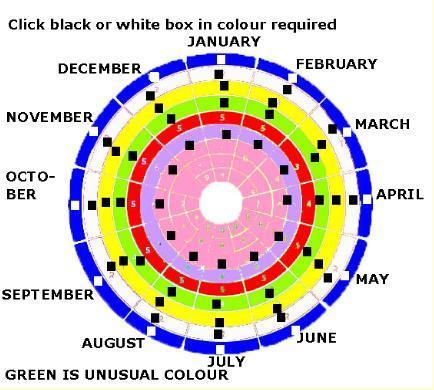
HERBACEOUS PERENNIAL Gallery with 7 Flower Colours (Red, Pink and Purple on same page) per Month in Colour Wheel. Click on Black or White box in Colour of Month. |
HERBACEOUS PERENNIAL INDEX -
The variety of plants that can be used in alpine gardening is obviously very large and very bewildering at first approach. With a view to easing the task of selection here are lists The standard potting and seed-soil recipes from The Propagation of Alpines by Lawrence D. Hills are at the bottom of the page on Alpine - Sink and Trough Gardens. |
||||||||
To compare As from March 2020, this HERB-PERENN gallery also compares the Herbaceous Perennials from the MIXED BORDER DESIGN Topic. |
|||||||||
|
|
|
|
|
|
||||
with 7 Flower Colours - Blue, White, Yellow, Green for Unusual, Red, Orange and Pink per Month in Colour Wheel below. Click on Black or White box in Colour of Month. |
|||||||||
The Herbaceous Perennials in this gallery are not compared with other Herbaceous Perennials in the HERBACEOUS PERENNIAL GALLERY, but they are compared with each other in the Mixed Border Garden Design Gallery using the above 7 Flower Colours per month Wheel. FLOWER COLOUR RANGE IN 71 PARTS OF RHS WISLEY MIXED BORDER DURING After reviewing the situation in the |
|||||||||
|
|
|
|
|
|
|
|
||
|
|||||||||
|
Blue = |
Green = |
Red = |
|
|||||
|
|||||||||
|
|
Brown = |
Blue = |
Green = |
Red = |
Black = |
|||
|
|||||||||
|
Wet Soil |
Moist Soil |
Dry Soil |
||||||
Flowering Months range abbreviates month Click on centre of thumbnail to move from this page to the The Comments Row of that Plant Description |
|||||||||
|
|
|
|
|
|
|
|
||
|
|
|
|||||||
Herbaceous Perennial |
Flowering Months |
Height x Width in inches (cms) - 1 inch = 2.5 cms, 12 inches = 1 foot = 30 cms, 36 inches = 3 feet = 1 yard = 90 cms, 40 inches = 100 cms |
Flower Thumb-nail |
Herbaceous Perennial Flower Thumbnail |
Flowering Months |
Height x Width in inches (cms) - 1 inch = 2.5 cms, 12 inches = 1 foot = 30 cms, 36 inches = 3 feet = 1 yard = 90 cms, 40 inches = 100 cms |
Flower Thumb-nail |
||
Alpine Herbaceous Perennial if Text Background is Blue |
Alpine Herbaceous Perennial if Text Background is Blue |
||||||||
Evergreen or Semi-Evergreen Perennial |
|||||||||
A |
A |
||||||||
May, June, |
48-60 x 24 |
|
96 x 40 |
|
|||||
June, July, August, |
36 x 24 |
|
48 x 24 |
|
|||||
June, July, |
48 x 18 |
|
40-60 x 20-40 (100-150 x 50-100) |
|
|||||
June, July, |
36 x 18 |
|
June, July, |
60 x 40 |
Creamy-White. |
||||
June, July, |
48 x 24 |
|
32-39 x 24 (80-100 x 60) |
|
|||||
May, June, |
36 x 24 |
|
July, August, September |
64 x 16 |
Violet-Blue. |
||||
June, July, |
20 x 15 |
|
August, September |
96 x 40 |
Dark Blue. |
||||
June, July, August, |
28 x 18 |
|
July, August |
40-60 x 4-20 (100-150 x 10-50) |
Violet-Blue. |
||||
June, July, August, |
36 x 16 |
|
24-48 x 18-24 |
|
|||||
June, July, August, |
36-42 x 12 |
|
48 x 36 |
|
|||||
June, July, |
16-48 x 12 |
|
70 x 40 |
|
|||||
July, August, |
42 x 36 |
|
August, September, October |
80 x 24 |
Creamy-White. |
||||
July, August |
40 x 80 |
|
60 x 24 |
|
|||||
December, January, |
18 x 30 |
|
40 x 20 |
|
|||||
July, August, |
30 x 18 |
|
60 x 24 |
|
|||||
June, July |
20 x 18 |
|
18 x 12 |
|
|||||
July, August, |
24 x 24 |
|
July, August |
36 x 20 |
White. |
||||
July, August, |
30 x 24 |
|
32 x 24 |
|
|||||
June, July |
72-96 x 24 |
|
36 x 16 |
|
|||||
June, July |
72-96 x 24 |
|
40 x 16 |
|
|||||
June, July |
72-96 x 24 |
|
July, August, September, October |
48 x 24 |
White. |
||||
June, July |
72-96 x 24 |
|
24 x 16 |
|
|||||
June, July |
72-96 x 24 |
|
20-40 x 4-20 |
|
|||||
June, July |
72 x 24 |
|
28 x 24 |
|
|||||
June, July, |
4 x 20 |
|
July, August, September |
72 x 60 |
Pinkish-Lavender |
||||
June, July, |
16 x 12 |
|
60-100 x 40-60 |
|
|||||
July |
24 x 230 |
|
20-40 x 20-40 |
|
|||||
June, July, |
36 x 24 |
|
August, September, October |
24-40 x 24-40 |
Pale Pink. |
||||
August, September, |
36 x 24 |
|
40-60 x 20-40 |
|
|||||
Pink - July, August or |
24 x 16 |
|
60 x 24 |
|
|||||
July, August |
36 x 18 |
|
July, August, September |
60 x 24 |
Cream. |
||||
July, August |
25 x 16 |
|
August, September |
24 x 24 |
Yellowish-Brown. |
||||
May, June |
16 x 18 |
|
July, August, September |
60 x 18-24 |
Pink. |
||||
May, June |
30 x 12 |
|
September, October |
12-36 x 12-36 |
White. |
||||
June, July, August, September, October |
36 x 12 |
|
July, August, September, October |
4-20 x 4-20 |
Red and White. |
||||
July, August, |
28 x 16 |
|
September, October |
52 x 24 |
Mauve-Pink. |
||||
August, September, |
12 x 12 |
|
September, October |
60 x 16-24 |
Lilac-Blue. |
||||
July |
30 x 18 |
|
August, September |
12-18 x 8-12 |
Purple-Pink. |
||||
August, September |
8-12 x 10 |
|
45 x 78 |
|
|||||
June |
20-24 x 12 |
|
September, October |
48 x 36 |
Purple-Red. |
||||
July |
24 x 18 |
|
August, September, October, November |
48-60 x 24 |
Pale Violet. |
||||
July, August |
39 x 24 |
|
24 x 16 |
|
|||||
August, September |
48 x 24 |
|
B |
||||||
June, July |
18-24 x 18 (45-60 x 45) |
|
40-60 x 20-40 |
|
|||||
July, August |
24 x 18 |
|
C |
||||||
July, August |
8-18 x 12 |
|
60 x 24 |
|
|||||
June, July |
24 x 18 |
|
48 x 20 |
|
|||||
B |
24-36 x 18-30 |
|
|||||||
April, May |
12-18 x 24 |
|
24 x 12 |
|
|||||
April, May |
12-18 x 18 (30-45 x 45) |
|
June, July |
60-100 x 40-60 |
White. |
||||
June, July, August, |
24 x 18 |
|
20-40 x 4-20 |
|
|||||
C |
24 x 24 |
|
|||||||
April |
9 x 12 |
|
August, September, October |
35 x 23 |
Opening Orange fades to Pink. |
||||
June, July, |
2 x 12 |
|
36 x 18 |
|
|||||
June, July, |
36-48 x 24 |
|
June, July, August, September |
60 x 48 |
Purple. |
||||
June, July, |
24 x 24 |
|
D |
||||||
July, August, September, |
36 x 24 |
|
May, June, July, August |
80 x 40 |
Creamy-Yellow-Green. |
||||
D |
E |
||||||||
July, August, September |
60 x 18 |
|
18-24 x 14 |
|
|||||
|
Links to the other 22 Diascia Pages are in Alpine / Herbaceous Perennial Index D Page |
June, July, August, |
6 x 20 |
|
40 x 18 |
|
||||
May, June |
18 x 30 |
|
28 x 16 |
|
|||||
May, June |
24-36 x 20 |
|
39 x 39 |
|
|||||
E |
July, August |
18-48 x 24 |
Bright Blue. |
||||||
July, August, September |
30-48 x 18 (75-120 x 45) |
|
40-60 x 20-40 |
|
|||||
F |
12-60 x 24 |
|
|||||||
June |
6 x 6 |
White |
88 x 40 |
|
|||||
G |
Eupatorium maculatum (Atropur-pureum Group) 'Riesen-schirm' |
July, August, September |
80 x 80 |
Pink-Purple. |
|||||
August, September |
24 x 18 |
|
August, September, October |
60-100 x 20-40 |
Purplish-Pink. |
||||
June, July |
32 x 18 |
|
24 x 20 |
|
|||||
June, July |
12 x 12 |
|
F |
||||||
July, August, |
4 x 12 |
|
60-100 x 20-40 |
|
|||||
July, August |
60 x 72 |
|
July, August |
72 x 18 |
Sulphur-Yellow. |
||||
H |
60 x 20 |
|
|||||||
September, October, |
60 x 18 |
|
G |
||||||
August |
48 x 30 |
|
48 x 36 |
White. |
|||||
August |
20 x 36 |
Deep Violet |
48 x 32 |
|
|||||
July |
36 x 48 |
|
36 x 36 |
|
|||||
K |
Geranium 'Rozanne' |
24 x 16 |
|
||||||
September, October |
24 x 18 |
|
24 x 18 |
|
|||||
July, August |
36 x 24 |
|
24 x 20 |
|
|||||
September, October |
30 x 18 |
|
H |
||||||
L |
July, August, September |
72 x 24 |
Yellow. |
||||||
May, June, |
24 x 12 |
|
June, July, August |
36 x 24 |
Brick Orange Red. |
||||
April, May, |
12 x 18 |
|
38-51 x 16 |
|
|||||
August, September, |
48 x 36 |
|
20-40 x 4-20 |
|
|||||
June, July, |
3 x 6 |
|
72 x 24 |
|
|||||
June, July |
12 x 12 |
|
20-40 x 4-20 |
|
|||||
June, July, August, |
36 x 12 |
|
September, October |
96-120 x 12-36 |
Yellow rays and dark Brown disc. If it flowered in Sep-Oct, I missed taking their photos |
||||
April, May, |
48 x 24 |
|
80 x 48 |
|
|||||
May, June |
12 x 18 |
|
80 x 18 |
|
|||||
July, August |
36 x 24 |
|
23 x 30 |
|
|||||
M |
20 x 40 |
|
|||||||
May, June, |
12 x 36 |
Yellow with |
30 x 24 |
|
|||||
May, June, |
12 x 24 |
|
32 x 40 |
|
|||||
P |
18 x 12 |
Cream. |
|||||||
June, July |
36 x 36 |
|
26 x 20 |
Pale Pink. |
|||||
May, June |
36 x 36 |
|
I |
||||||
June, July |
30 x 30 |
|
72 x 36 |
|
|||||
May, June |
16 x 16 |
|
72 x 60 |
|
|||||
Paeonia |
|
|
23 x 18 |
|
|||||
May, June |
6 x 4 |
Pinkish-blue |
J, K |
||||||
May, June |
... |
Yellow, Purple, Red, Pink |
32 x 24 |
|
|||||
May, June |
6 x 5 |
Pink |
40 x 20 |
|
|||||
May, June |
6 x 3.5 |
Purple |
August, September |
120 x 48 |
Orange-red fades to yellow. |
||||
May, June |
6 x 3 |
Red |
June, July, August, September |
48 x 32 |
Lemon-Yellow. |
||||
May, June |
6 x 5 |
White |
July, August, September |
40 x 30 |
Light Scarlet fades to Yellow. |
||||
May, June |
6 x 3 |
Yellow |
June, July, August |
36 x 24 |
Orange top with Ivory-White bottom. |
||||
|
|
|
|
L |
|||||
June, July, |
12 x 6 |
|
August, September, October, November |
60 x 40 |
White. |
||||
May, June, |
36 x 24 |
|
36 x 36 |
|
|||||
May |
4-8 x 8 |
|
48 x 48 |
|
|||||
S |
30 x 18 |
|
|||||||
September |
18 x 18 |
|
Lychnis coronaria 'Gardener's World' |
24 x 10-12 |
|
||||
D |
40 x 24 |
|
|||||||
May |
24-48 x 48 |
|
60 x 20 |
|
|||||
|
|
|
|
36 x 18 |
|
||||
|
|
|
|
M |
|||||
|
|
|
|
100 x 60 |
|
||||
|
|
|
|
June, July |
88 x 40 |
|
|||
|
|
|
|
June, July |
80 x 48 |
|
|||
|
|
|
|
June, July, August |
55 x 55 |
|
|||
|
|
|
|
June, July, August, September |
24 x 18 |
White. |
|||
|
|
|
|
July, August, September |
60 x 20 |
|
|||
|
|
|
|
June, July, August |
36 x 15 |
|
|||
|
|
|
|
N |
|||||
|
|
|
|
June, July, August, September |
36 x 24 |
|
|||
|
|
|
|
June, July, August |
48 x 36 |
Lilac-Pink. |
|||
|
|
|
|
June, July, August, September |
24 x 20 |
|
|||
|
|
|
|
O |
|||||
|
|
|
|
June, July, August, September |
18 x 24 |
|
|||
|
|
|
|
July, August, September, October |
18 x 18 |
|
|||
|
|
|
|
P |
|||||
|
|
|
|
July, August, September |
70 x 24 |
|
|||
|
|
|
|
July, August, September |
70 x 24 |
|
|||
|
|
|
|
June, July, August, September |
40 x 30 |
|
|||
|
|
|
|
July, August, September, October |
48 x 48 |
Bright Red. |
|||
|
|
|
|
July, August, September, October, November |
18 x 18 |
|
|||
|
|
|
|
June, July, August, September |
50 x 60 |
|
|||
|
|
|
|
Persicaria amplex-icaulis taurus |
July, August, September, October |
40 x 28 |
|
||
|
|
|
|
July, August, September |
20 x 40 |
White. |
|||
|
|
|
|
June, July, August |
80 x 40 |
Pale Yellow. |
|||
|
|
|
|
May, June, July, August, September |
36 x 30 |
|
|||
|
|
|
|
July, August |
40 x 24 |
|
|||
|
|
|
|
July, August, September |
30 x 20 |
|
|||
|
|
|
|
July, August, September |
30 x 30 |
|
|||
|
|
|
|
July, August, September |
36 x 24 |
Lilac. |
|||
|
|
|
|
July, August, September |
18 x 14 |
|
|||
|
|
|
|
July, August, September |
24 x 16 |
White. |
|||
|
|
|
|
July, August, September |
40 x 20 |
|
|||
|
|
|
|
Dear Mr C H Garnons-Williams, Tony Dickerson Horticultural Advisor Above email sent by the RHS on 13 September 2013 - plant label in Mixed Border bed still not changed by 23 November 2013. |
|||||
|
|
|
|
July, August, September |
30 x 16 |
|
|||
|
|
|
|
July, August, September |
30 x 30 |
|
|||
|
|
|
|
July, August, September |
40 x 32 |
|
|||
|
|
|
|
July, August, September, October |
36 x 24 |
Red. |
|||
|
|
|
|
July, August, September |
24 x 24 |
Blue-Purple. |
|||
|
|
|
|
July, August, September |
36 x 12 |
|
|||
|
|
|
|
June, July, August, September |
24 x 18 |
|
|||
|
|
|
|
June, July, August |
16 x 12 |
|
|||
|
|
|
|
June, July, August |
16 x 12 |
|
|||
|
|
|
|
Q, R |
|||||
|
|
|
|
August, September, October |
24 x 18 |
|
|||
|
|
|
|
June, July, August, September |
80 x 36 |
Yellow. |
|||
|
|
|
|
S |
|||||
|
|
|
|
June, July, August |
30 x 24 |
|
|||
|
|
|
|
May, June, July, August, September |
18 x 18 |
|
|||
|
|
|
|
July, August, September, October |
24 x 20 |
|
|||
|
|
|
|
September, October |
20 x 16 |
|
|||
|
|
|
|
August, September |
40 x 20 |
|
|||
|
|
|
|
August, September, October |
12 x 12 |
|
|||
|
|
|
|
August, September, October, November |
18 x 18 |
|
|||
|
|
|
|
August, September |
18 x 18 |
|
|||
|
|
|
|
September, October, November |
24 x 18 |
|
|||
|
|
|
|
June, July, August |
32 x 24 |
|
|||
|
|
|
|
August, September, October |
60 x 32 |
Yellow. |
|||
|
|
|
|
June, July, August, September |
18 x 24 |
|
|||
|
|
|
|
June, July, August, September |
20 x 28 |
|
|||
|
|
|
|
August, September, October |
48 x 24 |
Violet-Blue. |
|||
|
|
|
|
June, July, August, September |
32 x 18 |
|
|||
|
|
|
|
T |
|||||
|
|
|
|
June, July, August |
94 x 23 |
Lavender. |
|||
|
|
|
|
June, July, August |
59 x 23 |
Purple-Pink. |
|||
|
|
|
|
June, July |
48 x 48 |
Sulphur-Yellow. |
|||
|
|
|
|
June, July, August |
72 x 36 |
Purple-Pink or Lavender. |
|||
|
|
|
|
U, V |
|||||
|
|
|
|
August, September, October |
60 x 18 |
|
|||
|
|
|
|
June, July, August, September, October |
24 x 16 |
Purple or Magenta. |
|||
|
|
|
|
June, July, August, September |
36 x 24 |
Pale Purple/ Lavend-erish Lilac. |
|||
|
|
|
|
June, July, August, September |
60 x 24 |
|
|||
|
|
|
|
July, August, September |
60 x 36 |
Pink Lavender/ Lilac. |
|||
|
|
|
|
July, August |
40 x 20 |
|
|||
|
|
|
|
July, August, September |
60 x 18 |
|
|||
|
|
|
|
June, July |
42 x 20 |
Lilac/ Pale Blue. |
|||
|
|
|
|
July, August, September |
60 x 26 |
|
|||
|
|
|
|
W, XYZ |
|||||
|
|
|
|
May, June, July |
18 x 14 |
|
|||
|
Site design and content of this table copyright ©July 2009. Page structure amended December 2012. Colour Wheel clarified January 2013. Feet changed to inches (cms) July 2015. Herbaceous Perennial Menu Table changed and Index Pages added June 2017. Site design and content for Mixed Border Herbaceous Gallery copyright ©March 2013. Chris Garnons-Williams. DISCLAIMER: Links to external sites are provided as a courtesy to visitors. Ivydene Horticultural Services are not responsible for the content and/or quality of external web sites linked from this site. |
||||||||


.jpg?uselang=en-gb)
Copied from Botanical Index Gallery Pages |
Appended to Botanical Name is |
Number of Botanical Plants in each Page or Gallery / comparison pages section |
||
A, B, C, D, E, Links to 1000's of Indexed Plants in the galleries below are in addition to the ones above:- Bee pollinated plants per flower colour per month in Bee-Pollinated Alpines, Aquatic, Annual, Beddi-ng, Biennial and Bulb with Climber of 3 sector system are in
Botanical Wildflowers in |
Plant Type:- Gr = Grass |
Flower Colour:- followed by Annual, Bulb, Climber, |
Inv = Invasive; so pot the plant instead |
A, 391 Galleries/Comparison Pages:- Total 5851 plus plants in the above Galleries / Comparison pages section |
How comparison thumbnails with their text boxes will be changed to from
Flower Colour and Foliage Colour if not green Violet-blue, ACIDIC SAND, LOAM. Above contents of this text box require amend-ing Soil. |
||||